Adding a Sauna or Steam Room to Your UK Gym: Costs, Planning, and Revenue Potential
Click Below To Share & Ask AI to Summarize This Article
Saunas and steam rooms are no longer reserved for luxury health clubs and five-star hotels. UK gym members increasingly expect recovery facilities alongside their training equipment, and gym owners who add these amenities are seeing measurable gains in retention, referrals, and revenue per member. This guide covers what it takes to add a sauna, steam room, or cold-water plunge to your UK gym — from planning and costs to pricing and marketing., the Building Standards (Scotland), or Building Control (Northern Ireland). If you are converting an existing room, the key considerations are ventilation, drainage, and electrical capacity.
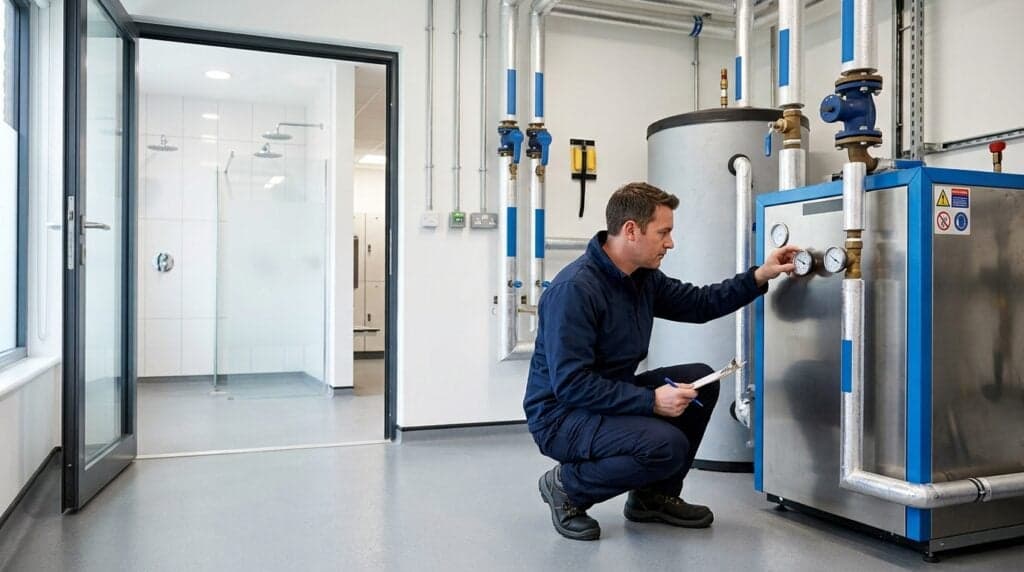
Ventilation. Both saunas and steam rooms generate significant moisture. Without adequate ventilation, condensation damages surrounding structures and creates mould risk. Mechanical ventilation with humidity extraction is essential. Your installer should specify the required air changes per hour for your unit size.
Electrical. Saunas and steam rooms draw substantial power. A typical commercial sauna requires a dedicated circuit. Have a qualified electrician assess your existing supply before committing to an installation — upgrading your fuse board or supply connection adds cost that is rarely included in base installation quotes.
Health and safety. While no specific licence is needed, you must conduct a risk assessment covering temperature limits, maximum occupancy, signage, emergency procedures, and accessibility. Document this assessment and keep it on file.
Installation Costs for UK Gyms
Costs vary significantly depending on the type of unit, quality of finish, and whether you are converting an existing room or building from scratch.
Barrel sauna (outdoor or semi-outdoor): £3,000 to £8,000 for a mid-size unit seating four to eight people. These are the most affordable option and work well for gyms with outdoor space. Installation is quicker — typically two to five days — and structural modifications to your building are minimal.
Built-in sauna room (indoor): £8,000 to £25,000. This covers a dedicated room with proper insulation, vapour barriers, bench seating, heater, and controls. The upper end of this range includes premium finishes such as cedar panelling, LED lighting, and larger capacity. Construction typically takes two to four weeks.
Steam room: £5,000 to £20,000. Steam rooms require a fully waterproofed enclosure, a steam generator, and drainage. The ongoing maintenance cost is slightly higher than a sauna because the humid environment is more demanding on seals, tiles, and surfaces.
Commercial ice bath or plunge pool: £2,000 to £15,000. Cold-water immersion has surged in popularity. Entry-level outdoor cold plunges start around £2,000, while commercial-grade indoor units with temperature control and filtration systems sit at the higher end.
Fit-out extras to budget for. Whatever unit you choose, factor in these additional costs: electrical upgrades (£500 to £3,000), drainage modifications (£500 to £2,000), ventilation installation (£800 to £3,000), flooring and access improvements, and any structural changes to accommodate the unit. These costs are frequently underestimated.
Ongoing Running Costs
Recovery facilities are not a one-off investment. Monthly running costs include electricity for heating elements (expect £100 to £300 per month depending on usage and unit size), water for steam rooms and ice baths, cleaning supplies and more frequent deep cleaning cycles, periodic replacement of heater elements and seals, and maintenance contracts if applicable.
Budget roughly £150 to £400 per month in total running costs for a single unit with moderate daily usage. High-traffic facilities may see costs at the upper end of this range.
Pricing Your Recovery Facilities
There are three common pricing models for recovery amenities in UK gyms.
Included in membership. This is the simplest approach and the most attractive to members. Recovery access is bundled into standard or premium memberships. The cost is absorbed as part of your overhead and justified by improved retention and member satisfaction. This works best when the recovery facility serves as a retention tool rather than a direct revenue stream.
Pay-per-use add-on. Charge individual sessions at £5 to £15 depending on the facility and your market. This generates direct revenue but creates a barrier for members who have not budgeted for additional costs. A tiered approach works well: £5 for sauna access, £8 for steam room, £10 for contrast therapy (sauna plus cold plunge).
Wellness bolt-on tier. Create a premium membership tier that includes unlimited recovery access, priority class booking, or other wellness perks. Price this at £15 to £30 above your standard monthly rate. This model captures the retention benefit while generating incremental revenue. Members who upgrade feel they are getting a distinct service, not just paying more for the same gym.
Insurance Considerations
Adding a sauna, steam room, or ice bath changes your risk profile. Contact your public liability insurer before installation and inform them of the new facilities. Most policies can be updated with an amendment, but failing to declare new amenities can void your cover.
Key points to raise with your insurer: the type of unit and maximum temperature, occupancy limits and supervision arrangements, your risk assessment documentation, and any specific maintenance or safety protocols. Expect a modest premium increase — typically 10% to 20% on the relevant portion of your cover.
Marketing Your New Recovery Facilities
Recovery amenities give you a marketing angle that most local competitors lack.
Launch event. Host an open day or members-only preview when the facility opens. Offer free trial sessions and ask members to share their experience on social media.
Recovery-focused classes. Structure guided sessions around contrast therapy, mindfulness in the sauna, or post-workout recovery routines. These create bookable sessions that drive footfall and give trainers additional programming options.
Recovery memberships. Target non-gym members who want access to recovery facilities without a full gym membership. A £30 to £50 monthly recovery-only membership captures a segment that would otherwise never set foot in your gym.
Content marketing. Document the installation process on social media. Before-and-after content, behind-the-scenes footage of the build, and member testimonials all generate engagement and position your gym as a forward-thinking facility.
Case Studies: UK Gyms Leading on Recovery
Several independent UK gyms have successfully integrated recovery facilities. Chains like PureGym now offer saunas and steam rooms in select locations, raising member expectations across the market. Independent operators in cities like Bristol, Manchester, and Edinburgh have added cold-water plunge pools alongside outdoor training areas, creating unique selling propositions that attract local media coverage and word-of-mouth referrals. These facilities consistently report higher member retention rates and increased premium-tier uptake compared to their standard locations without recovery amenities.
Getting Started
Adding a sauna, steam room, or ice bath is a significant investment, but the returns extend beyond direct revenue. Recovery facilities attract new members, retain existing ones, and position your gym as a premium facility in your local market.
Before committing, research suppliers, get multiple quotes, and talk to other gym owners who have made the addition. The right unit, properly installed and priced, can pay for itself within eighteen to twenty-four months through improved retention and additional revenue streams.
Getting more members through your door starts with being visible. Claim your free GymPal listing and make sure your gym’s facilities — including any recovery amenities — are listed for local fitness seekers to find. Over 10,000 UK fitness businesses are already on GymPal.
Already listed? Complete your GymPal profile with photos of your new recovery facilities, updated amenities, and member reviews. Detailed profiles generate more enquiries than incomplete ones.
Planning your facility upgrade? Browse gyms in your area on GymPal to see how competitors position their facilities — and identify the gap your sauna or steam room will fill.

I am Adam Hall, a dedicated fitness professional with over ten years of experience in the UK’s fitness industry. I earned my Master’s degree in Sports Science from Loughborough University and have worked with several top fitness studios across the UK. My certifications include a Level 3 Personal Trainer Certificate and a specialised Strength and Conditioning Coach accreditation.
Starting my career as a personal trainer, I quickly moved up to manage multiple gym locations, overseeing their operations and training programs. Beyond managing gyms, I regularly contribute to well-known fitness magazines and have been featured in articles for “Health & Fitness” and “Men’s Health”. My passion also extends online where I run a popular blog on GymPal’s AI-powered directory platform detailing insights into choosing the right fitness venues across the UK. With hundreds of posts reaching thousands of readers monthly, my goal is to influence positive changes in how people approach health and exercise throughout the country.