Community Power: How UK Gyms Are Building More Than Just Muscles (Find Your Tribe With GymPal)
Click Below To Share & Ask AI to Summarize This Article
Feeling alone in your fitness journey? It’s understandable – working out can sometimes feel a bit isolating. But regular exercise doesn’t just improve your physical health; it also gives your mental well-being a real boost by helping to ease anxiety and lift low moods.. This expands both your friend circle and theirs too.
The Role of Accountability in Fitness Success

Having gym buddies keeps you on track. Team effort makes workouts feel less like a chore and more like a shared goal.
How does group motivation improve workout consistency?
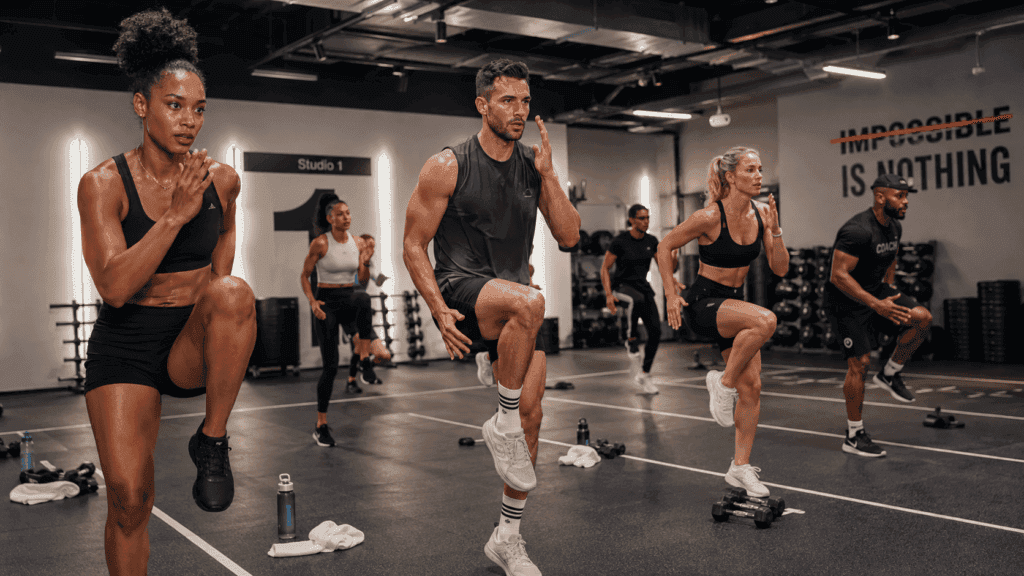
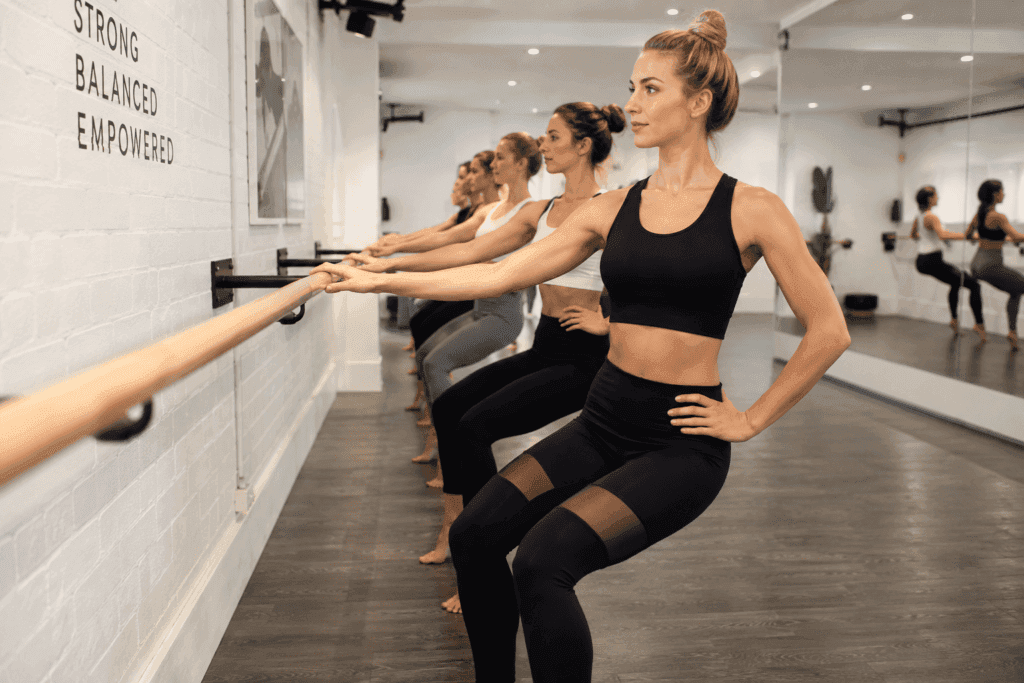
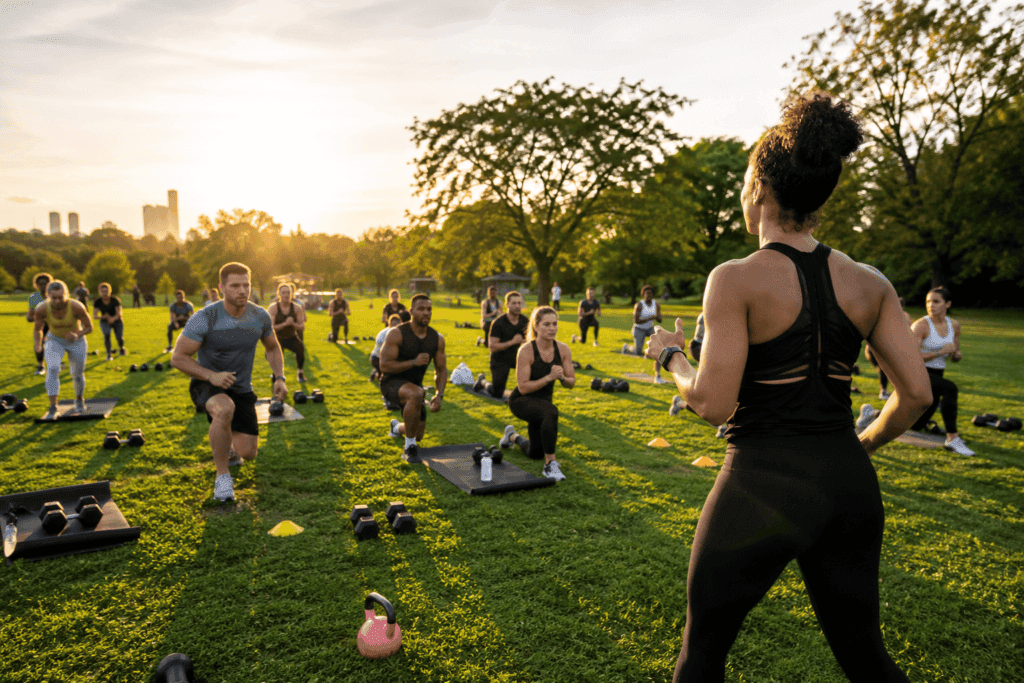
Working out with others makes sticking to a routine much easier. I’ve seen how group fitness classes boost consistency through shared energy and support. The excitement of team challenges or small competitions keeps the sessions lively.
It feels rewarding to know peers are counting on me to show up.
Together, we push further than we ever would alone.
Friendly rivalry motivates steady attendance, while automated reminders keep everyone on track. Celebrating milestones as a group creates pride and builds habits that last longer. Gym communities aren’t just about muscles—they create accountability that sticks like glue!
How can teams effectively track and celebrate progress together?
It feels great to see progress, especially as a team. Tracking and celebrating together keeps motivation high and builds strong bonds.
- I use fitness business software to track attendance and workouts for my group. It helps me see how consistently we are showing up.
- Leaderboards in the gym make it fun to compare progress. They show who hit milestones or smashed goals.
- Automated reports are excellent for updates. Weekly notifications on our group’s achievements boost motivation.
- Sharing success stories online is exciting too. Posting about our wins on social media makes everyone feel proud and recognised.
- Milestone events bring energy to our efforts! Celebrating with a party or special class creates lasting memories.
- Discounts and rewards keep us motivated as well! Small perks like free sessions push us to aim higher together.
- Progress boards at the gym give real-time updates on goals reached by the whole team, making every step visible.
- Smaller workout groups allow closer tracking of shared goals like weight loss or strength gains; it feels more personal.
Every little win builds into something bigger over time!
Creating Inclusive and Diverse Gym Environments

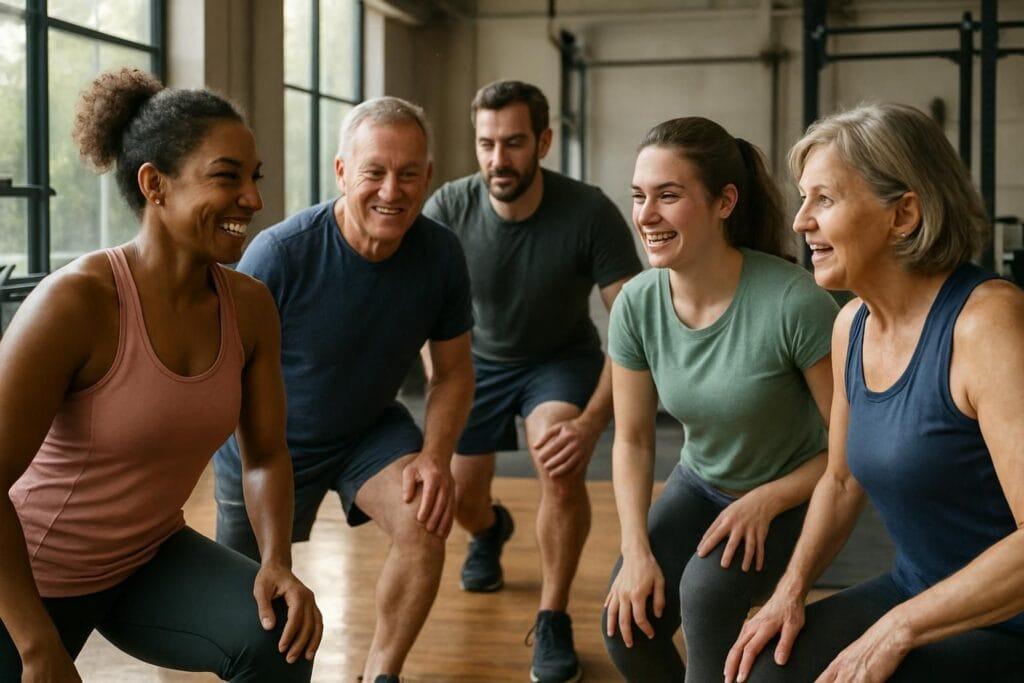
Gyms should be places where everyone feels welcome, no matter their background or fitness level. By fostering an open atmosphere, gyms can bring people together and create true connections.
How do gyms create welcoming spaces for everyone?
Many gyms now offer gender-neutral changing rooms. I see this as a significant step in making everyone feel safe and included. Classes such as senior circuit training, pregnancy yoga, or sessions for chronic fatigue demonstrate how fitness spaces are catering to diverse needs.
These options encourage people of all ages and abilities to get involved.
Access for disabled individuals is improving too. Spaces with wheelchair-friendly equipment make workouts accessible to more people. Campaigns like *This Girl Can* also encourage women and underrepresented groups to participate.
Schools frequently collaborate with gyms, providing kids with access to pools or tracks they might not have otherwise. This fosters a sense of belonging across generations.
“A friendly space makes workouts less about muscles and more about feeling part of something bigger.”
What are effective ways to encourage collaboration across different fitness levels?
Working out with people at different fitness levels may seem tricky, but it can actually be fun and rewarding. I enjoy seeing how gyms make it possible for everyone to work together.
- Pairing newcomers with experienced members through referral or buddy systems helps ease beginners in. This creates guidance and builds trust early on.
- Group fitness classes are structured to fit all abilities, so no one feels left behind. Everyone gets a chance to push themselves at their own pace.
- Mixed-level team challenges encourage collaboration while keeping things friendly. These contests often spark mentorship naturally among participants.
- Personal trainers design workouts that suit each person’s needs but still allow group interaction. This sets everyone up for success without pressure.
- Inclusive gym spaces welcome everyone, regardless of skill level or body type. Welcoming staff and encouraging environments motivate participation.
- Social events bring people together beyond workouts, building deeper community ties and promoting teamwork across fitness stages.
- Online platforms let members share tips, track progress, and exchange advice freely between sessions.
Celebrating Group Achievements and Social Connections

Shared wins make workouts sweeter. Group cheers and achievements turn strangers into mates.
What are popular group challenges and milestone celebrations?
Group challenges and celebrations make gyms exciting. They build friendships, keep workouts fun, and strengthen motivation.
- Charity fitness events bring people together for a good cause. My gym once held a 24-hour bike marathon to raise funds for diabetes care. It inspired teamwork and community spirit.
- Step challenges encourage everyone to stay active daily. I’ve seen members push themselves harder just to climb up the leaderboard.
- Weightlifting contests often spark friendly competition. These contests welcome people of all levels by focusing on personal bests, not just heavyweights.
- Seasonal group activities like Halloween-theme classes or Christmas fitness parties are always enjoyable. Dressing up while working out never gets old!
- Team fitness goals unite us toward milestones, such as burning a set amount of calories or completing 100 workouts as a group.
- Public recognition boards display team progress and successes at most gyms in the UK now, which motivates everyone to do their best.
- Special perks like discounted memberships or free classes reward groups that hit big targets together.
- Social media shout-outs give an extra boost of pride by celebrating achievements online within fitness social groups.
- Milestone celebrations leave lasting memories, like marking my group’s 100th class with cake (yes, after our workout!).
- Themed workout marathons offer both fun and challenge—think disco spinning or superhero boot camps that get everyone involved.
Social bonds grow stronger through these shared wins and efforts! Next comes creating inclusive spaces where everyone feels welcomed at every fitness level…
How do social events and fitness competitions strengthen community bonds?
I’ve seen social events like fitness competitions bring people closer. Friendly rivalries spark motivation, lifting everyone’s spirits. I watch participants cheer each other on, creating positive energy and trust.
These moments build real friendships that go beyond the gym walls.
Celebrating group wins with awards or small gatherings boosts pride and unity. It feels amazing to see members connect during these events, sharing laughs and stories. Social activities also help new faces feel welcome while keeping loyal members engaged for longer periods.
Conclusion
Finding your tribe at the gym can change everything, can’t it? It’s more than sweating or lifting weights. A strong community builds friendships and boosts mental well-being. With GymPal, connecting has never been easier.
Let’s build strength and happiness together!
FAQs
1. What is the role of gym communities in UK fitness?
Gym communities in the UK provide more than just physical activity. They foster connections, improve mental health, and create a sense of belonging for members.
2. How do group fitness classes support public health?
Group fitness classes help combat obesity and depression by promoting regular exercise. They also empower individuals to stay active while connecting with others.
3. Can gyms assist with rehabilitation or illness recovery?
Yes, many UK gyms offer physiotherapy services and strength and conditioning programmes that aid rehabilitation from injuries or illnesses under guidance from healthcare professionals.
4. How can social prescribing be applied in gyms?
Gyms work alongside healthcare professionals to use social prescribing as part of treatment plans for conditions like depression or chronic disease, encouraging patients to join activities that benefit their well-being.
5. Why are influencers important for gym brands today?
Influencers boost a gym’s reputation by showcasing its innovation through live streams or online content, attracting new audiences who value customer experience.

I am Adam Hall, a dedicated fitness professional with over ten years of experience in the UK’s fitness industry. I earned my Master’s degree in Sports Science from Loughborough University and have worked with several top fitness studios across the UK. My certifications include a Level 3 Personal Trainer Certificate and a specialised Strength and Conditioning Coach accreditation.
Starting my career as a personal trainer, I quickly moved up to manage multiple gym locations, overseeing their operations and training programs. Beyond managing gyms, I regularly contribute to well-known fitness magazines and have been featured in articles for “Health & Fitness” and “Men’s Health”. My passion also extends online where I run a popular blog on GymPal’s AI-powered directory platform detailing insights into choosing the right fitness venues across the UK. With hundreds of posts reaching thousands of readers monthly, my goal is to influence positive changes in how people approach health and exercise throughout the country.