How to Build a Strong Brand for Your UK Independent Gym (And Stand Out from the Chains)
Click Below To Share & Ask AI to Summarize This Article
The UK fitness market is crowded. Between PureGym, Anytime Fitness, JD Gyms, and David Lloyd, independent gyms are competing for attention against chains with national marketing budgets, polished websites, and instant name recognition. (see ukactive State of the UK Fitness Industry report) (see Sport England Active Lives survey)
But branding is where independent gyms have a genuine advantage. A strong brand builds trust, attracts the right members, and gives people a reason to choose your gym over a cheaper option down the road.
This guide covers what a gym brand actually is, how to build one from scratch, and how to apply it across everything you do — without spending thousands on a design agency.
Why Branding Matters More for Independent Gyms Than Chains
Chains rely on scale. Their brand is consistency: the same equipment, the same classes, the same experience whether you are in Bristol or Belfast. That works for a certain type of member.
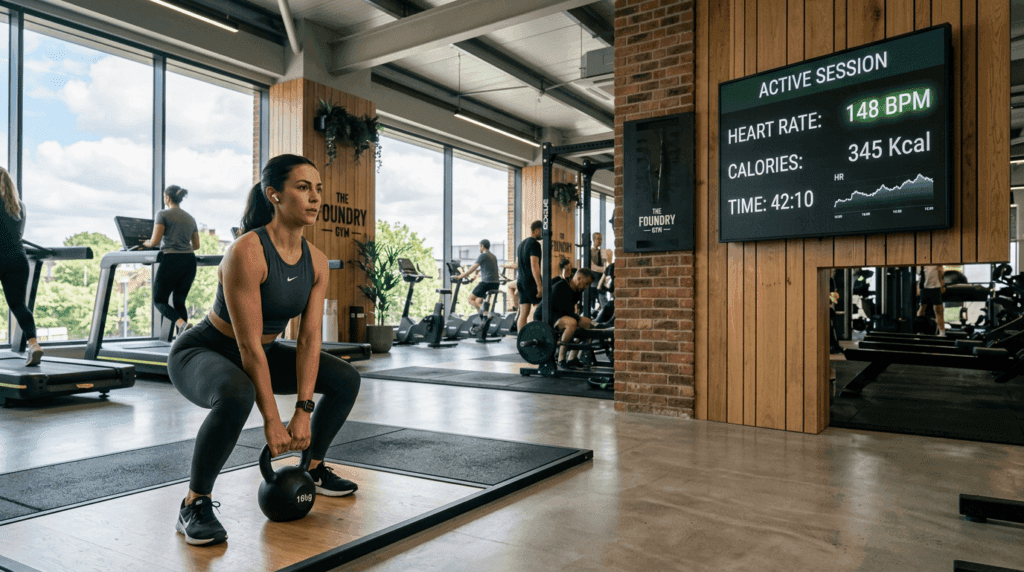
Independent gyms can offer something chains struggle with: personality. Your brand can reflect the community you serve, the training philosophy you believe in, and the atmosphere that makes your gym feel different. Members do not just join a gym — they join a community they feel part of.
A strong brand also builds word of mouth, which remains the most effective marketing channel for independent fitness businesses in the UK. When your gym is recognisable — not just visually but in how it communicates — members become advocates without you asking them to.
The Core Elements of a Gym Brand
Your brand is more than a logo. It is the total impression people get from every interaction with your business. These are the elements worth getting right:
Your Name
If you are starting fresh, pick a name that is memorable, easy to spell, and available as a domain. Avoid generic names that could apply to any business. If you are already operating, do not rename lightly — your existing reputation has value.
Your Logo and Visual Identity
A professional logo does not need to be expensive, but it needs to be consistent. Choose two or three brand colours and stick with them across your signage, website, social media, and printed materials. Consistency is what makes a brand feel established.
Your Tone of Voice
How does your gym communicate? Are you friendly and informal? Intense and performance-focused? Community-driven and welcoming? Your tone should match the experience members actually get when they walk through the door.
Your Core Values
Write down three to five things your gym stands for. These inform every decision you make, from the classes you programme to the suppliers you work with. Examples: inclusivity, results-driven training, community first, no egos, expert coaching.
Defining Your Target Member Avatar
Effective branding starts with knowing who you are talking to. You cannot appeal to everyone — and trying to is how brands become generic.
Build a simple member avatar:
- Demographics: Age range, location, occupation, income level.
- Fitness goals: Weight loss, strength training, general fitness, sport-specific, rehabilitation.
- What they value: Community, privacy, expert coaching, flexible hours, specific equipment.
- What puts them off: Crowded gyms, intimidating atmospheres, contracts, lack of support.
The more specific you are, the easier it is to create messaging that resonates. A gym targeting shift workers in Manchester needs a different brand approach to a boutique Pilates studio in Bath.
Using Your Brand Consistently Across Every Touchpoint
Branding only works when it is consistent. Apply your visual identity and tone of voice across:
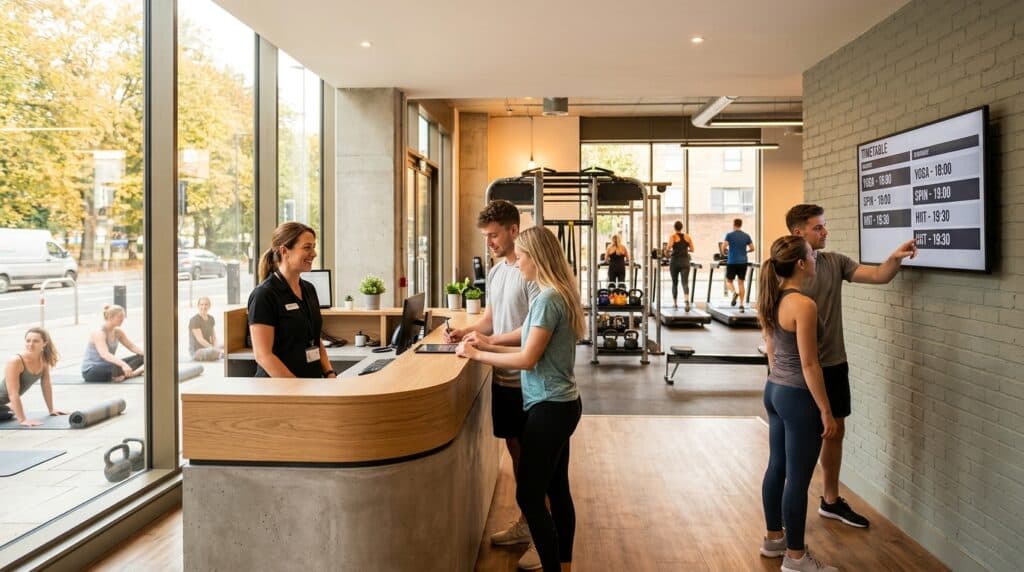
- Your gym signage and interior. Colours, fonts, and imagery on walls, windows, and reception should all align with your brand identity.
- Your website. This is often the first impression potential members get. Make sure your brand colours, tone, and values are reflected clearly.
- Social media. Your Instagram grid, Facebook posts, and TikTok content should feel cohesive. Use the same filters, fonts, and tone across platforms.
- Emails and messaging. From class reminders to membership renewal notices, every piece of communication is brand-building.
- Printed materials. Flyers, business cards, and posters should all use your brand colours and logo correctly.
A simple brand guidelines document — even one page — helps you and your team stay consistent. Include your colours (hex codes), fonts, logo usage rules, and a few tone examples.
Telling Your Founder Story
People connect with people, not businesses. Your founder story — why you opened the gym, what drove you, what you have overcome — is one of your most powerful brand assets.
Share it on your website’s about page, in your social media content, and in your welcome communications for new members. A genuine story builds trust faster than any marketing slogan.
Key elements of a strong founder story:
- What gap in the market did you see?
- What personal experience led you to open the gym?
- What makes your approach different?
- What is your vision for the future?
Keep it honest. Exaggeration is obvious, and authenticity is what makes independent gyms appealing in the first place.
Low-Cost Branding Tools for Independent Gyms
You do not need a big budget to build a professional brand. These tools are accessible to any UK gym owner:
- Canva (free tier available) — Design social posts, flyers, and presentations using your brand colours and fonts. The brand kit feature lets you save your colours and logos for consistent use.
- Looka — AI-powered logo generator. Useful for exploring logo concepts quickly. Prices start from around £20 for basic logo files.
- Remove.bg — Remove backgrounds from photos for clean social media graphics.
- Unsplash and Pexels — Free, high-quality stock photography. Better than generic gym photos for blog posts and social content.
- Mailchimp (free up to 500 contacts) — Professional email templates you can brand with your colours and logo.
When to Rebrand — and How
Rebranding is not something to do on a whim, but there are valid reasons:
- Your name no longer fits. You started as a personal training studio and are now a full gym.
- Your visual identity is inconsistent. Different logos, different colours across locations and platforms.
- Your target market has shifted. You originally served bodybuilders but now focus on group fitness.
- Your brand looks dated. Design trends change, and a refresh can signal that your gym is moving forward.
If you rebrand, plan it carefully. Update your signage, website, social media, Google Business Profile, and any directory listings. Notify existing members — a rebrand is content worth sharing, and it can generate engagement if handled well.
Getting Your Brand in Front of the Right People
Branding is invisible until people encounter it. Make sure your gym is discoverable in the places people actually search.
A claimed GymPal listing lets you showcase your gym’s brand with photos, a description, and your unique selling points — making it easier for people actively looking for a gym in your area to find you.
Claim Your Free Business Listing on GymPal →

I am Adam Hall, a dedicated fitness professional with over ten years of experience in the UK’s fitness industry. I earned my Master’s degree in Sports Science from Loughborough University and have worked with several top fitness studios across the UK. My certifications include a Level 3 Personal Trainer Certificate and a specialised Strength and Conditioning Coach accreditation.
Starting my career as a personal trainer, I quickly moved up to manage multiple gym locations, overseeing their operations and training programs. Beyond managing gyms, I regularly contribute to well-known fitness magazines and have been featured in articles for “Health & Fitness” and “Men’s Health”. My passion also extends online where I run a popular blog on GymPal’s AI-powered directory platform detailing insights into choosing the right fitness venues across the UK. With hundreds of posts reaching thousands of readers monthly, my goal is to influence positive changes in how people approach health and exercise throughout the country.