How to Choose the Right Gym for Weight Training: A Complete Guide for UK Beginners
Click Below To Share & Ask AI to Summarize This Article
Starting Your Weight Training Journey in the UK
If you’ve decided to start weight training, congratulations — you’re about to begin one of the most rewarding fitness journeys you can take. But with over 7,000 gyms across the UK, finding the right one for your goals can feel overwhelming. This guide will walk you through everything you need to consider before signing up..
Nice-to-Haves
- Specialty bars (trap bar, safety squat bar, EZ bar)
- GHD machine for posterior chain development
- Lat pulldown and seated row machines
- Leg press and hack squat
- Resistance bands and foam rollers
Gym Size vs Equipment Quality
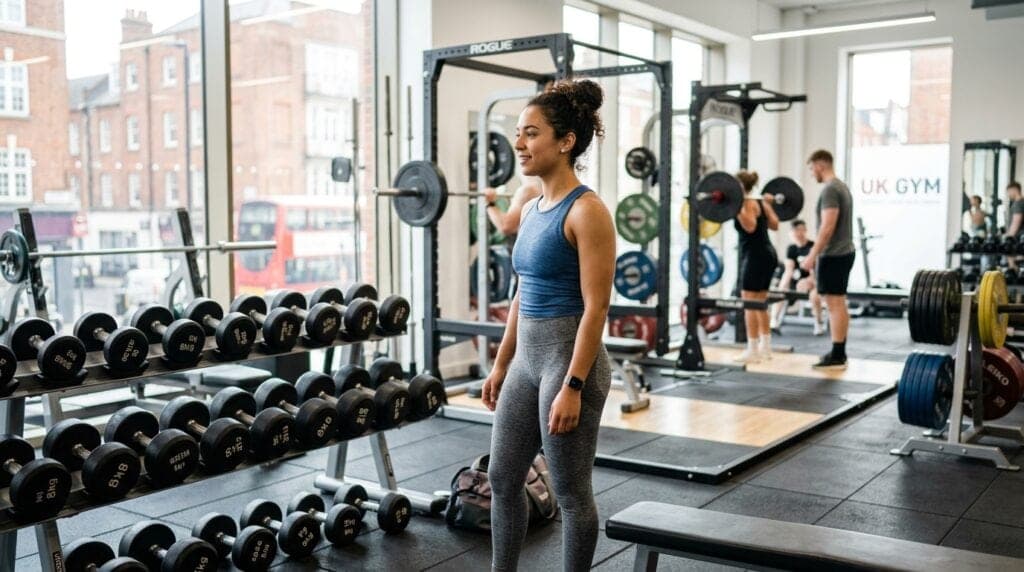
Don’t assume bigger is always better. Many large chain gyms prioritise cardio machines and have surprisingly limited free weight areas. Conversely, some smaller independent gyms pack an impressive amount of lifting equipment into a compact space. When visiting a gym, pay attention to:
- Free weight floor space — is there enough room to deadlift without being in someone’s way?
- Equipment condition — are plates chipped, bars bent, or benches wobbly?
- Wait times — visit during your planned workout time and see how busy the racks get
Gym Culture: The Intangibles That Matter
Lifting-Friendly Atmosphere
The best gyms for weight training have a culture that supports it. Look for:
- Gym staff who are knowledgeable about lifting and happy to offer guidance
- Members who re-rack their weights (a sign of a respectful lifting culture)
- Permission to use chalk, lifting belts, and other training accessories
- Reasonable rules about deadlifting and dropping weights
Women-Friendly Weight Areas
If you’re a woman starting weight training, feeling comfortable in the weights area is crucial. Many UK gyms now have dedicated women’s lifting areas or at least a balanced mix of genders in the free weight section. Look for gyms that actively promote women’s strength training through classes or community groups.
Staff Expertise: Why It Makes a Difference
Good gym staff can accelerate your progress significantly. When choosing a gym, consider:
- Do they offer free induction sessions that cover proper lifting technique?
- Are personal trainers available who specialise in strength training?
- Can staff spot you or offer form checks when needed?
- Do they run beginner-friendly strength classes?
A gym with knowledgeable staff is worth paying a premium for, especially in your first year of training.
Location and Opening Hours
Consistency is the key to progress in weight training, and convenience drives consistency. Choose a gym that:
- Is within a 15-minute commute from home or work
- Has opening hours that fit your schedule (24-hour access is ideal)
- Isn’t so crowded at your preferred training time that you can’t get on equipment
Budget Considerations for Weight Training
What You’re Actually Paying For
When comparing gym prices, focus on the equipment and facilities that matter for your goals. A £20/month budget gym with excellent free weights is better value than a £90/month premium gym with amazing pool facilities you’ll never use.
Hidden Costs to Watch
- Joining fees (some charge £50-100 upfront)
- Minimum contract terms (12-month contracts vs monthly rolling)
- Personal trainer costs if you want guidance
- Locker fees and towel hire
Questions to Ask on Your Gym Visit
Before signing anything, ask these questions:
- How many squat racks and bench stations do you have?
- What’s the heaviest dumbbell available?
- Is chalk allowed?
- Can I deadlift here?
- What’s included in the induction?
- How busy does the free weight area get at [your preferred time]?
- What’s your cancellation policy?
How GymPal Helps You Find the Right Gym
Searching for the perfect gym doesn’t have to mean visiting a dozen websites. GymPal lists over 10,000 UK gyms and fitness centres with details about facilities, locations, and member reviews — all in one place. You can search by area, filter by gym type, and compare options side by side.
Whether you’re looking for a dedicated strength training facility in Manchester, a budget-friendly gym with good free weights in Birmingham, or a women-friendly lifting space in London, GymPal makes it easy to find the right fit.
Start your search at askgympal.co.uk — it’s completely free to browse, and you might just discover the perfect gym for your weight training journey.
Key Takeaways
- Prioritise free weight equipment over flashy cardio facilities
- Visit during your planned workout time to assess crowd levels
- Look for a lifting-friendly culture with knowledgeable staff
- Choose a convenient location — consistency beats the perfect gym across town
- Use GymPal to compare UK gyms and find the right fit for your goals

I am Adam Hall, a dedicated fitness professional with over ten years of experience in the UK’s fitness industry. I earned my Master’s degree in Sports Science from Loughborough University and have worked with several top fitness studios across the UK. My certifications include a Level 3 Personal Trainer Certificate and a specialised Strength and Conditioning Coach accreditation.
Starting my career as a personal trainer, I quickly moved up to manage multiple gym locations, overseeing their operations and training programs. Beyond managing gyms, I regularly contribute to well-known fitness magazines and have been featured in articles for “Health & Fitness” and “Men’s Health”. My passion also extends online where I run a popular blog on GymPal’s AI-powered directory platform detailing insights into choosing the right fitness venues across the UK. With hundreds of posts reaching thousands of readers monthly, my goal is to influence positive changes in how people approach health and exercise throughout the country.