Why Your UK Gym Needs a Website (And Exactly What It Should Include)
Click Below To Share & Ask AI to Summarize This Article
In 2025, a Website Is Non-Negotiable
It is surprising how many independent UK gyms still operate without a proper website. Some rely entirely on a Facebook page. Others have a single-page site that has not been updated since 2019. And some have nothing at all — just a Google Business Profile and word of mouth.
Do not bury this in paragraphs of text. Use a clear headline, a supporting subheading, and a button. Example: “Independent Gym in Bristol | Strength Training, Classes, and Community | Book Your Free Trial”
2. Pricing
People want to know how much it costs. Hiding your prices until after a tour or phone call creates friction and mistrust. Display your membership options clearly:
| What to Show | Why |
|---|---|
| Monthly membership price (from) | Sets expectations immediately |
| Tiered options (basic, standard, premium) | Shows there is a plan for every budget |
| What is included in each tier | Helps prospects compare value |
| PT session prices | Captures prospects interested in coaching |
| Free trial or day pass offer | Reduces the barrier to visiting |
3. Class Timetable
Your class timetable is one of the most visited pages on any gym website. Make it:
- Easy to find (link in the main navigation)
- Up to date (update it weekly or use scheduling software that syncs automatically)
- Mobile-friendly (most people will view it on their phone)
- Clear about class types, durations, and difficulty levels
4. Facilities and Equipment
Showcase what makes your gym special. Include:
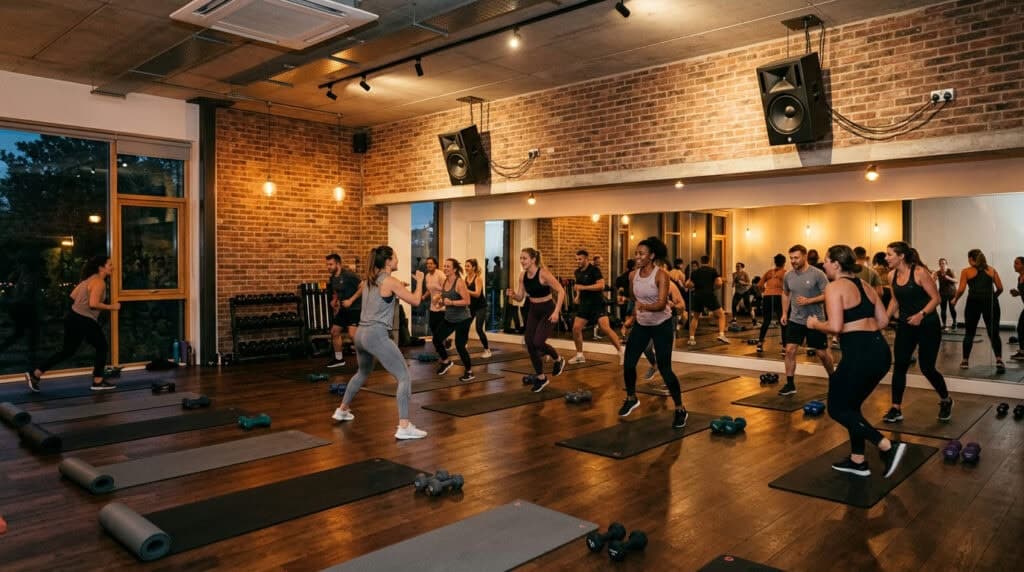
- High-quality photos of your gym (not stock images)
- A list of key equipment and training areas
- Unique facilities: sauna, pool, climbing wall, specialist equipment, turf strip, sled track
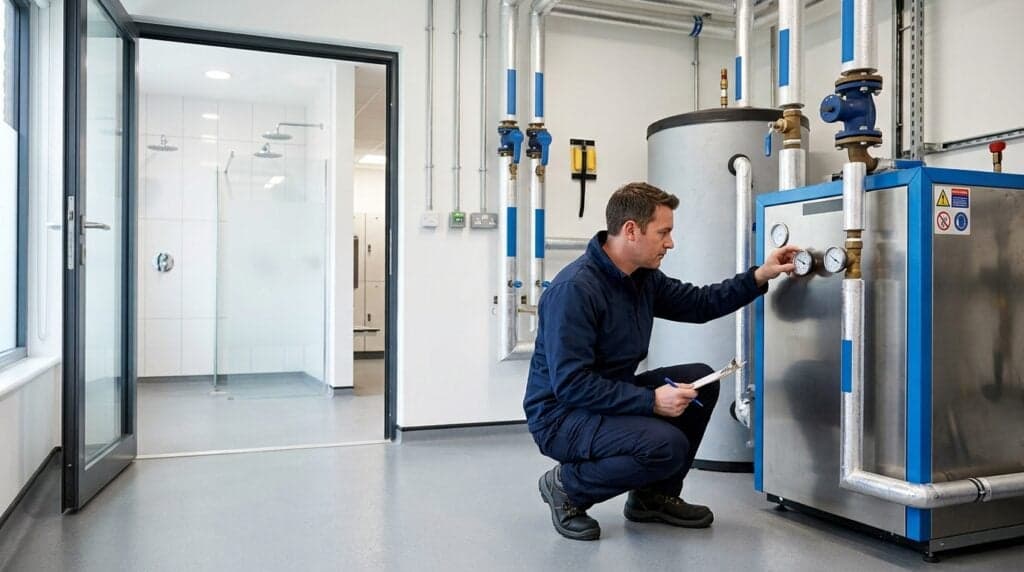
- Changing room and shower photos
- Free parking, bike racks, or transport links
5. About Us / Our Story
People choose independent gyms because they want a personal connection. Tell your story:
- Why you opened the gym
- Your fitness philosophy and approach
- Your team — photos, names, qualifications, and specialisms
- What makes your community different
6. Testimonials and Social Proof
Nothing sells your gym like real members talking about their experience. Include:
- Written testimonials with names (and photos if possible)
- Before and after photos (with permission)
- Google review snippets and your overall rating
- A link to your GymPal profile where prospects can read more reviews
7. Contact Information and Location
Make it effortless to get in touch and find you:
- Phone number (visible on every page)
- Email address
- Full postal address
- Embedded Google Map
- Opening hours (including bank holidays)
- Contact form
- Links to your social media profiles
8. Free Trial or Day Pass Sign-Up
Your primary call to action should be to get people through the door. Make it easy to claim a free trial or book a tour:
- A prominent button on every page
- A simple form (name, email, phone — nothing more)
- Instant confirmation via email or text
How to Build Your Gym Website
Option 1: DIY Website Builders (Recommended for Most)
You do not need a web developer. Modern website builders make it possible to create a professional gym website in a few hours:
| Platform | Cost | Best For |
|---|---|---|
| Wix | £15–25/month | Easiest drag-and-drop builder, great templates |
| Squarespace | £15–30/month | Beautiful design, excellent for visual businesses |
| WordPress | £5–15/month (hosting) | Maximum flexibility, larger ecosystem of plugins |
| Webflow | £14–25/month | More advanced design control |
For most independent gyms, Squarespace or Wix is the best starting point. Both offer gym-specific templates, are easy to update, and include hosting. You can have a professional site live within a weekend.
Option 2: Hire a Local Web Designer
If you have a budget of £500–2,000, a local web designer can create a custom site tailored to your gym. The advantage is a unique design that perfectly reflects your brand. The disadvantage is cost and the need to go back to the designer for most updates.
Option 3: Gym-Specific Website Platforms
Some platforms are built specifically for gyms and include integrated features like class booking, membership management, and payment processing:
- Glofox: All-in-one gym management with a built-in website
- TeamUp: Class booking and management with a website builder
- Exercise.com: Full gym management platform with custom website
These cost more (£80–200/month) but eliminate the need for separate booking and payment systems.
Website Must-Haves: The Technical Checklist
Beyond content, your website needs to meet basic technical standards:
- Mobile responsive: Over 60% of visitors will be on their phone. Test your site on mobile before launching.
- Fast loading: Pages should load in under 3 seconds. Compress images and avoid heavy elements.
- SSL certificate: Your site must use HTTPS (shown with a padlock in the browser). This is essential for security and Google rankings.
- Clear navigation: Visitors should find any page within 2 clicks from the homepage.
- SEO basics: Include your location and key services in page titles and headings (e.g. “Bristol Gym | Strength Training and Personal Training”).
- Google Analytics: Install GA4 (free) to track visitor behaviour and understand what drives enquiries.
Your Website and GymPal: Better Together
Your website and your GymPal listing serve complementary purposes:
- Your website is your full online home — detailed, branded, and under your control
- Your GymPal listing puts you in front of a fitness-specific audience actively comparing gyms
- Link from your website to your GymPal profile to show additional reviews and comparisons
- Link from your GymPal profile to your website for full information and trial sign-ups
Together, they cover both branded search (people who know your name) and discovery search (people who are just looking for a gym).
The Bottom Line
Your gym website is your 24/7 salesperson. It works while you sleep, answers questions while you are training clients, and converts prospects into visitors while you are running classes. Not having one — or having a bad one — is literally leaving members on the table.
You do not need to spend thousands or hire an agency. A simple, well-structured Squarespace or Wix site with the essentials listed above will outperform a flashy custom site that lacks clear information. Focus on answering your prospect’s questions, making it easy to get started, and keeping everything up to date.
Already have a website? Make sure it works harder for you by also listing on GymPal. Your free listing puts your gym in front of thousands of UK fitness seekers actively comparing options — driving traffic back to your website and people through your doors.
Is your gym listed on GymPal? Over 10,000 UK fitness businesses are in our directory. Claim your free listing in 5 minutes — and start getting discovered by local fitness seekers today.

I am Adam Hall, a dedicated fitness professional with over ten years of experience in the UK’s fitness industry. I earned my Master’s degree in Sports Science from Loughborough University and have worked with several top fitness studios across the UK. My certifications include a Level 3 Personal Trainer Certificate and a specialised Strength and Conditioning Coach accreditation.
Starting my career as a personal trainer, I quickly moved up to manage multiple gym locations, overseeing their operations and training programs. Beyond managing gyms, I regularly contribute to well-known fitness magazines and have been featured in articles for “Health & Fitness” and “Men’s Health”. My passion also extends online where I run a popular blog on GymPal’s AI-powered directory platform detailing insights into choosing the right fitness venues across the UK. With hundreds of posts reaching thousands of readers monthly, my goal is to influence positive changes in how people approach health and exercise throughout the country.