How to Choose the Right Type of Gym for Your Fitness Goals in the UK
Click Below To Share & Ask AI to Summarize This Article
Not all gyms are created equal. Walk into a budget-friendly leisure centre and you’ll get a very different experience from a boutique HIIT studio or a CrossFit box. If you’re new to fitness — or just looking for a change — choosing the right type of gym can make or break your motivation.
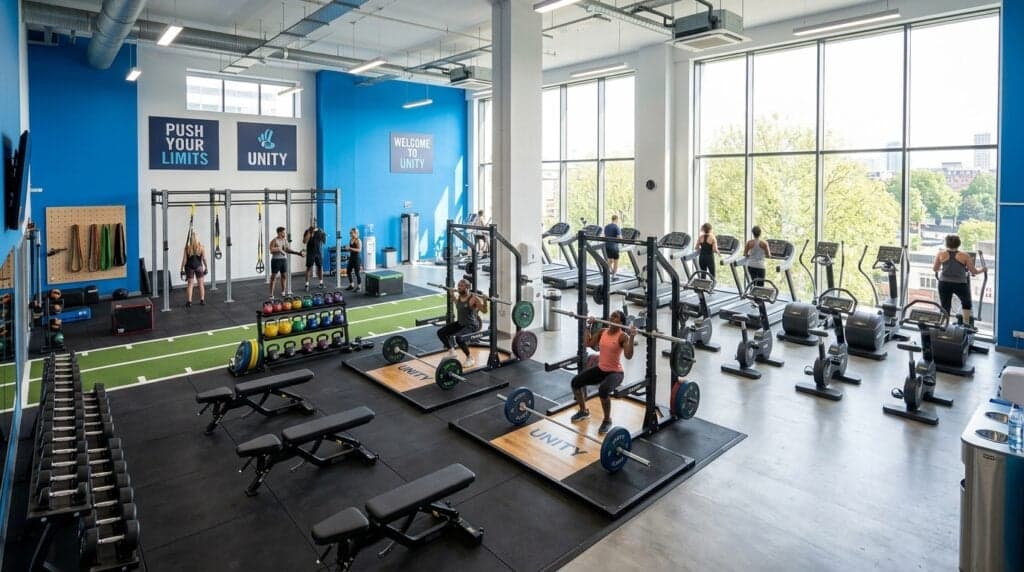
These are the most common gyms on UK high streets, and for good reason. Monthly memberships typically range from £15–£30, with no long-term contracts and 24/7 access in most locations.
Best for:
- Beginners who want affordable access to a wide range of equipment
- People with unpredictable schedules who need flexible opening hours
- Anyone who prefers to train alone at their own pace
What you’ll find:
A large open-plan space with cardio machines, fixed-weight resistance machines, a free weights area, and sometimes a functional training zone. Classes may be available but usually cost extra. Personal trainers operate independently on the gym floor.
Watch out for:
Peak times (5–7 pm on weekdays) can be very busy, especially in city-centre locations. Equipment availability can be limited during these hours.
2. Premium Health Clubs (David Lloyd, Nuffield Health, Virgin Active)
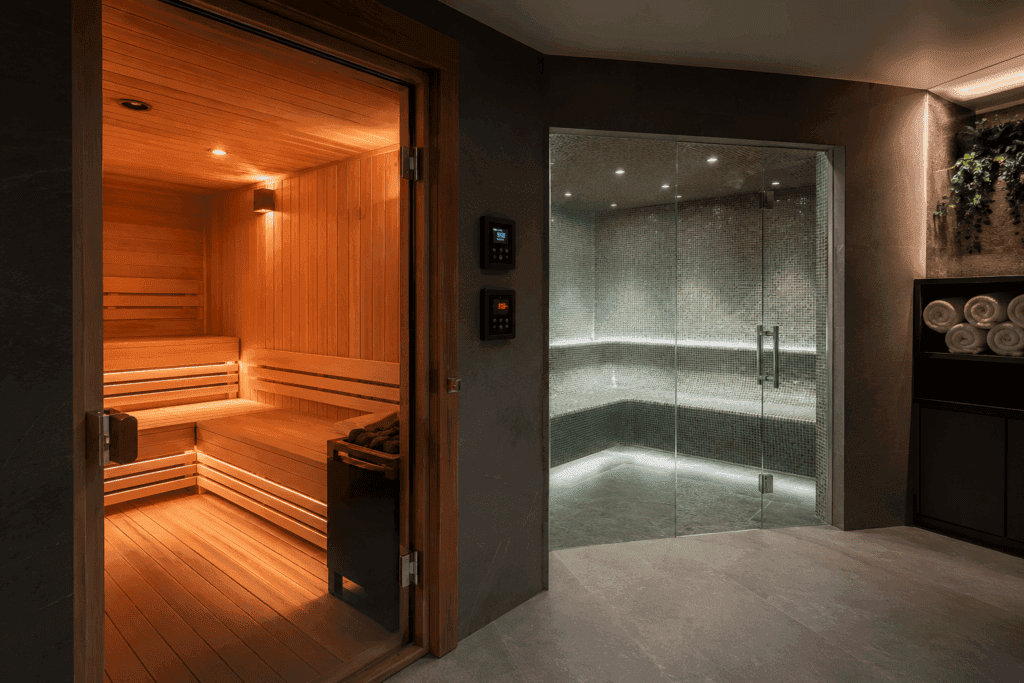
If you want more than just a place to lift weights, premium health clubs deliver a full wellness experience. Memberships range from £60–£120+ per month and often include pools, spa facilities, group classes, and creches.
Best for:
- Families who want a health and leisure destination
- People who value swimming, sauna, and recovery facilities
- Those who enjoy a wide variety of group fitness classes
What you’ll find:
State-of-the-art gym equipment, swimming pools, tennis and squash courts, steam rooms, saunas, and an extensive timetable of classes from yoga to spin to boxing. Many also have cafes and co-working spaces.
Watch out for:
The higher price tag. If you’re only using the gym floor twice a week, a budget gym might offer better value. Always check for joining fees and minimum contract terms.
3. Boutique Fitness Studios (F45, Barry’s, 1Rebel, Kobox)
Boutique studios focus on one specific type of training and do it exceptionally well. Sessions are typically 45–60 minutes, instructor-led, and designed to push you hard. Expect to pay £15–£25 per session or £100–£200 per month for unlimited access.
Best for:
- People who struggle with self-motivation and need structured sessions
- Anyone looking for a social, community-driven workout
- Experienced exercisers wanting to push their limits
What you’ll find:
A focused space designed for one training style — whether that’s high-intensity interval training, boxing, cycling, or Pilates. Classes are small, music is loud, and the energy is infectious. Many studios track your performance metrics so you can see progress over time.
Watch out for:
Limited variety. If you like mixing weight training with cardio and flexibility work, a boutique studio won’t cover all bases on its own. Consider pairing it with a budget gym membership for a well-rounded routine.
4. CrossFit Boxes
CrossFit is a training methodology, not just a gym type. Boxes (what CrossFit gyms are called) offer group classes built around functional movements — think Olympic lifting, gymnastics, and metabolic conditioning. Monthly memberships are typically £80–£150.
Best for:
- People who thrive in a competitive, team-oriented environment
- Anyone wanting to build strength, power, and conditioning simultaneously
- Those bored of traditional gym routines
What you’ll find:
An industrial-style space with pull-up rigs, barbells, kettlebells, rowing machines, and plenty of open floor space. Workouts are called WODs (Workout of the Day) and are scaled to all fitness levels. Coaching is included in every session.
Watch out for:
CrossFit has a steep learning curve for beginners. Most boxes require you to complete a fundamentals course before joining regular classes. The intensity can be high, so listen to your body and communicate with coaches about any limitations.
5. Women-Only Gyms and Studios
For many women, a female-only environment removes barriers to exercise — whether that’s gym anxiety, cultural preferences, or simply feeling more comfortable. These gyms range from small independent studios to larger chains.
Best for:
- Women who feel intimidated by mixed-gym environments
- Those who prefer female instructors and a supportive community
- Anyone interested in women-specific training programmes (pre/post-natal, menopause-friendly)
What you’ll find:
A welcoming space with a mix of cardio, strength, and functional equipment. Many offer group classes designed for women’s fitness goals, plus personal training and nutritional guidance.
6. Independent and Speciality Gyms
The UK has a thriving independent gym scene — from old-school bodybuilding gyms and powerlifting clubs to climbing walls, martial arts academies, and yoga shalas. These are often run by passionate owners who live and breathe their speciality.
Best for:
- People with a specific interest or sport they want to pursue seriously
- Anyone who values expertise and a tight-knit community over shiny facilities
- Those wanting to support local businesses
What you’ll find:
It varies wildly. A powerlifting gym might be a no-frills warehouse with competition-grade equipment. A climbing centre could have towering walls and a cafe. Martial arts gyms often have mats, bags, and a ring. The common thread: knowledgeable coaches and dedicated members.
7. Leisure Centres and Council Gyms
Run by local authorities or leisure trusts, these facilities offer affordable fitness with the added bonus of community programmes. Many have been modernised in recent years with refurbished gyms and new classes.
Best for:
- Families and older adults wanting affordable, accessible fitness
- People who need swimming, badminton, or other sport facilities alongside the gym
- Anyone on a tight budget or eligible for concessionary rates
How to Choose the Right Gym for You
Before you sign up, ask yourself these questions:
- What are your goals? Weight loss, strength building, general fitness, sport-specific training, or stress relief? Different gyms excel at different things.
- What’s your budget? Be honest about what you can sustain month to month. A gym you can afford is better than a premium one you cancel after two months.
- When will you train? Check opening hours and visit during your intended training times to gauge how busy it gets.
- Do you need guidance? If you’re unsure what to do in the gym, look for places with included coaching (CrossFit, boutique studios) or affordable personal training.
- How far are you willing to travel? Research shows that people who live within 10 minutes of their gym go significantly more often. Proximity matters.
Finding Your Perfect Gym Match
The UK fitness landscape is incredibly diverse, which is great news for consumers — but it also means more options to sift through. Whether you’re after a no-frills budget gym, a premium health club, a specialist training facility, or something in between, the right gym is out there waiting for you.
Ready to find the right gym? Head to GymPal to search and compare gyms near you. Browse by type, facilities, location, and price to find your perfect match. It’s free to use and thousands of UK gyms are already listed.

I am Adam Hall, a dedicated fitness professional with over ten years of experience in the UK’s fitness industry. I earned my Master’s degree in Sports Science from Loughborough University and have worked with several top fitness studios across the UK. My certifications include a Level 3 Personal Trainer Certificate and a specialised Strength and Conditioning Coach accreditation.
Starting my career as a personal trainer, I quickly moved up to manage multiple gym locations, overseeing their operations and training programs. Beyond managing gyms, I regularly contribute to well-known fitness magazines and have been featured in articles for “Health & Fitness” and “Men’s Health”. My passion also extends online where I run a popular blog on GymPal’s AI-powered directory platform detailing insights into choosing the right fitness venues across the UK. With hundreds of posts reaching thousands of readers monthly, my goal is to influence positive changes in how people approach health and exercise throughout the country.