How to Compete With Budget Gym Chains: Strategies for Independent UK Gym Owners

Click Below To Share & Ask AI to Summarize This Article
The David and Goliath Reality
PureGym has over 300 locations in the UK. The Gym Group is expanding rapidly. JD Gyms is opening new sites every month. These chains have national brand recognition, slick marketing, and price points that independent gym owners simply cannot match on a per-month basis. with a coach
Coaching and Support
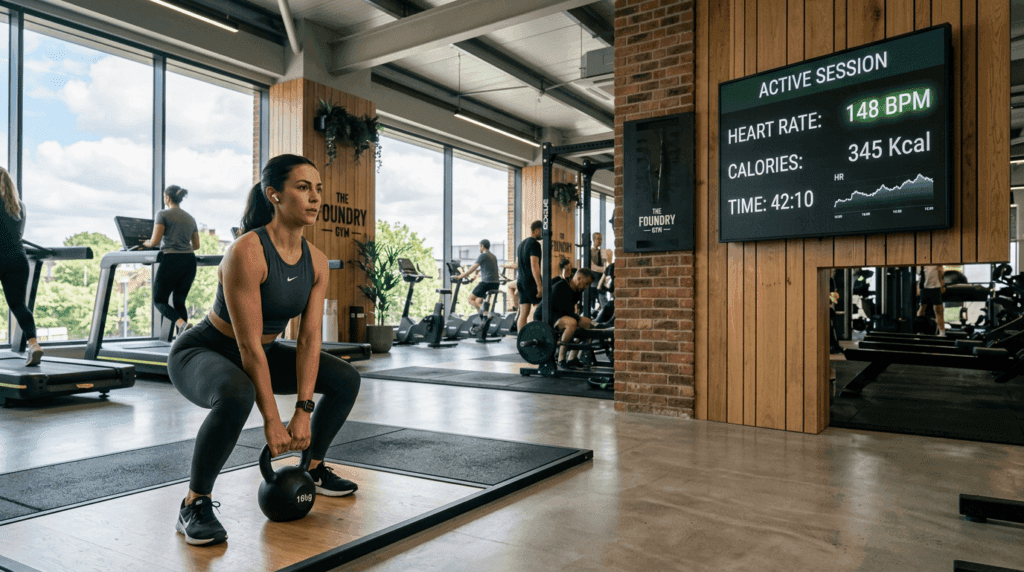
- Floor coaches available during peak hours to help with form and answer questions
- Complimentary programme reviews for all members (not just PT clients)
- Technique workshops (squat clinic, deadlift workshop, Olympic lifting intro)
- Goal-setting sessions for new members
Facilities
- Specialist equipment that chains do not have (sleds, farmers walk handles, specialty bars, GHD machines)
- Dedicated stretching and mobility area
- Recovery facilities: sauna, steam room, ice bath
- Supplement shop with quality products and staff recommendations
Strategy 3: Own Your Local Identity
Chains are faceless and generic. Independent gyms have character, personality, and local roots. Use that.
- Tell your story. Why did you open the gym? What is your fitness philosophy? What makes your approach different? Share this on your website, social media, and in your GymPal profile.
- Partner with local businesses. Cross-promote with nearby cafes, physiotherapists, sports shops, and meal prep companies. Offer each other’s customers discounts.
- Sponsor local events. School sports days, charity runs, local rugby or football clubs. This builds goodwill and visibility in your community.
- Support local causes. Host charity workouts, donate a portion of new memberships to local charities, or offer discounted rates for key workers, NHS staff, and emergency services.
Strategy 4: Master Your Online Presence
- Google Business Profile. Claim and optimise yours. Respond to every review. Post weekly updates. Keep your photos fresh.
- Instagram. Post real content from your gym daily. Show members, classes, behind-the-scenes moments. Chains post generic content; you post authenticity.
- GymPal listing. Claim your free listing and make it detailed. Include your unique facilities, class schedule, member testimonials, and a compelling description.
- Google Reviews. Actively ask for reviews. Your goal is to have significantly more reviews and a higher average rating than the local chain.
Strategy 5: Get Your Pricing Right
- Tiered memberships. Offer a basic tier (gym floor only), a standard tier (gym + classes), and a premium tier (gym + classes + PT sessions + extras).
- Off-peak rates. Fill quiet hours with a discounted membership for students, retirees, or anyone who can train before 4pm.
- No hidden fees. Be upfront about joining fees, annual increases, and cancellation terms. Chains often hide these; your transparency builds trust.
- Annual discounts. Offer meaningful savings for annual prepayment (15-20% off). This improves cash flow and locks in members for longer.
- Corporate partnerships. Approach local businesses and offer their employees discounted rates.
Strategy 6: Deliver an Experience, Not Just a Facility
The ultimate differentiator is how people feel when they walk through your door. Budget chains provide access to equipment. Independent gyms can provide an experience:
- Clean, well-maintained facilities (chains often cut corners here)
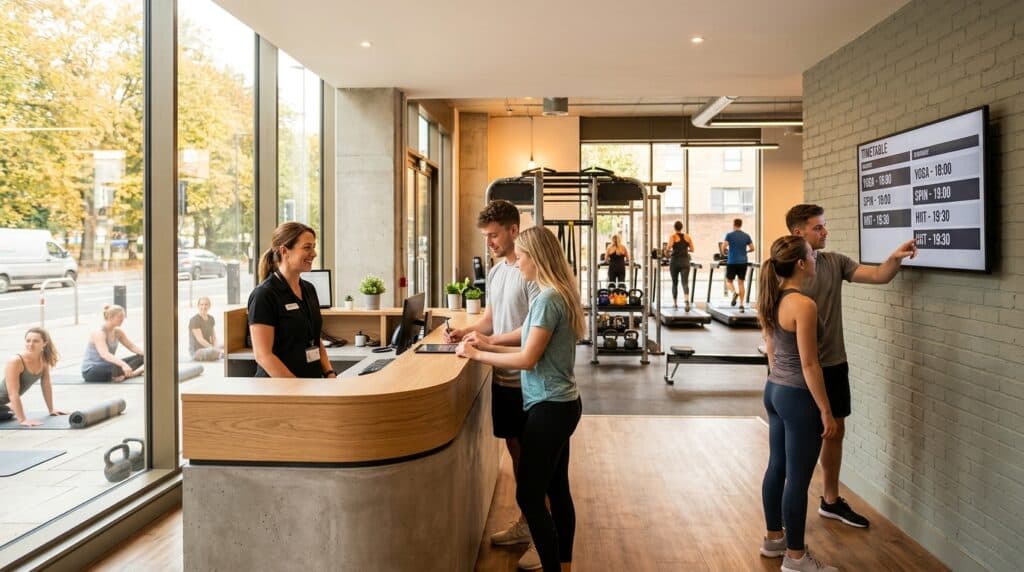
- Staff who know your name, remember your goals, and ask about your progress
- A welcoming atmosphere where beginners do not feel intimidated
- Music that matches your gym’s personality (not generic playlist)
- Attention to detail: good lighting, temperature control, clean changing rooms, working showers
- A culture where members encourage each other and celebrate wins
The One Thing to Remember
PureGym members leave PureGym at a rate of 30-50% per year. They are not loyal to the brand — they are loyal to convenience and price. When they have a bad experience (crowded gyms, broken equipment, impersonal service), they look for alternatives.
Your job is to be the alternative they find. When a frustrated chain member searches for gyms near them and discovers your gym — with its glowing reviews, community atmosphere, and genuine coaching — the choice becomes clear.
The Bottom Line
Independent gyms do not need to compete with chains on their terms. You compete on yours: community, coaching, character, and experience. These are things that chains cannot replicate at scale.
Focus on being the gym that people love, not the gym that is cheapest. Build a community that members feel proud to belong to. Deliver an experience that makes people look forward to their next session. Do those things consistently, and you will never need to worry about the chain down the road again.
Make sure potential members can find you when they search for alternatives to the big chains. Claim your free GymPal listing and showcase what makes your independent gym different. Facilities, reviews, pricing, and a compelling description — all in one place for fitness seekers who are ready to make a switch.
Is your gym listed on GymPal? Over 10,000 UK fitness businesses are in our directory. Claim your free listing in 5 minutes — and start getting discovered by local fitness seekers today.

I am Adam Hall, a dedicated fitness professional with over ten years of experience in the UK’s fitness industry. I earned my Master’s degree in Sports Science from Loughborough University and have worked with several top fitness studios across the UK. My certifications include a Level 3 Personal Trainer Certificate and a specialised Strength and Conditioning Coach accreditation.
Starting my career as a personal trainer, I quickly moved up to manage multiple gym locations, overseeing their operations and training programs. Beyond managing gyms, I regularly contribute to well-known fitness magazines and have been featured in articles for “Health & Fitness” and “Men’s Health”. My passion also extends online where I run a popular blog on GymPal’s AI-powered directory platform detailing insights into choosing the right fitness venues across the UK. With hundreds of posts reaching thousands of readers monthly, my goal is to influence positive changes in how people approach health and exercise throughout the country.