How to Open and Run a Gym in Oxford or Cambridge: University City Guide for Gym Owners
Click Below To Share & Ask AI to Summarize This Article
Oxford and Cambridge share more in common as gym markets than almost any other pair of UK cities. Both are dominated by their universities. Both have intense seasonality. Both have a split market — transient students on one side, wealthy permanent residents on the other. And both have commercial property costs that will surprise anyone expecting provincial pricing. Here’s a unified guide for gym owners considering either city.. During term time, demand spikes. During holidays, student footfall drops dramatically. Your membership model needs to account for this — avoid locking students into annual contracts that will churn in June, and build a permanent-resident membership base to carry the gym through the summer.
Split demographics with very different willingness to pay:
- Students: Budget-conscious, short-term thinking, high volume. Good for filling a gym but poor long-term value unless you convert them to permanent residents (postgrads and young academics sometimes stay).
- Academics and university staff: Secure income, health-conscious, prefer quality over price. Often the most loyal and highest-lifetime-value members.
- Permanent residents: Highly affluent in both cities — median house prices are among the highest outside London. Premium gym concepts work here.
- Tech and professional workers: Cambridge has a significant biotech and technology cluster (the Cambridge Biomedical Campus, ARM, AstraZeneca). Oxford has a growing life sciences and startup sector. These professionals expect premium fitness provision.
Competition from university sports facilities: Both universities have extensive sports facilities available to students and, in some cases, staff and the public. You’re not competing head-to-head — you’re positioning as complementary, not inferior. Independent gyms offer flexibility, community, and specialist programming that university sports halls don’t.
Oxford: Key Areas
Cowley Road: Diverse, affordable, student and young professional community. East Oxford’s cultural heart. Lower rents, high footfall, good for budget and mid-market gyms.
Headington: Home to Oxford Brookes University and several hospitals. Strong student and NHS worker market. Mid-market pricing works well here.
Jericho: Affluent, residential, populated by academics and professionals. Premium pricing justifiable. Small boutique studios and PT spaces do well.
Summertown: North Oxford’s affluent suburb. High household income, permanent residents, less student pressure. Good for premium or family-focused gyms.
Commercial rents in Oxford: £18-£35 per sq ft per year for city-centre and prime suburb locations. Expect to compete for space — Oxford’s commercial property market is constrained.
Cambridge: Key Areas
Mill Road: Diverse, vibrant, student-heavy. Cambridge’s most characterful neighbourhood for independent businesses. Good footfall, mid-market positioning.
Romsey Town / Petersfield: Residential, more affordable, local community feel. Good for community-first or family-oriented gyms.
Trumpington: Growing suburb to the south, new residential development, good for modern family-friendly gym concepts. Less competition than city centre.
CB1 / Station area: Cambridge’s fast-growing tech and professional hub around the railway station. Commuter market, tech workers, premium positioning viable.
Commercial rents in Cambridge: £20-£40 per sq ft per year in central and tech-cluster locations. Cambridge has seen rapid commercial rent growth driven by biotech expansion.
Pricing Strategy
Both cities support premium pricing for the right product. Before setting your rates, the guide to pricing gym memberships as an independent owner is essential reading — it covers break-even analysis and positioning that applies equally well to a premium Oxford studio or a Cambridge student-facing gym.
- Student rates: £20-£30/month (essential to offer; students are the majority of foot-traffic in central areas)
- Standard: £35-£55/month
- Premium / boutique: £65-£100/month
- Corporate rates: viable for Cambridge tech cluster; approach HR teams at major biotech employers
Consider term-time vs. annual pricing explicitly — many Oxford and Cambridge gyms offer a “student flexi” contract that pauses during the long summer rather than forcing cancellation.
Marketing to the Academic Community
Academics and researchers respond to wellbeing framing more than physique-focused marketing. Your local SEO strategy should reflect these audiences — search terms like “gym near Radcliffe Camera” or “gym CB1 Cambridge” capture high-intent searchers you won’t reach through generic national marketing. Stress reduction, mental health benefits, social connection, and longevity are the messages that work. Avoid “get shredded” aesthetics for this audience.
Get listed in both universities’ internal staff communications, their sports department partner listings, and any local wellbeing initiatives. University staff discounts (even modest ones) can unlock access to institutional communication channels worth thousands of pounds in advertising.
Cycling Culture
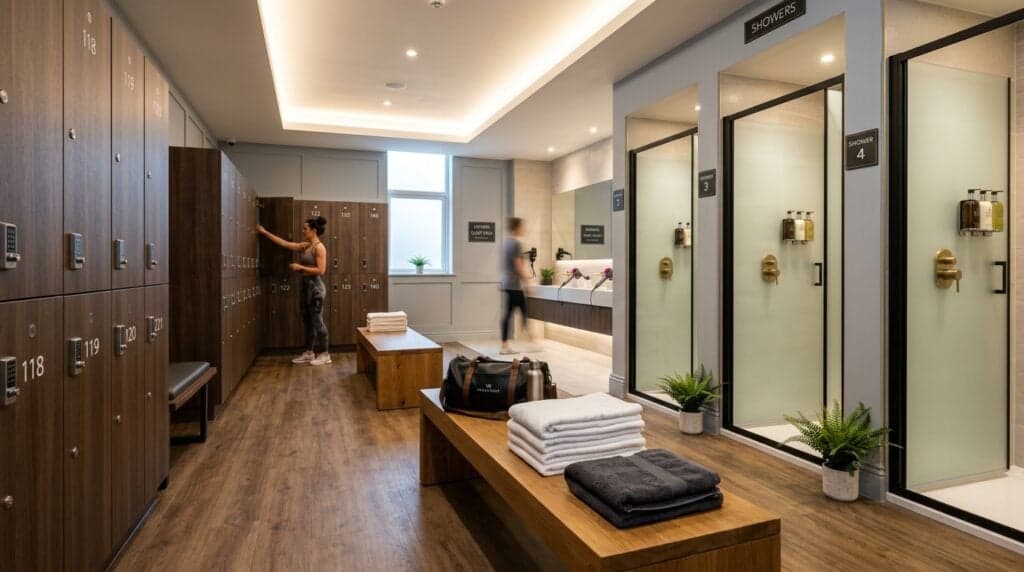
Both Oxford and Cambridge are among the most cycle-dependent cities in the UK. Your gym’s cycle storage and shower provision matters — if members can’t lock a bike safely and shower after commuting in, you lose a segment of the market that’s otherwise very fit-minded and gym-curious.
Licensing and Compliance
Standard UK gym licensing applies in both cities. Both Oxford City Council and Cambridge City Council have relatively active planning departments. Getting your gym insurance right from the start — public liability, employer’s liability, and equipment cover — is especially important in conservation-area premises where third-party damage claims can escalate quickly. — check early for change-of-use requirements, especially in conservation areas (both cities have extensive protected zones). Noise control for music-based classes can also be a planning condition in central areas.
Get Found Before You Open
In both cities, gym-seekers search online first. Google Business Profile is essential. A GymPal listing ensures your gym appears when people specifically search for local gym options — independent gyms that aren’t listed miss members who are actively comparing facilities.
Claim your free GymPal listing and ensure your Oxford or Cambridge gym is visible to the thousands of local residents and students searching for a gym. Claim your listing here — it’s free and takes five minutes.

I am Adam Hall, a dedicated fitness professional with over ten years of experience in the UK’s fitness industry. I earned my Master’s degree in Sports Science from Loughborough University and have worked with several top fitness studios across the UK. My certifications include a Level 3 Personal Trainer Certificate and a specialised Strength and Conditioning Coach accreditation.
Starting my career as a personal trainer, I quickly moved up to manage multiple gym locations, overseeing their operations and training programs. Beyond managing gyms, I regularly contribute to well-known fitness magazines and have been featured in articles for “Health & Fitness” and “Men’s Health”. My passion also extends online where I run a popular blog on GymPal’s AI-powered directory platform detailing insights into choosing the right fitness venues across the UK. With hundreds of posts reaching thousands of readers monthly, my goal is to influence positive changes in how people approach health and exercise throughout the country.