How to Recover Faster After a Tough Gym Session: Tips That Actually Work
Click Below To Share & Ask AI to Summarize This Article
You pushed hard. You left everything on the gym floor. Now your muscles are screaming, your legs feel like jelly, and you are wondering if you will even be able to get out of bed tomorrow. Sound familiar?
1. Rehydrate Properly (Not Just Water)
You lose a lot of fluid through sweat during an intense session. Plain water is a good start, but you also need to replace electrolytes — sodium, potassium, and magnesium — that help your muscles function properly.
What to do:
- Drink 500–750ml of water within 30 minutes of finishing
- Add a pinch of salt or an electrolyte tablet if you sweated heavily
- Avoid relying solely on sports drinks — many are packed with sugar
- Coconut water or a banana with a glass of milk is a solid natural alternative
2. Eat for Recovery Within the Golden Window
There is a lot of debate about the “anabolic window,” but the science is clear on one thing: eating protein and carbs after training helps your body recover faster than fasting.
Aim for:
- Protein: 20–40g within a couple of hours (chicken, eggs, Greek yoghurt, a protein shake)
- Carbs: A portion of rice, sweet potato, oats, or fruit to replenish glycogen
- Fats: Keep them moderate immediately post-workout — they slow down nutrient absorption
A simple post-gym meal could be grilled chicken with rice and veg, or a protein shake blended with oats and a banana. You do not need expensive supplements — real food works brilliantly.
3. Use Active Recovery Instead of Complete Rest
Sitting on the sofa for two days after leg day is the worst thing you can do. Light movement increases blood flow, delivers nutrients to damaged muscles, and clears out waste products like lactic acid.
Try these active recovery options:
- A 20–30 minute walk
- Swimming or aqua aerobics (low impact, great for joints)
- Yoga or gentle stretching
- A light cycle on a stationary bike
- Foam rolling for 10–15 minutes
The key is keeping the intensity low. You should feel better afterwards, not more tired.
4. Sleep: Your Most Powerful Recovery Tool
Sleep is when your body releases growth hormone, repairs tissue, and consolidates the adaptations from your training. If your sleep is poor, your recovery will be poor — no matter how well you eat or stretch.
Quick sleep tips:
- Aim for 7–9 hours per night
- Keep a consistent bedtime, even on weekends
- Avoid caffeine after 2pm if you train in the evening
- Keep your room cool, dark, and quiet
- Put your phone away 30 minutes before bed
If you are training hard and sleeping less than 6 hours a night, you are working against yourself.
5. Foam Rolling and Stretching
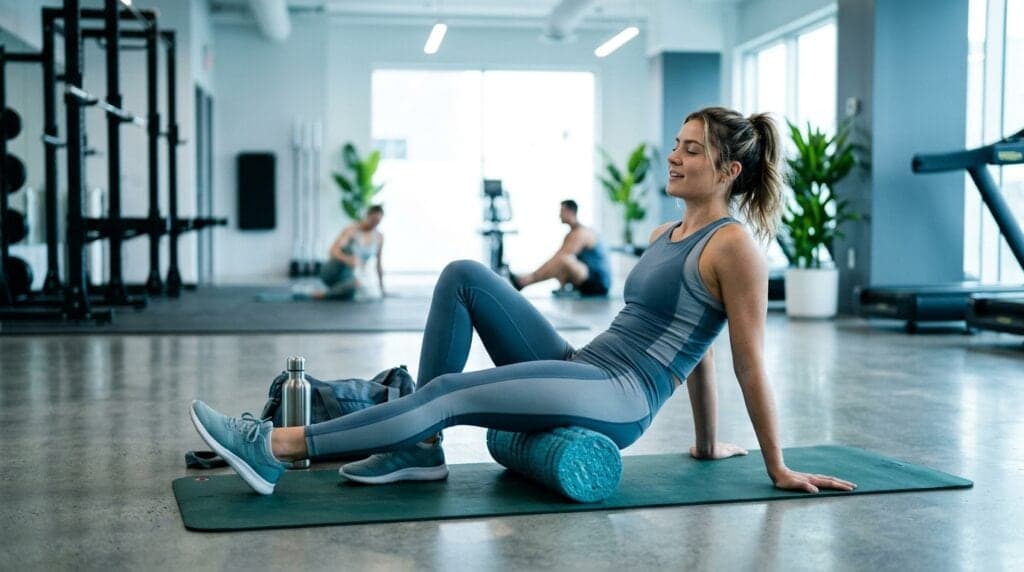
Foam rolling (also called self-myofascial release) helps break up adhesions in your muscle tissue and improve range of motion. It can also reduce the severity of delayed onset muscle soreness (DOMS).
How to do it effectively:
- Spend 1–2 minutes on each major muscle group
- Roll slowly — do not rush
- Pause on tender spots for 20–30 seconds
- Focus on the areas you trained: quads, hamstrings, glutes, back, calves
- Follow up with static stretches, holding each for 30 seconds
Most UK gyms have foam rollers available. If yours does not, they are affordable online and one of the best recovery investments you can make.
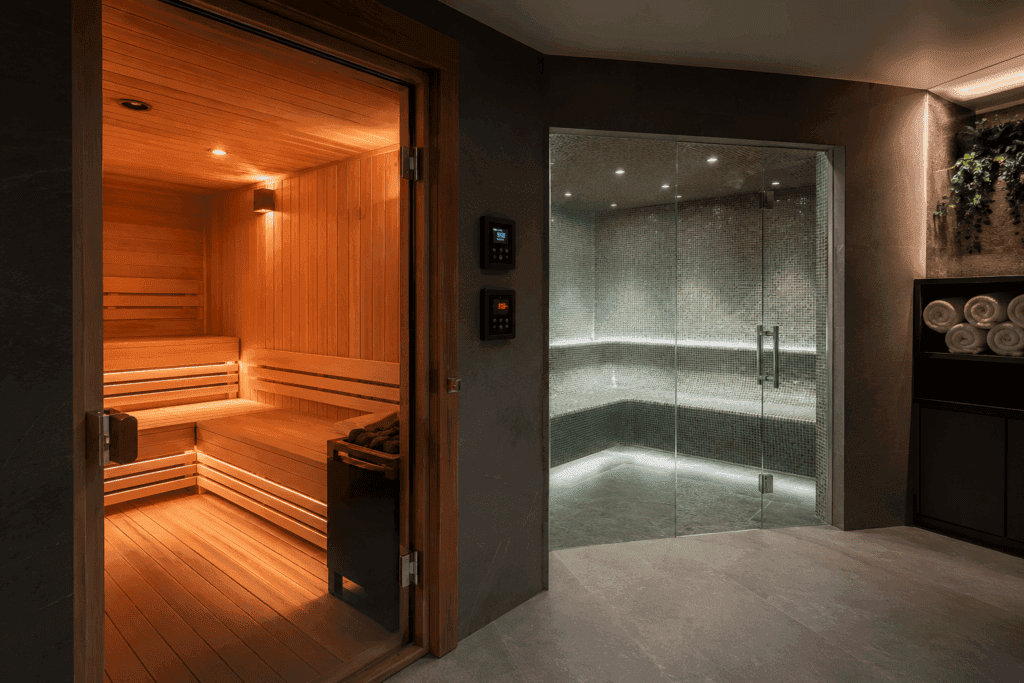
6. Cold Water Therapy and Contrast Showers
Cold water immersion has become increasingly popular in the UK fitness scene, and for good reason. Cold exposure reduces inflammation, numbs pain, and can speed up perceived recovery.
How to use it:
- Ice bath: 10–15 minutes at 10–15°C (if you have access)
- Cold shower: 2–3 minutes of cold at the end of your normal shower
- Contrast shower: Alternate 1 minute hot / 1 minute cold for 6–8 rounds
Note: Avoid cold water immersion immediately after a strength session if your goal is muscle growth — some evidence suggests it may blunt hypertrophy signals. Save it for after cardio-heavy or endurance sessions.
7. Manage Your Training Load
One of the most overlooked recovery strategies is simply not overdoing it in the first place. Progressive overload works, but jumping from three sessions a week to six overnight is a recipe for burnout and injury.
Smart training tips:
- Increase volume or intensity by no more than 10% per week
- Include at least 1–2 rest or active recovery days per week
- Deload every 4–6 weeks (reduce volume by 40–50%)
- Listen to your body — persistent fatigue, soreness, or poor performance are signs to ease off
Quick Recovery Checklist
- ✅ Hydrate with water and electrolytes straight after training
- ✅ Eat a protein- and carb-rich meal within 2 hours
- ✅ Do 10–15 minutes of foam rolling or stretching
- ✅ Get 7–9 hours of quality sleep
- ✅ Use active recovery the day after an intense session
- ✅ Manage your training volume to avoid overtraining
The Bottom Line
Recovery is not passive — it is an active process that you can optimise with the right habits. Hydrate, eat well, sleep properly, move gently on rest days, and do not ignore your body when it tells you to ease off. The people who make the best progress are not the ones who train the hardest — they are the ones who recover the best.
If you are looking for a gym that fits your training style and recovery needs, GymPal can help you find the right fit. With thousands of UK gyms listed, from 24-hour facilities to specialist recovery centres, it is the easiest way to discover what is available near you.

I am Adam Hall, a dedicated fitness professional with over ten years of experience in the UK’s fitness industry. I earned my Master’s degree in Sports Science from Loughborough University and have worked with several top fitness studios across the UK. My certifications include a Level 3 Personal Trainer Certificate and a specialised Strength and Conditioning Coach accreditation.
Starting my career as a personal trainer, I quickly moved up to manage multiple gym locations, overseeing their operations and training programs. Beyond managing gyms, I regularly contribute to well-known fitness magazines and have been featured in articles for “Health & Fitness” and “Men’s Health”. My passion also extends online where I run a popular blog on GymPal’s AI-powered directory platform detailing insights into choosing the right fitness venues across the UK. With hundreds of posts reaching thousands of readers monthly, my goal is to influence positive changes in how people approach health and exercise throughout the country.