Post-Workout Recovery: What to Do in the 24 Hours After a Gym Session
Click Below To Share & Ask AI to Summarize This Article
You’ve finished your workout. Well done. But what you do in the next 24 hours is just as important as what you did in the gym. Recovery is where your body actually builds strength, repairs tissue, and adapts to the stress you just put it through.
Cool Down Properly
Don’t just stop. Spend 5-10 minutes at low intensity — walk on the treadmill, cycle gently, or row at an easy pace. This gradually reduces your heart rate and helps clear metabolic waste from your muscles.
Stretch What You Worked
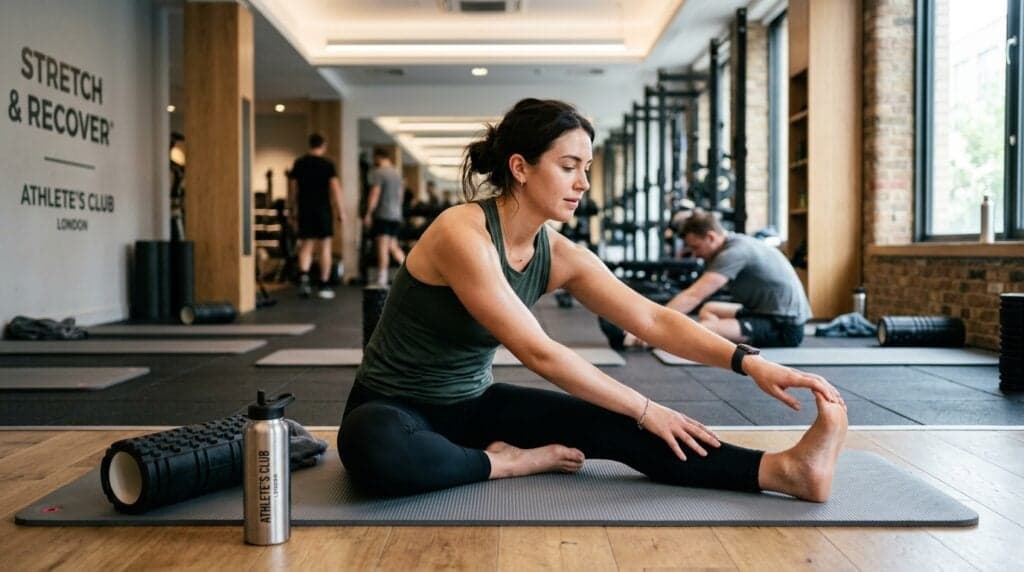
Target the muscle groups you just trained with 30-60 second static stretches. Focus on major areas: hamstrings, quads, hip flexors, chest, and shoulders. This improves flexibility and may reduce next-day soreness.
Rehydrate
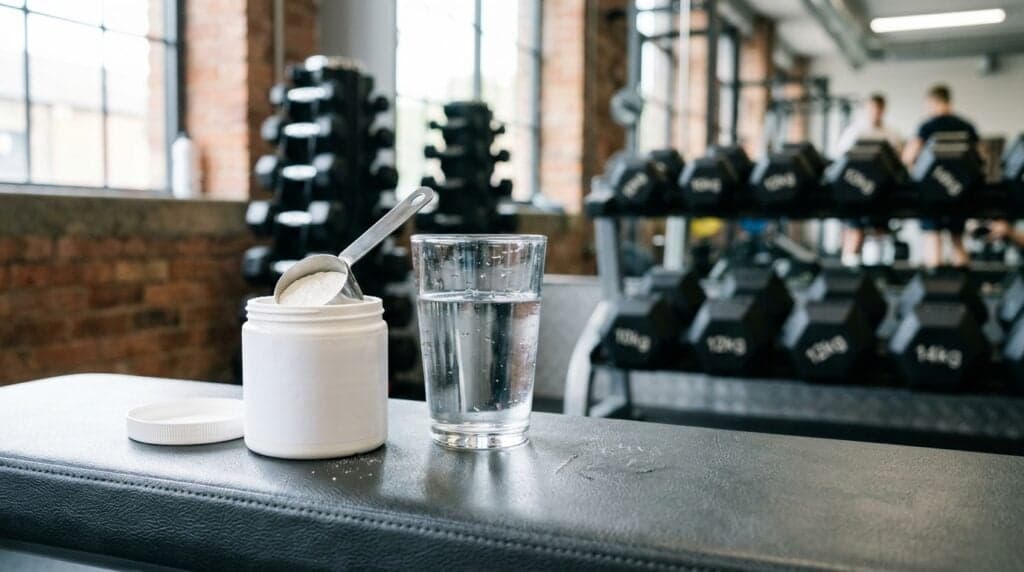
You’ve lost fluid through sweat. Drink 500-750ml of water in the first 30 minutes after training. If it was a particularly intense or long session (60+ minutes), consider an electrolyte drink to replace sodium and potassium.
First Hour (30-60 Minutes)
Eat Protein and Carbs
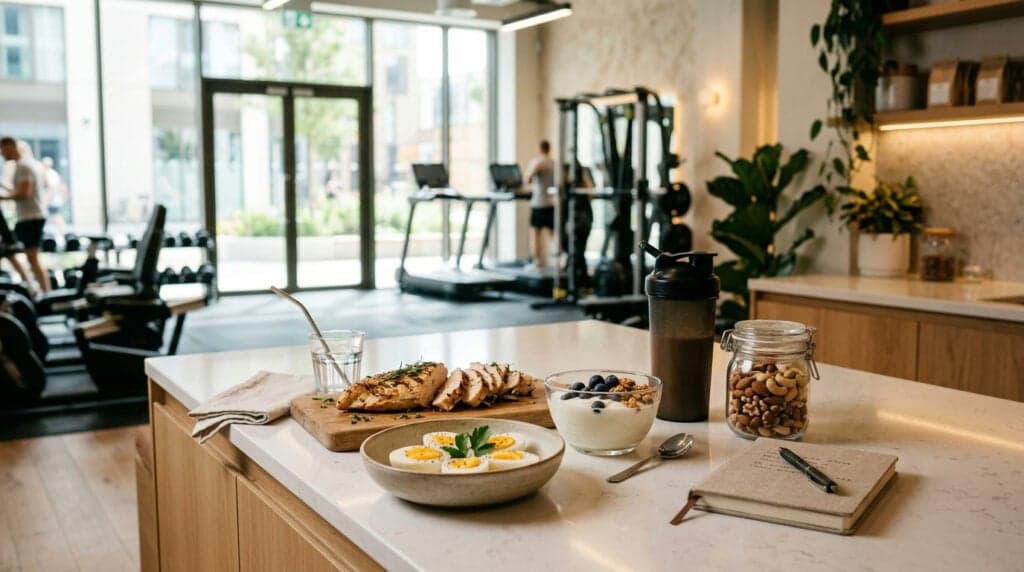
The “anabolic window” isn’t as narrow as once thought, but eating within an hour of training is still optimal. Aim for 20-40g protein plus some carbohydrates. Practical options:
- Chicken breast with rice and vegetables
- Protein shake with a banana
- Greek yoghurt with berries and granola
- Eggs on toast
- Tinned tuna with pasta
The protein supports muscle repair. The carbohydrates replenish glycogen stores so you have energy for your next session.
Hours 1-6
Keep Moving
Don’t sit at a desk for the rest of the day. Light movement — a short walk, gentle housework, taking the stairs — keeps blood flowing to your muscles and aids recovery. A 10-15 minute walk makes a real difference. See also: UK Bootcamp Fitness Classes: Your Complete Guide. See also: How to Offer Nutrition Coaching at Your Gym Without Hiring a.
Stay Hydrated
Continue drinking water throughout the day. A good target: 2-3 litres total per day, more if you trained hard or it’s warm.
Hours 6-12: Sleep
Sleep is the single most important factor in recovery. During deep sleep, your body releases growth hormone, repairs muscle tissue, and consolidates motor learning (important if you’re learning new exercises).
- Aim for 7-9 hours
- Keep the room cool (16-19 degrees)
- Avoid screens for 30-60 minutes before bed
- Avoid caffeine after 2 PM if you trained in the evening
Hours 12-24: The Next Day
Active Recovery
A rest day doesn’t mean doing nothing. Light activity — a 20-30 minute walk, gentle swimming, yoga, or an easy cycle — promotes blood flow and reduces muscle soreness. Intensity should be 3-4 out of 10.
Foam Rolling
5-10 minutes of foam rolling on sore areas can reduce DOMS (delayed onset muscle soreness) and improve range of motion. Focus on the muscles you trained yesterday.
Eat Well Again
Your muscles are still repairing the day after training. Continue eating protein with every meal and aim for a balanced diet rich in vegetables, whole grains, and healthy fats.
When You’re Still Sore After 48 Hours
DOMS typically peaks 24-48 hours after exercise and fades by 72 hours. If you’re still significantly sore after 3 days, you may have overtrained. Next session, reduce volume or intensity by 20-30%.
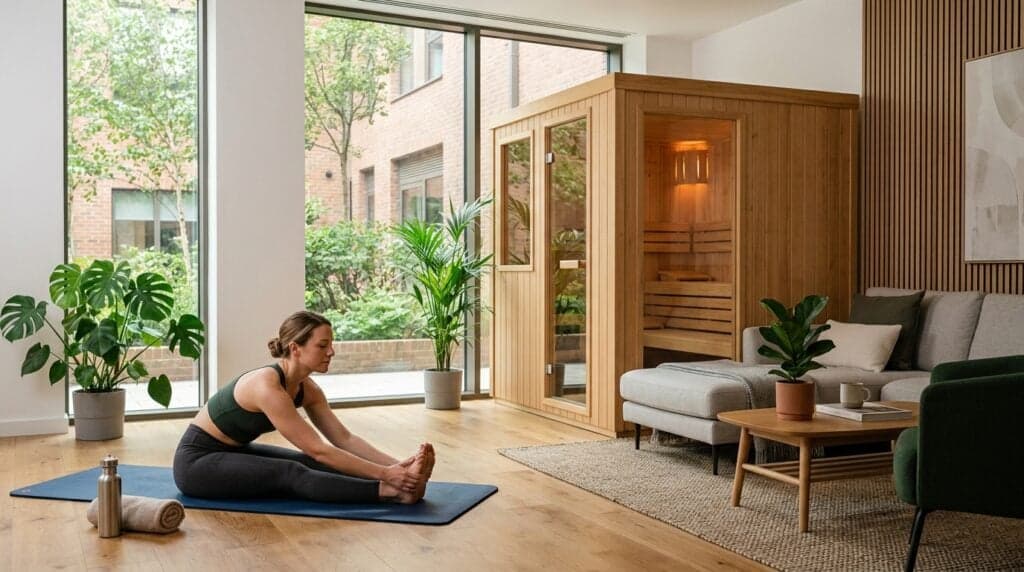
Find gyms with recovery facilities (sauna, steam room, pool) on GymPal. And for gym owners — make sure your GymPal listing mentions recovery facilities. Members increasingly look for these when choosing a gym.

I am Adam Hall, a dedicated fitness professional with over ten years of experience in the UK’s fitness industry. I earned my Master’s degree in Sports Science from Loughborough University and have worked with several top fitness studios across the UK. My certifications include a Level 3 Personal Trainer Certificate and a specialised Strength and Conditioning Coach accreditation.
Starting my career as a personal trainer, I quickly moved up to manage multiple gym locations, overseeing their operations and training programs. Beyond managing gyms, I regularly contribute to well-known fitness magazines and have been featured in articles for “Health & Fitness” and “Men’s Health”. My passion also extends online where I run a popular blog on GymPal’s AI-powered directory platform detailing insights into choosing the right fitness venues across the UK. With hundreds of posts reaching thousands of readers monthly, my goal is to influence positive changes in how people approach health and exercise throughout the country.