How to Sell Gym Memberships: A Sales Process for UK Independent Gym Owners
Click Below To Share & Ask AI to Summarize This Article
Most independent gym owners did not start a business because they wanted to sell. You opened your gym because you are passionate about fitness, you understand training, and you wanted to build something of your own. The reality is that without a reliable sales process, even the best gym will struggle to survive. Visitors walk in, look around, say they will think about it — and you never hear from them again. (see ukactive State of the UK Fitness Industry report. According to Sport England Active Lives survey
Selling gym memberships does not have to feel uncomfortable, pushy, or manipulative. A good sales process is simply a structured conversation that helps the right person make a confident decision. This guide covers a practical five-step process that UK independent gym owners can use to convert more visitors and enquiries into paying members.
The 5-Step Gym Sales Process
Step 1: Welcome and Build Rapport
First impressions are not just about how clean your gym looks. They are about how the visitor feels from the moment they walk through the door. Greet them by name if you know it, make eye contact, and give them your full attention. Avoid jumping straight into pricing or membership options. Spend the first few minutes making them feel comfortable — offer them water, introduce yourself, and set a relaxed tone for the conversation ahead. People buy from people they like, and rapport is the foundation of that trust.
Step 2: Needs Discovery
This is the most important step in the entire process, and the one most gym owners skip or rush. Needs discovery is not about asking what type of membership they want. It is about understanding why they are here — the real motivation behind their visit.
Ask open-ended questions that reveal their emotional drivers, not just their fitness goals. Instead of asking “what do you want to achieve?” try “what made you decide to look for a gym today?” The answer to that question tells you far more about how to sell to them. A parent who wants to keep up with their children needs a different conversation to a young professional training for their first marathon.
Strong discovery questions include: “What has your experience with gyms been like before?” “What would make this time different?” “How would your life change if you reached your goal?” Listen carefully to the answers. The emotional hook — the personal reason this matters to them — is what you will use to connect your gym to their decision later in the conversation.
Step 3: The Facility Tour
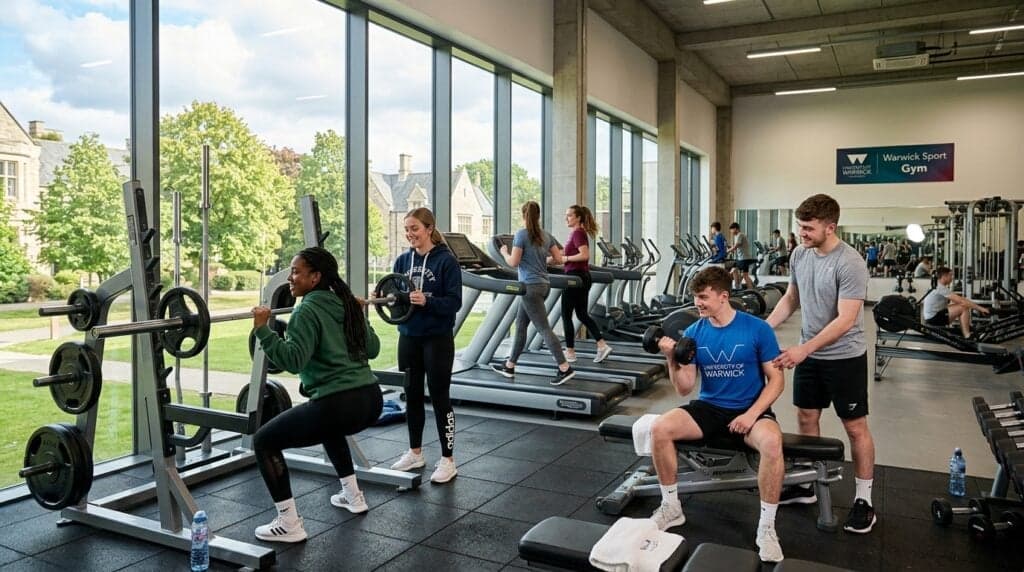
The tour is your chance to demonstrate value before you ever mention price. Walk the visitor through your gym at a comfortable pace, and tailor the route based on what you learned during discovery. If they mentioned wanting to lose weight, show them the cardio area and explain how your classes support that goal. If they are interested in strength, spend time in the free weights section and introduce the trainer who runs your lifting programme.
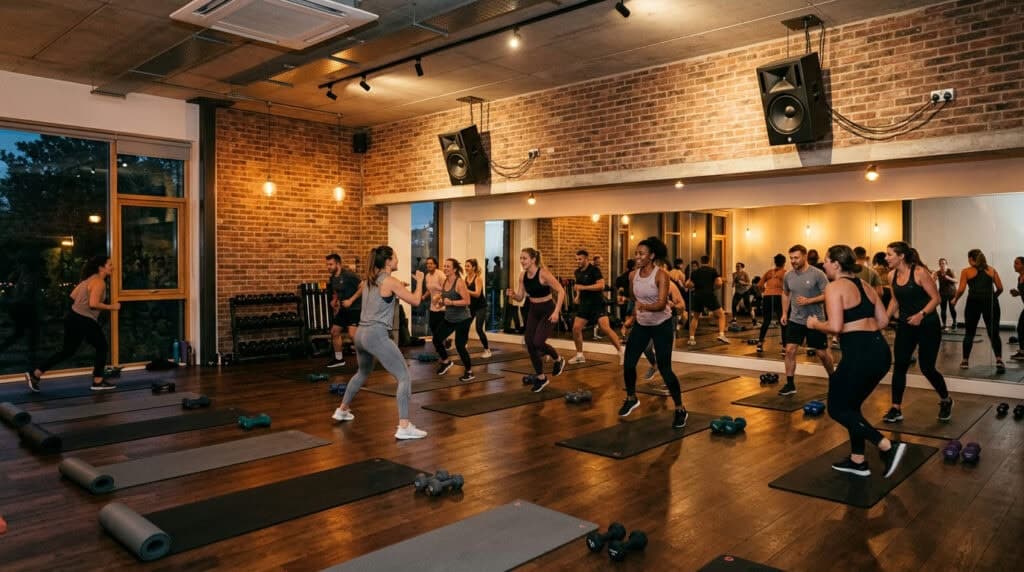
Cleanliness matters more than most gym owners realise. A spotless facility signals professionalism and attention to detail. Energy matters too — the atmosphere in your gym when a prospect visits is a selling tool in itself. Introduce them to staff and members you pass along the way. A friendly “hello” from an existing member who looks happy and fit is more persuasive than anything you could say about your community.
Step 4: Present the Offer and Close
Only now do you talk about pricing — and when you do, present value before numbers. Summarise what the visitor told you during discovery, then connect each of their needs to a specific feature of your membership. If they said they need flexibility, explain your rolling monthly contract. If they mentioned wanting support, highlight the personal training sessions included in your package.
When you show pricing, anchor with annual options first, then present monthly as an alternative. This makes the monthly figure feel smaller in comparison. For example, “our annual membership works out at £29 per month, or you can go month-to-month at £35.” Always frame the cost in context — a daily coffee costs more than most gym memberships, and the value of regular exercise far outweighs the expense.
Ask for the commitment directly. “Based on what you have told me, I think this membership is the right fit for you. Shall we get you set up today?” Many gym owners feel awkward asking and hope the prospect will volunteer. They rarely do.
Step 5: Follow Up
Not every visitor signs up on the spot, and that is normal. The difference between a gym that converts at 20 percent and one that converts at 50 percent is often the follow-up. Send a personalised email or WhatsApp message within 24 hours. Reference something specific from your conversation — the goal they mentioned, the class they were interested in — and include a gentle call to action. A free trial offer or a limited-time founding rate creates same-day urgency that converts maybes into members.
Handling Common Objections
“It is too expensive.” Reframe the cost. A £35 monthly membership is roughly £1.15 per day — less than a single coffee from most high-street chains. Compare it to what they already spend on things that do not improve their health. Frame it as an investment in themselves, not an expense.
“I will think about it.” This usually means they have not yet seen enough value to justify the decision. Resist the urge to push harder. Instead, offer a low-commitment next step — a free trial, a guest pass for a week, or an invitation to a specific class. Make it easy for them to come back without feeling pressured. Then follow up within 24 hours.
“I am not sure it is for me.” The best response to this objection is a free trial. Let them experience the gym without any financial commitment. If your facility is genuinely good and your community is welcoming, the trial will sell the membership for you. Most people who use a free trial and have a positive experience will convert — provided someone follows up with them.
Getting Warm Leads Through Your GymPal Listing
The hardest part of selling gym memberships is finding people who are already motivated to join. Cold calling, door drops, and social media advertising generate leads at various levels of intent, but the warmest leads are the ones who come to you — people actively searching for a gym in your area.
A claimed GymPal listing puts your gym in front of these motivated prospects. They arrive having already seen your facilities, read your description, and decided that your gym might be the right fit. When these leads walk through your door or send an enquiry, the sales process starts at step two, not step one. They have already done the initial research — your job is to build rapport, confirm their needs, and close.
Claim your free GymPal listing today — over 10,000 UK fitness businesses are already listed, and claiming your profile ensures that when someone finds you, they see complete information, real photos, and a direct way to get in touch. For maximum visibility, the Pro plan at just £9 per month gives you priority placement on GymPal’s AI chatbot, putting your gym in front of even more local searchers. Learn why thousands of UK gym owners trust GymPal to bring warm leads to their door.

I am Adam Hall, a dedicated fitness professional with over ten years of experience in the UK’s fitness industry. I earned my Master’s degree in Sports Science from Loughborough University and have worked with several top fitness studios across the UK. My certifications include a Level 3 Personal Trainer Certificate and a specialised Strength and Conditioning Coach accreditation.
Starting my career as a personal trainer, I quickly moved up to manage multiple gym locations, overseeing their operations and training programs. Beyond managing gyms, I regularly contribute to well-known fitness magazines and have been featured in articles for “Health & Fitness” and “Men’s Health”. My passion also extends online where I run a popular blog on GymPal’s AI-powered directory platform detailing insights into choosing the right fitness venues across the UK. With hundreds of posts reaching thousands of readers monthly, my goal is to influence positive changes in how people approach health and exercise throughout the country.