How to Spot a Quality Gym Before You Sign Up: A UK Gym-Goer’s Checklist

Click Below To Share & Ask AI to Summarize This Article
Choosing a gym is a big decision. Whether you’re a complete beginner or a seasoned lifter looking for a new spot, the gym you pick will shape your fitness journey. But with so many options across the UK — from budget chains to boutique studios — how do you separate the great gyms from the mediocre ones?
If the gym looks well-stocked and everything appears to be in working order, that’s a strong sign the owners invest in their facility. Broken equipment that stays broken for weeks? That’s a red flag.
2. Cleanliness and Maintenance
This one might seem obvious, but you’d be surprised. Pay attention to these details during your visit:
- Are there spray bottles and paper towels available throughout the gym?
- Do the changing rooms and showers look (and smell) clean?
- Are the floors free of debris, chalk buildup, and stray weights?
- Is the air quality decent, or does it feel like you’re training in a sauna?
Cleanliness reflects how much a gym respects its members. If the basics aren’t maintained, you have to wonder what else is being neglected.
3. Space and Layout
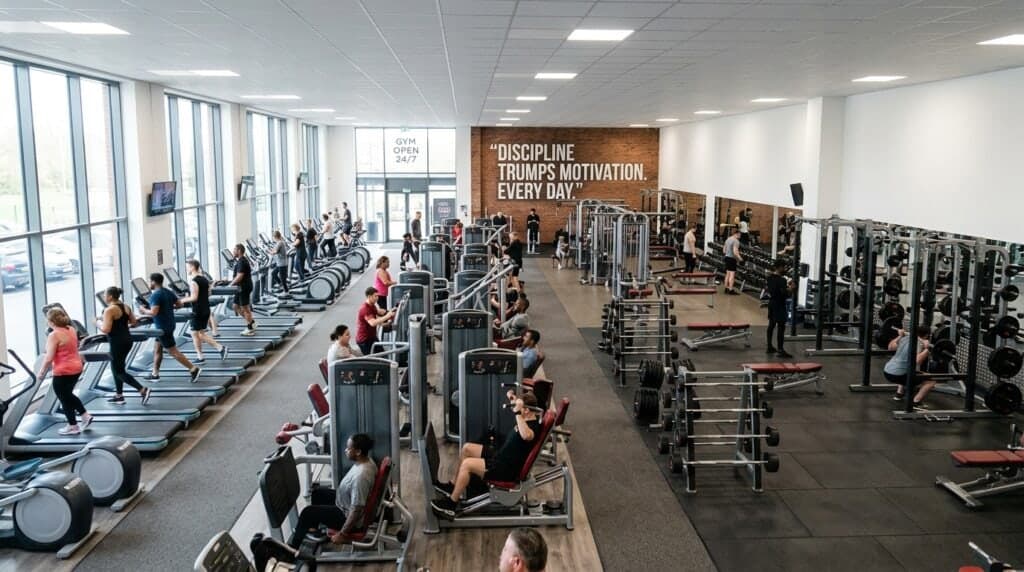
Cramped gyms are frustrating. You shouldn’t have to wait 20 minutes for a rack or feel like you’re training in someone’s pocket. Consider:
- Is there enough floor space between machines to move comfortably?
- Are the free weights, cardio, and functional areas clearly separated?
- Is there a dedicated stretching or warm-up area?
- Does the layout flow logically, or does it feel like equipment was placed wherever it would fit?
Visit during peak hours (typically 5–7pm on weekdays) to get an honest sense of how busy it gets. A gym that feels spacious at 2pm might be a completely different experience at 6pm.
4. Staff and Atmosphere
The people make the gym. A quality gym will have:
- Friendly, approachable staff who acknowledge you when you walk in
- Qualified personal trainers available if you want guidance
- A welcoming atmosphere for all fitness levels — not just the ripped regulars
- Clear signage showing how to use equipment safely
If you feel intimidated the moment you walk through the door, that gym probably isn’t the right fit. The best gyms in the UK create an environment where everyone — from day-one beginners to competitive athletes — feels like they belong.
5. Membership Terms and Hidden Costs
Read the fine print before you sign. Here’s what to look out for:
- Contract length: Are you locked in for 12 months, or is it a rolling monthly plan?
- Cancellation policy: How easy is it to leave if the gym isn’t working out?
- Joining fees: Some gyms charge an upfront fee on top of your monthly payment
- Extra charges: Are group classes included, or do they cost extra? What about parking, towel hire, or locker use?
- Price freezes: Does the contract guarantee your rate for the duration, or can they hike it mid-term?
A transparent gym will be upfront about all costs. If you have to dig through pages of terms and conditions to find the real price, proceed with caution.
6. Location and Opening Hours
The best gym in the world is useless if you never go. Be realistic about convenience:
- Is it close to home, work, or on your regular commute?
- Does it open early enough for pre-work sessions (ideally 6am or earlier)?
- Is it open on weekends and bank holidays?
- Is there adequate parking or good public transport links?
Research consistently shows that gym proximity is one of the biggest factors in whether people actually stick to their fitness routine. Choose a gym that fits into your life, not one that requires a special expedition.
7. Trial Before You Commit
Most reputable gyms will offer some form of trial — whether it’s a free day pass, a week-long trial, or a pay-as-you-go option. Take advantage of this. One session tells you more than any brochure or website ever could.
During your trial, pay attention to how you feel. Do you feel comfortable? Is the environment motivating? Can you see yourself coming here three or four times a week?
Find the Right Gym for You
Choosing a gym shouldn’t be a guessing game. With thousands of gyms across the UK — from independent local facilities to national chains — there’s a perfect fit for everyone. The key is knowing what to look for and not settling for less.
Ready to find a quality gym near you? GymPal is the UK’s fitness directory that helps you discover, compare, and connect with gyms in your area. Whether you’re after a budget-friendly chain, a specialist strength gym, or a boutique studio, GymPal makes it easy to find the right match for your goals and your budget. Start your search at askgympal.co.uk.

I am Adam Hall, a dedicated fitness professional with over ten years of experience in the UK’s fitness industry. I earned my Master’s degree in Sports Science from Loughborough University and have worked with several top fitness studios across the UK. My certifications include a Level 3 Personal Trainer Certificate and a specialised Strength and Conditioning Coach accreditation.
Starting my career as a personal trainer, I quickly moved up to manage multiple gym locations, overseeing their operations and training programs. Beyond managing gyms, I regularly contribute to well-known fitness magazines and have been featured in articles for “Health & Fitness” and “Men’s Health”. My passion also extends online where I run a popular blog on GymPal’s AI-powered directory platform detailing insights into choosing the right fitness venues across the UK. With hundreds of posts reaching thousands of readers monthly, my goal is to influence positive changes in how people approach health and exercise throughout the country.