The Rise of Women-Only Gyms in the UK: Why This Niche Is Booming (And How Gym Owners Can Tap In)
Click Below To Share & Ask AI to Summarize This Article
Women-Only Gyms Are Having a Moment — And It’s Not a Passing Trend
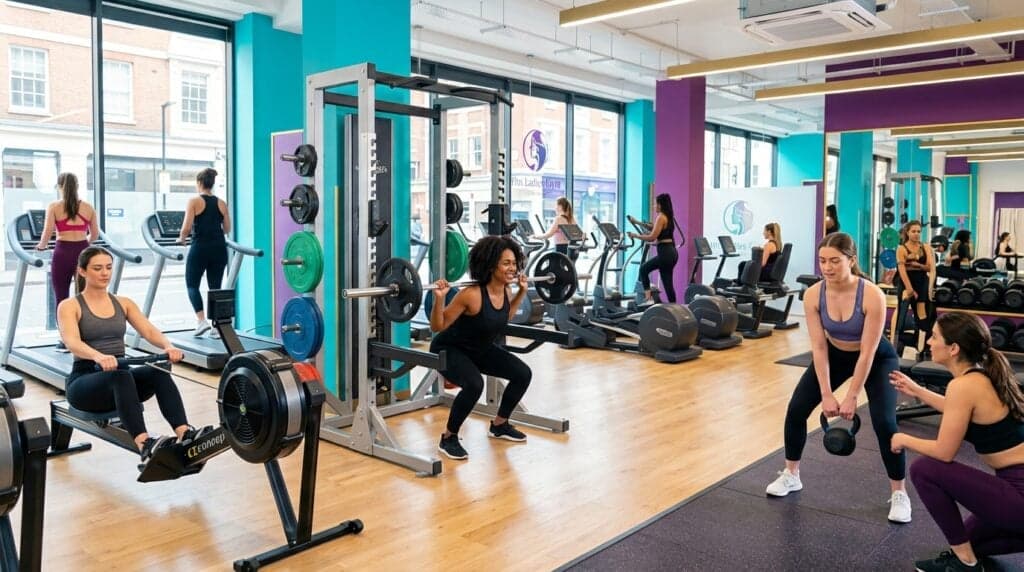
Walk into any women-only fitness studio across the UK right now and you’ll feel it immediately: the energy is different. There’s no waiting for the squat rack, no ego lifting, no uncomfortable stares. Just women — from complete beginners to seasoned athletes — training in an environment designed entirely around their needs.
And the numbers back up the vibe. Women-only gyms and fitness studios have seen a significant surge in demand across the UK over the past few years, driven by a growing awareness of the barriers women face in traditional mixed-gym environments. For gym owners, this isn’t just a social trend — it’s a genuine business opportunity.
Why Women Are Choosing Women-Only Spaces
The reasons go far beyond preference. Research consistently shows that a large percentage of women have experienced gym intimidation, with many citing overcrowding, lack of female-specific equipment, and uncomfortable interactions as key barriers to joining or staying at a gym.
The Confidence Factor
For many women — particularly those new to exercise — stepping into a busy gym for the first time can be genuinely daunting. Women-only spaces remove that psychological hurdle entirely. Members can focus on their workouts without worrying about being judged, watched, or interrupted.
This confidence boost translates directly into retention. When members feel comfortable, they show up more consistently, stay longer, and are far more likely to renew their memberships.
Community and Connection
Women-only gyms tend to foster stronger communities. Group classes become social events, members form training partnerships, and the overall atmosphere is collaborative rather than competitive. This sense of belonging is something many mixed gyms struggle to replicate — and it’s a powerful driver of word-of-mouth referrals.
Specialised Programming
Women have specific training needs that are often underserved in generic gym settings. From pre- and post-natal fitness to bone density training, pelvic floor health, and hormone-aware programming, women-only gyms can offer services that make members feel truly catered for.
The Business Case for Women-Only Gyms
If you’re a gym owner or thinking about opening a fitness business, here’s why the women-only model deserves your attention:
Lower Overhead, Higher Margins
Women-only studios don’t need the massive floor space of a full commercial gym. A well-equipped boutique space of 2,000–4,000 sq ft can be sufficient, significantly reducing rent and equipment costs. The focus on classes, personal training, and specialised programmes also allows for premium pricing.
Higher Member Retention
The combination of comfort, community, and specialised programming creates a sticky membership base. Women-only gyms frequently report retention rates well above the industry average, which means less spend on constant acquisition and more predictable revenue.
Underserved Markets Across the UK
While London and other major cities have a growing number of women-only options, there’s still significant demand in mid-sized towns and suburban areas across the UK. If your local area doesn’t have a dedicated women-only facility, there’s almost certainly an audience waiting for one.
How to Position Your Women-Only Gym for Success
1. Get Discoverable
The first step is making sure women in your area can actually find you. A free listing on GymPal puts your gym in front of thousands of people actively searching for fitness options in the UK. With GymPal’s directory, you can showcase your facilities, classes, and what makes your space unique — and potential members can even message you directly through your listing.
2. Highlight What Makes You Different
Make your women-only status a central part of your marketing. Use it in your GymPal listing, your website, and your social media. Be specific about the benefits: no intimidation, female trainers, women’s-specific programming, community atmosphere. The more clearly you communicate your value, the easier it is for the right members to find you.
3. Build a Strong Class Timetable
Classes are the backbone of most successful women-only gyms. Mix high-energy options (HIIT, boxing-inspired, dance fitness) with mindful offerings (yoga, Pilates, barre) and strength-focused sessions. Variety keeps members engaged and coming back.
4. Leverage Member Stories
Nothing sells a women-only gym like the experiences of real members. Encourage testimonials, share transformation stories (with permission), and create content around your community. Authenticity resonates strongly in this space.
5. Partner with Local Businesses
Connect with local women’s health practitioners, wellness brands, and community groups. Cross-promotion with complementary businesses — physios, nutritionists, activewear shops — can drive new members through your doors.
The Bottom Line
Women-only gyms aren’t a niche sideline — they’re a growing sector of the UK fitness industry with strong fundamentals. High retention, passionate communities, and underserved markets across the country make this one of the most compelling opportunities for gym owners right now.
If you’re running a women-only gym or thinking about starting one, make sure you’re visible to the people looking for you. Claim your free listing on GymPal today and start connecting with members who are actively searching for exactly what you offer.

I am Adam Hall, a dedicated fitness professional with over ten years of experience in the UK’s fitness industry. I earned my Master’s degree in Sports Science from Loughborough University and have worked with several top fitness studios across the UK. My certifications include a Level 3 Personal Trainer Certificate and a specialised Strength and Conditioning Coach accreditation.
Starting my career as a personal trainer, I quickly moved up to manage multiple gym locations, overseeing their operations and training programs. Beyond managing gyms, I regularly contribute to well-known fitness magazines and have been featured in articles for “Health & Fitness” and “Men’s Health”. My passion also extends online where I run a popular blog on GymPal’s AI-powered directory platform detailing insights into choosing the right fitness venues across the UK. With hundreds of posts reaching thousands of readers monthly, my goal is to influence positive changes in how people approach health and exercise throughout the country.