The Best Post-Workout Meals for UK Gym-Goers: What to Eat and When

Click Below To Share & Ask AI to Summarize This Article
You’ve just crushed a workout. Your muscles are fatigued, your energy stores are depleted, and your body is crying out for fuel. What you eat in the next hour can make a real difference to your recovery, your next session, and your long-term results.
But with so much conflicting advice out there, it’s hard to know what’s actually worth eating. Here’s a straightforward, no-nonsense guide to post-workout nutrition for UK gym-goers.
Getting the right balance helps you recover faster, reduces muscle soreness, and ensures you’re ready for your next session. Skimp on post-workout nutrition and you’ll feel it — in sluggish recovery, poor performance, and slower progress.
How Soon Should You Eat?
The old “anabolic window” myth suggested you had 30 minutes to eat or your workout was wasted. The reality is more forgiving. Current research shows that as long as you eat a balanced meal within 2 hours of finishing your workout, you’ll capture the recovery benefits.
That said, if you trained hard or fasted, eating sooner (within 30–60 minutes) is ideal. The key is consistency over timing perfection.
The Golden Ratio: Protein and Carbs
Aim for a ratio of roughly 1:2 to 1:3 protein to carbohydrates after a standard gym session. For a 70kg person, that’s roughly 25–35g of protein and 50–70g of carbohydrates.
If your goal is specifically muscle building (hypertrophy), lean slightly more towards protein. If you did an endurance session (long run, HIIT class), prioritise carbohydrates.
5 Easy Post-Workout Meals (Available Anywhere in the UK)
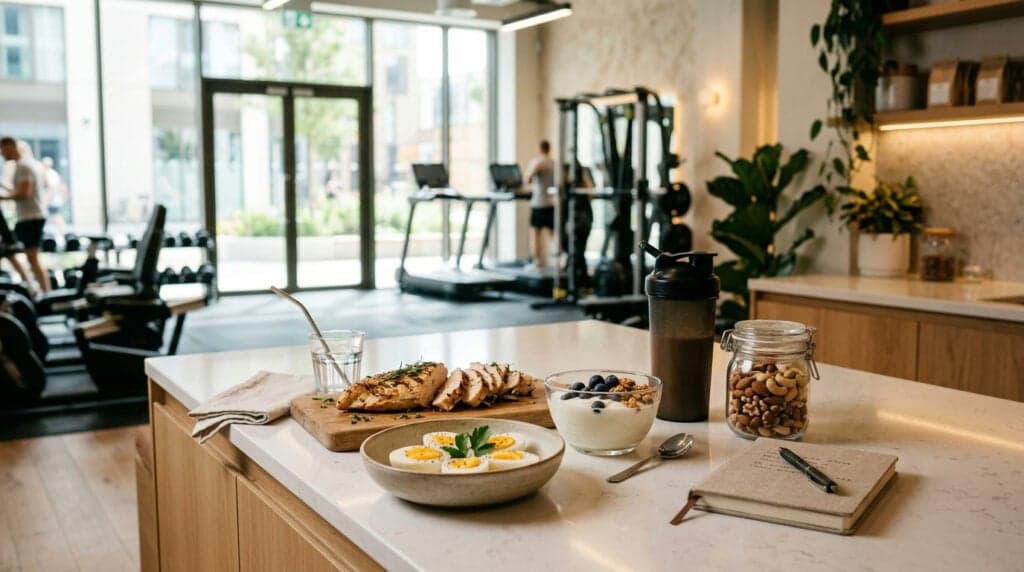
1. Grilled Chicken, Rice, and Roasted Vegetables
The classic bodybuilding staple — and for good reason. It’s cheap, easy to prepare, and hits the macro targets perfectly. Most UK supermarkets sell ready-to-eat versions if you’re short on time.
Approximate macros: 35g protein, 55g carbs, 10g fat
2. Scrambled Eggs on Wholemeal Toast
Quick, affordable, and packed with protein. Three large eggs on two slices of wholemeal toast gives you a solid recovery meal in under 10 minutes. Add a bit of spinach or tomatoes for extra micronutrients.
Approximate macros: 22g protein, 35g carbs, 15g fat
3. Greek Yoghurt with Banana and Honey
Perfect if you train in the morning or don’t have time to cook. Greek yoghurt is one of the most protein-dense dairy options available. The banana provides fast-digesting carbs and potassium, which helps prevent cramps.
Approximate macros: 20g protein, 45g carbs, 5g fat
4. Salmon Jacket Potato with Salad
Salmon brings omega-3 fatty acids, which have anti-inflammatory properties that support recovery. A medium jacket potato with a side salad is filling, nutritious, and easy to find at any UK pub, café, or supermarket meal deal.
Approximate macros: 30g protein, 40g carbs, 15g fat
5. Protein Shake and a Banana
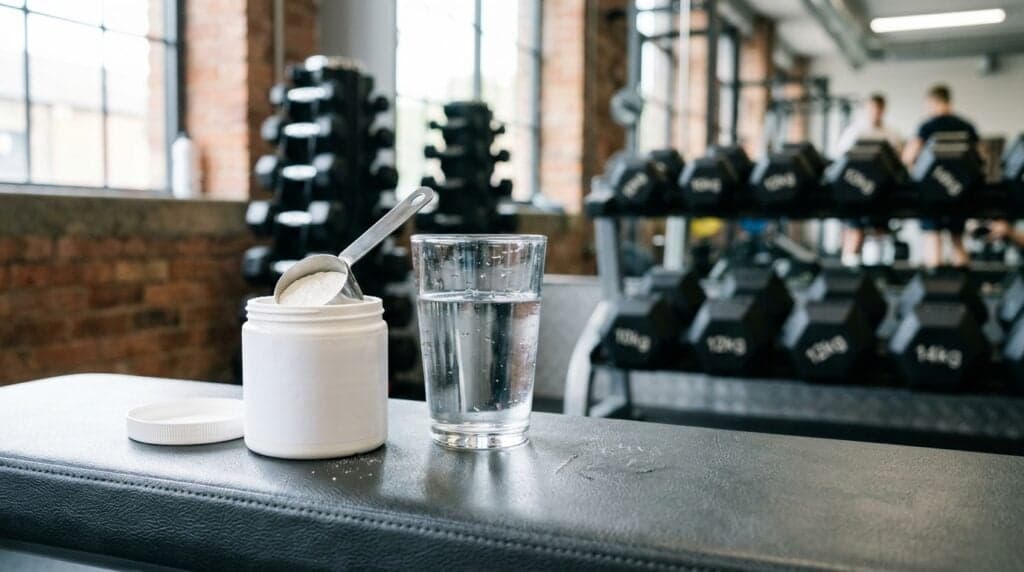
When you’re genuinely pushed for time, a quality whey protein shake with a banana is better than skipping a meal entirely. It’s not a replacement for whole foods, but it gets the job done. Keep a shaker and powder in your gym bag.
Approximate macros: 25g protein, 30g carbs, 2g fat
What to Avoid After Training
Not everything marketed as “healthy” helps recovery. Post-workout, try to limit:
- High-fat meals — fat slows down protein and carb absorption. A fry-up straight after training isn’t ideal (save it for a rest day)
- Alcohol — impairs muscle protein synthesis and dehydrates you. Celebrate your PB later, not immediately after
- Sugary processed snacks — a bit of sugar is fine for quick energy, but don’t rely on chocolate bars and crisps as your recovery nutrition
Meal Prep: Your Secret Weapon
The easiest way to stay consistent with post-workout nutrition is meal prep. Spend an hour on Sunday cooking batches of rice, chicken, and roasted vegetables. Portion them into containers and you’ve got post-workout meals sorted for the week.
Many UK gyms now have microwaves available, so you can bring your prepped meal with you. If you’re choosing a gym with good facilities, GymPal can help you compare options in your area and find one that suits your lifestyle.
Hydration: Don’t Forget It
Food is only part of the equation. Replacing fluids lost through sweat is just as important. Aim to drink at least 500ml of water within the first hour after training, more if you sweated heavily.
If you had a particularly long or intense session, consider an electrolyte drink. UK brands like Science in Sport and High5 offer affordable options that are easy to find.
The Bottom Line
Post-workout nutrition doesn’t need to be complicated or expensive. Focus on getting a decent amount of protein and carbohydrates within a couple of hours of training, stay hydrated, and be consistent. The best post-workout meal is the one you’ll actually eat regularly.
Looking for a gym with good facilities — including microwaves, changing rooms, and everything you need to support your training routine? Search Gyms on GymPal to find the right fit in your area.

I am Adam Hall, a dedicated fitness professional with over ten years of experience in the UK’s fitness industry. I earned my Master’s degree in Sports Science from Loughborough University and have worked with several top fitness studios across the UK. My certifications include a Level 3 Personal Trainer Certificate and a specialised Strength and Conditioning Coach accreditation.
Starting my career as a personal trainer, I quickly moved up to manage multiple gym locations, overseeing their operations and training programs. Beyond managing gyms, I regularly contribute to well-known fitness magazines and have been featured in articles for “Health & Fitness” and “Men’s Health”. My passion also extends online where I run a popular blog on GymPal’s AI-powered directory platform detailing insights into choosing the right fitness venues across the UK. With hundreds of posts reaching thousands of readers monthly, my goal is to influence positive changes in how people approach health and exercise throughout the country.