Why Rest Days Are Non-Negotiable: The Science Behind Recovery and Muscle Growth

Click Below To Share & Ask AI to Summarize This Article
If you’re hitting the gym five, six or even seven days a week and wondering why your progress has stalled, the answer might not be more training — it might be more rest. Rest days are one of the most underrated elements of any fitness programme, yet they’re essential for muscle repair, injury prevention, and long-term motivation. and testosterone (repair)
Skip the rest and you’re essentially tearing down without ever rebuilding.
How Many Rest Days Do You Need?
There’s no single answer, but most UK-based fitness professionals recommend at least one to two full rest days per week. Here’s a rough guide based on training intensity:
- Beginners (0–6 months): 2–3 rest days per week. Your body is adapting to entirely new stresses.
- Intermediate (6–24 months): 1–2 rest days per week, with at least one deload week every 6–8 weeks.
- Advanced (2+ years): 1 rest day per week minimum, plus scheduled deload periods. Even elite athletes programme recovery.
If you’re consistently feeling fatigued, sore for days on end, or seeing your performance plateau, that’s your body telling you to ease off.
Active Recovery vs. Full Rest
Not all rest days need to mean sitting on the sofa. Active recovery — light movement that gets blood flowing without taxing your muscles — can actually speed up the repair process. Good options include:
- A brisk 20–30 minute walk
- Gentle yoga or mobility stretching
- Swimming at a relaxed pace
- Light cycling
- Foam rolling and targeted stretching
The key is keeping your heart rate low and avoiding anything that leaves you sore afterwards. Think of it as lubricating the joints and flushing out waste products, not burning calories.
Signs You’re Not Resting Enough
Overtraining syndrome is real and can set your progress back by weeks or months. Watch out for these warning signs:
- Persistent soreness — muscles that never fully recover between sessions
- Stalled strength gains — you can’t increase your weights or reps despite consistent effort
- Poor sleep — ironically, overtraining can disrupt the very sleep you need for recovery
- Mood changes — irritability, lack of motivation, or feeling “flat”
- Frequent illness — a suppressed immune system is a classic overtraining symptom
- Elevated resting heart rate — check yours first thing in the morning; a rise of 5–10 bpm can indicate inadequate recovery
If more than two of these sound familiar, schedule a full week of reduced training or complete rest.
Nutrition on Rest Days Matters Too
A common mistake is slashing calories on rest days because you’re not burning as much. Don’t. Your body needs protein, carbohydrates and healthy fats to repair tissue and replenish energy stores. In fact, your protein requirements remain just as high on rest days as they do on training days.
Aim for:
- 1.6–2.2g of protein per kg of bodyweight spread across meals
- Plenty of hydrating fluids — water, herbal teas, electrolyte drinks if you sweat heavily
- Complex carbohydrates like oats, sweet potatoes and brown rice to refuel glycogen
- Anti-inflammatory foods — oily fish, berries, leafy greens, nuts and seeds
Making Rest Work for Your Schedule
The best rest day is the one you actually take. Plan your week so that rest days are built into your routine rather than something you squeeze in when you feel broken. A popular split for UK gym-goers training four days a week looks like this:
- Monday: Upper body
- Tuesday: Lower body
- Wednesday: Rest or active recovery
- Thursday: Push / pull
- Friday: Full body or cardio
- Saturday: Rest
- Sunday: Rest or light activity
The exact split matters less than the consistency. Pick something sustainable and stick with it for at least eight weeks before reassessing.
Find the Right Gym for a Balanced Programme
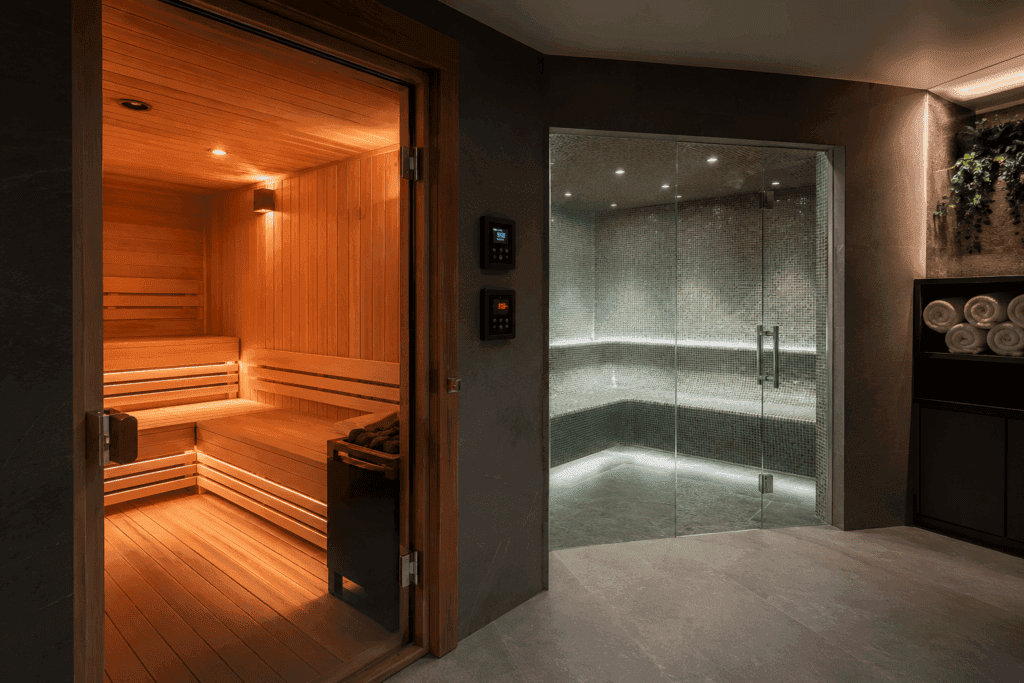
A good rest day strategy only works if your training days are equally well-planned. That starts with choosing a gym that suits your goals, schedule and budget. Whether you need 24-hour access for early-morning sessions, a well-equipped free weights area, or recovery facilities like a sauna and stretch zone, GymPal makes it easy to search and compare gyms across the UK.
GymPal lists thousands of fitness facilities — from budget-friendly chains to boutique studios — with details on equipment, opening hours, pricing and member reviews. It’s the quickest way to find a gym that fits your life, so you can train hard on your training days and actually enjoy your rest days.
The Bottom Line
Rest isn’t laziness — it’s where the magic happens. Every personal trainer, physio and sports scientist worth listening to will tell you the same thing: you don’t get fitter while you train, you get fitter while you recover from training. So next time you feel guilty about skipping a session, remember that your rest day might be the most productive thing you do all week.
Train hard, recover harder, and use tools like GymPal to find the perfect gym for your fitness journey.

I am Adam Hall, a dedicated fitness professional with over ten years of experience in the UK’s fitness industry. I earned my Master’s degree in Sports Science from Loughborough University and have worked with several top fitness studios across the UK. My certifications include a Level 3 Personal Trainer Certificate and a specialised Strength and Conditioning Coach accreditation.
Starting my career as a personal trainer, I quickly moved up to manage multiple gym locations, overseeing their operations and training programs. Beyond managing gyms, I regularly contribute to well-known fitness magazines and have been featured in articles for “Health & Fitness” and “Men’s Health”. My passion also extends online where I run a popular blog on GymPal’s AI-powered directory platform detailing insights into choosing the right fitness venues across the UK. With hundreds of posts reaching thousands of readers monthly, my goal is to influence positive changes in how people approach health and exercise throughout the country.