Bootcamp for Weight Loss UK: Does It Actually Work?
Click Below To Share & Ask AI to Summarize This Article
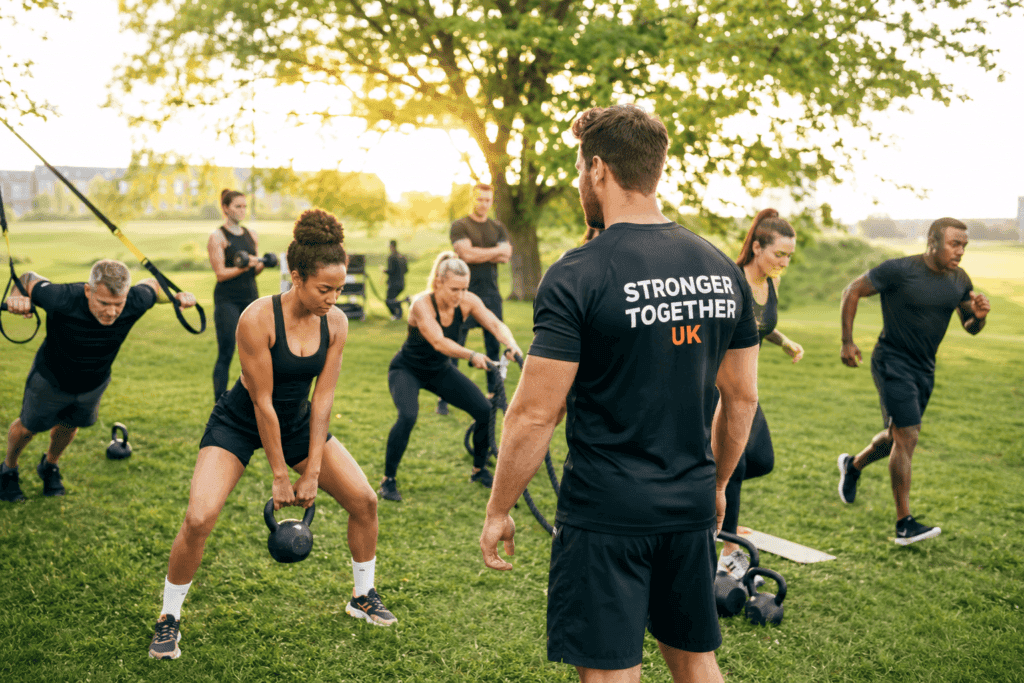
Walk into any park on a Tuesday morning and you’ll likely spot it: a group of people in gym kit, working through burpees and kettlebell swings while a coach shouts encouragement from the sidelines. Bootcamp classes have become one of the most popular fitness formats in the UK — and if you’re looking to shift some weight, you might be wondering whether they actually deliver.
The honest answer? Yes — but not always in the way people expect. Bootcamp can be a genuinely powerful tool for fat loss, but only if you understand why it works and how to use it properly. Here’s the full picture, no marketing fluff included.
What Exactly Is a Bootcamp Class?
Despite what the name might suggest, you don’t need to be ex-military or particularly fit to try a bootcamp class. In the UK, bootcamp typically refers to a group fitness session — usually 45 to 60 minutes — that combines cardiovascular exercise with resistance training in a circuit or interval-based format.
You might do a round of squat jumps followed by press-ups, then sprint to a cone and back before hitting a set of resistance band rows. The variety is the point: bootcamp keeps your body guessing and your heart rate elevated throughout the session.
Classes run both outdoors (in parks, on beaches, and in sports grounds) and indoors (in leisure centres and dedicated studios). Outdoor sessions tend to be cheaper and are available year-round across most of the UK — though you’ll want a decent waterproof jacket between October and April. Prices typically range from £5 to £15 per session, with monthly passes often bringing the per-session cost down to under £7.
The Science Behind Bootcamp and Fat Loss
Bootcamp works for weight loss because it combines two training types that are both effective individually — but more powerful together.
Cardiovascular training (the sprinting, jumping, and high-intensity cardio elements) burns calories during the session. Resistance training (the press-ups, squats, and kettlebell movements) builds muscle tissue, which raises your resting metabolic rate — meaning you burn more calories even when you’re doing nothing at all.
This combination is sometimes called concurrent training in sports science, and multiple studies have found it produces greater improvements in body composition than either cardio or strength training in isolation. Your body gets a metabolic double hit: calories burned now, plus a faster metabolism for hours afterwards.
The “afterburn effect” — technically known as excess post-exercise oxygen consumption, or EPOC — is particularly strong with high-intensity interval formats like bootcamp. After an intense session, your body continues consuming oxygen at an elevated rate for up to 24 hours as it repairs muscle tissue and restores energy stores. The harder you push during class, the longer this effect lasts.
How Many Calories Does a Bootcamp Session Burn?
This varies depending on your weight, fitness level, session intensity, and how hard you actually work — but typical estimates for a 60-minute bootcamp session range from 400 to 600 calories for most adults. Some higher-intensity sessions can push beyond 700 calories.
For context, that’s roughly equivalent to an hour of moderate cycling or a 10km run. The advantage bootcamp has over steady-state cardio is that it achieves this calorie burn while simultaneously building strength — something a long run doesn’t do.
The crucial phrase there is “how hard you actually work.” Bootcamp classes are as effective as you make them. If you’re half-heartedly jogging between stations and resting longer than the instructor suggests, you won’t get the full benefit. The people in bootcamp classes who see the best fat loss results are the ones who consistently push into their discomfort zone.
Bootcamp vs the Gym: Which Is Better for Weight Loss?
It depends on what you actually do when you get there — but bootcamp has some structural advantages that many people find decisive.
First, accountability. When you’re in a group session with a coach watching, it’s much harder to give up. The social dynamic of training alongside other people — even strangers — is a genuine motivator. Research consistently shows that people exercise harder and for longer in group settings than alone.
Second, programme design. Bootcamp removes the decision fatigue of planning your own workouts. The coach has designed the session for you; you just show up and execute. Many gym-goers waste valuable training time wandering between machines without a clear programme, which means less effective training and slower results.
Third, variety. Boredom is one of the top reasons people quit the gym. Bootcamp sessions change constantly — different movements, intervals, and equipment — which keeps things engaging week after week.
That said, you don’t have to choose. Many people combine bootcamp two or three times a week with HIIT classes UK-wide that target different energy systems — and that combination tends to produce the fastest body composition changes. The key is hitting each session with intent rather than just going through the motions.
How Often Should You Do Bootcamp to Lose Weight?
Two to three sessions per week is the sweet spot for most people. This gives you enough training stimulus to make consistent progress while allowing adequate recovery between sessions — and recovery matters more than most people realise.
- Beginners: Start with two sessions per week. Give yourself at least 48 hours between bootcamp classes. Use off days for light walking or gentle stretching.
- Intermediate: Three sessions per week works well once your fitness base is established. You might notice a performance plateau after a few months — this is normal and usually resolved by increasing session intensity or mixing in other training formats.
- Advanced: Some people attend four or five sessions per week, but recovery becomes critical at this frequency. Active rest days — swimming, yoga, or light cycling — help maintain momentum without burning out.
The NHS physical activity guidelines recommend adults complete at least 150 minutes of moderate-intensity activity per week, or 75 minutes of vigorous activity. Three 60-minute bootcamp sessions easily clears that target — and when you’re pushing hard in class, you’re firmly in vigorous territory.
What to Expect at Your First Bootcamp Class
If you’ve never done bootcamp before, the prospect can feel intimidating. It shouldn’t. Here’s what typically happens at a UK session:
Warm-up (10 minutes): Most coaches start with dynamic stretching, light jogging, and mobility work to prime your joints and raise your heart rate gradually.
Main circuit (35–40 minutes): This is the meat of the session. You’ll cycle through a series of stations or exercises, typically working for 30–45 seconds at each before a brief rest. Expect a mix of bodyweight movements (burpees, press-ups, lunges), resistance work (kettlebells, resistance bands, medicine balls), and cardiovascular elements (shuttle runs, star jumps, battle ropes).
Cool-down (5–10 minutes): A good coach ends with a proper cool-down — static stretching and breathing exercises to bring your heart rate down and reduce next-day soreness.
The first session will feel hard. That’s fine. The second will feel slightly less hard. By week three, you’ll be pushing through challenges you couldn’t have managed on day one. That progression is what drives fat loss.
Wear trainers with good lateral support — cross-trainers are better than road running shoes for multi-directional movement. Bring water and a small towel. For outdoor sessions anywhere in England or Scotland between October and April, layers and something waterproof are non-negotiable.
Do You Need to Combine Bootcamp with Strength Training?
For most people, the resistance elements built into bootcamp sessions provide a reasonable strength stimulus — especially in the early months. But if fat loss is your primary goal, adding one or two dedicated strength sessions per week can significantly accelerate your results.
The reason is simple: more muscle means a higher resting metabolic rate, which means your body burns more calories around the clock — not just during exercise. Strength training for women in the UK is particularly effective at preserving lean muscle during a calorie deficit, which is the real secret to sustainable fat loss that doesn’t rebound the moment you ease up on the bootcamp sessions.
You don’t need a complicated programme. Two 45-minute sessions per week in the gym, focused on compound lifts (squats, deadlifts, rows, and press), is enough to complement your bootcamp training without overdoing volume.
How to Find Bootcamp Classes Near You in the UK
Bootcamp classes run in most UK towns and cities, but finding a genuinely good one can take some trial and error. Here’s what to look for:
- A qualified coach: Look for instructors with at least a Level 3 Personal Training qualification or a specific bootcamp or group fitness certification. Don’t be shy about asking — any decent coach will be happy to share their credentials.
- Manageable group sizes: Classes of 20 or more people are fine for motivation, but smaller groups (8–15) mean more individual attention and better form coaching — which matters if you’re new and want to avoid injury.
- A free trial: Most reputable UK bootcamp operators offer a free or reduced-price first session. If they don’t, that’s worth noting.
- Progression built in: Good bootcamp programmes get harder over time. Ask whether sessions evolve or whether every week follows the same format indefinitely.
GymPal is a free UK-wide fitness venue finder with over 40 bootcamp providers listed across England, Scotland, and Wales. You can search by location, session type, and price to find something that fits your schedule — from park sessions in Manchester and Bristol to early-morning classes in rural Kent and the Scottish Highlands.
If you want individual coaching alongside group sessions, the guide to finding a personal trainer in the UK covers what qualifications to look for and what a fair price looks like in your area — useful context for anyone thinking about pairing one-to-one PT with regular bootcamp classes.
The Bottom Line
Bootcamp classes are one of the most time-efficient ways to lose body fat in the UK. The combination of high-intensity cardio and resistance training in a structured group format produces real results — and the community aspect is what keeps most people showing up consistently, which is ultimately what matters most.
Two or three sessions a week, a moderate calorie deficit, and a genuine commitment to working hard when it counts. That’s the formula. Bootcamp just makes the process a lot less miserable than grinding through the same solo treadmill session every morning.
Find bootcamp classes near you across the UK with GymPal — free to use, no account required.

I am Adam Hall, a dedicated fitness professional with over ten years of experience in the UK’s fitness industry. I earned my Master’s degree in Sports Science from Loughborough University and have worked with several top fitness studios across the UK. My certifications include a Level 3 Personal Trainer Certificate and a specialised Strength and Conditioning Coach accreditation.
Starting my career as a personal trainer, I quickly moved up to manage multiple gym locations, overseeing their operations and training programs. Beyond managing gyms, I regularly contribute to well-known fitness magazines and have been featured in articles for “Health & Fitness” and “Men’s Health”. My passion also extends online where I run a popular blog on GymPal’s AI-powered directory platform detailing insights into choosing the right fitness venues across the UK. With hundreds of posts reaching thousands of readers monthly, my goal is to influence positive changes in how people approach health and exercise throughout the country.