Budget vs Premium Gyms in the UK: Which Is Right for You?
Click Below To Share & Ask AI to Summarize This Article
Budget or Premium? The UK Gym Dilemma
Walk into any town centre in the UK and you will see the same choice: a £20-a-month budget gym on one corner, and a £80-a-month premium facility on the other. Both have treadmills. Both have weights. So what are you actually paying for — and is it worth it?
The answer depends entirely on what you need from a gym. Here is an honest breakdown to help you decide.
What You Get with a Budget Gym (£15–£30/month)
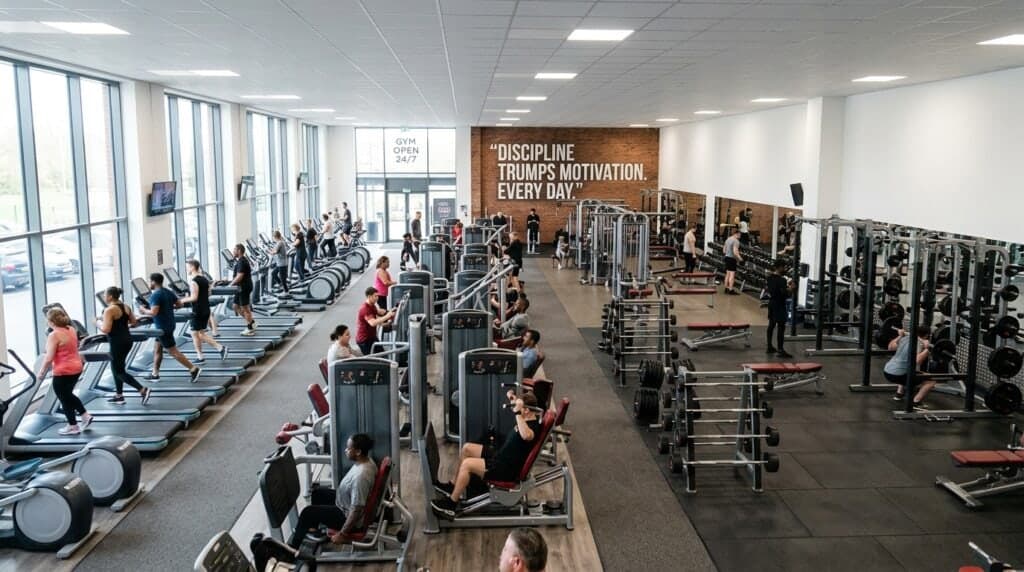
Budget chains like PureGym, The Gym Group, and Anytime Fitness have transformed the UK fitness market. Their model is simple: keep costs low, pass the savings on, and rely on volume. According to NHS physical activity guidelines
The Pros
- Price: The biggest advantage. Some memberships start from under £15/month with no contract.
- Convenience: Budget gyms are everywhere. There are over 500 PureGym locations alone, and most are open 24/7.
- No pressure: Rolling monthly contracts mean you can cancel anytime. No hard sell, no cancellation fees.
- Decent equipment: You will find all the essentials — free weights, cardio machines, racks, and functional areas.
The Cons
- Can get crowded: Peak hours (6–8am, 5–7pm) can mean waiting for machines.
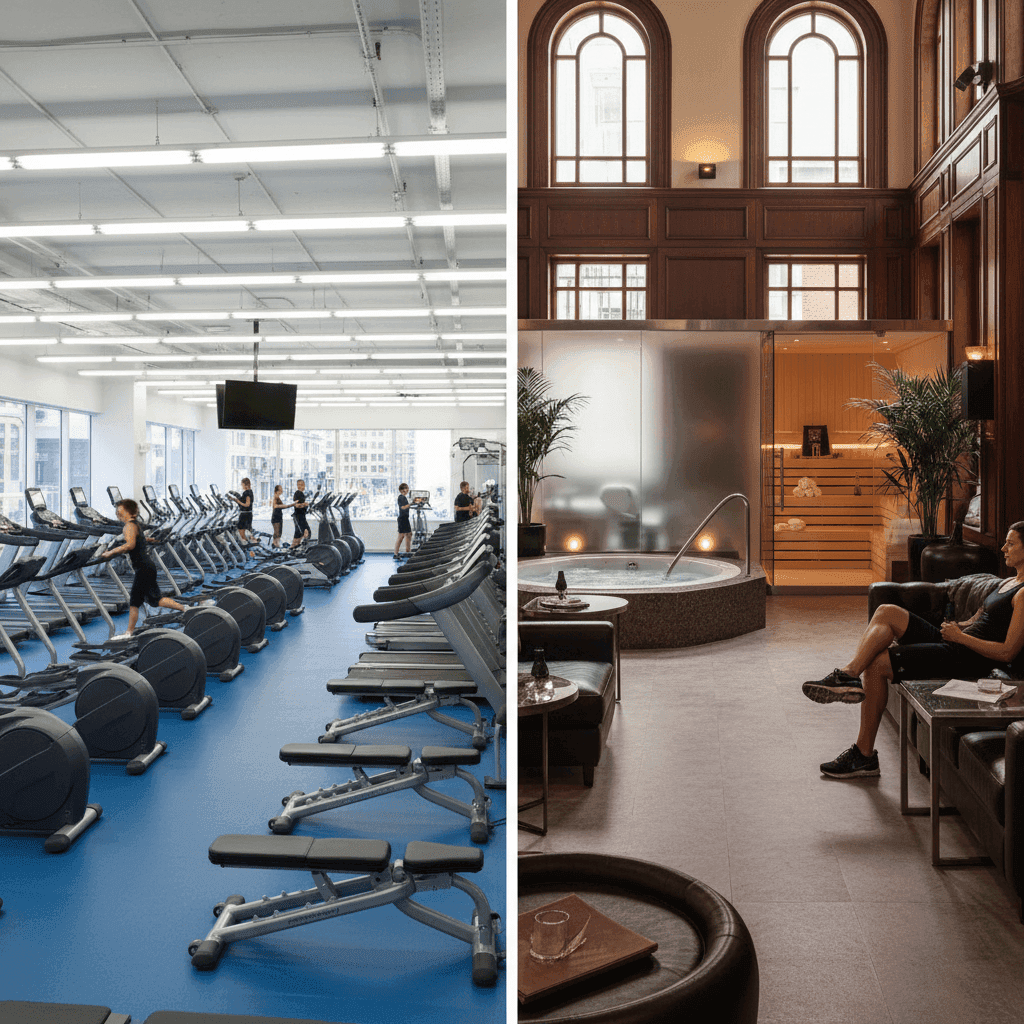
- Fewer extras: No pool, no sauna, no steam room, no classes included.
- Limited support: Do not expect much staff availability or personalised guidance.
- Bare-bones changing rooms: Functional but not luxurious.
What You Get with a Premium Gym (£50–£120+/month)
Premium gyms — think David Lloyd, Nuffield Health, Virgin Active, or high-end independent facilities — position themselves as lifestyle destinations rather than just places to work out.
The Pros
- Facilities: Swimming pools, saunas, steam rooms, tennis courts, and spa areas are standard.
- Group classes: Unlimited access to yoga, spinning, HIIT, Pilates, and more — often with specialist instructors.
- Community feel: Smaller member base means you see familiar faces and build relationships.
- Support and extras: Personal training options, nutrition advice, physiotherapy, and on-site cafes.
The Cons
- Cost: A serious monthly commitment, often with a 6–12 month contract.
- Less flexible: Fewer locations and set opening hours (no 24/7 access).
- Overkill for some: If you just want to lift weights three times a week, you are paying for a lot you will not use.
The Third Option: Independent and Boutique Gyms
Do not overlook the middle ground. Independent gyms and boutique studios often offer the best of both worlds — competitive pricing with a personal touch.
These are the gyms that know their members by name, run specialised classes you will not find anywhere else, and genuinely care about your progress. They might not have a swimming pool, but they often have something better: a community that keeps you coming back.
The best way to find these hidden gems is to use a fitness directory like GymPal. You can search by location, filter by gym type, read what other members say, and compare prices — all in one place. Whether you are looking for a £15 budget option or a £100 premium experience, GymPal can help you find the right fit for your goals and your budget.
So Which Should You Choose?
Ask yourself these three questions:
- How often will I actually go? If it is 2–3 times a week for basic workouts, a budget gym is probably fine.
- Do I care about classes and extras? If swimming, yoga, or a spa visit is part of your routine, premium makes sense.
- What is my budget realistically? Do not sign up for £80/month if you will feel it. A £20 gym you actually use beats a £100 gym you avoid.
The Bottom Line
There is no wrong answer — only the wrong match. The best gym for you is the one you will actually show up to, week after week. Start by comparing what is available in your area, read reviews from real members, and do not be afraid to ask for a trial session before committing.
Ready to find your perfect gym? Search on GymPal to compare gyms near you — budget, premium, and everything in between.

I am Adam Hall, a dedicated fitness professional with over ten years of experience in the UK’s fitness industry. I earned my Master’s degree in Sports Science from Loughborough University and have worked with several top fitness studios across the UK. My certifications include a Level 3 Personal Trainer Certificate and a specialised Strength and Conditioning Coach accreditation.
Starting my career as a personal trainer, I quickly moved up to manage multiple gym locations, overseeing their operations and training programs. Beyond managing gyms, I regularly contribute to well-known fitness magazines and have been featured in articles for “Health & Fitness” and “Men’s Health”. My passion also extends online where I run a popular blog on GymPal’s AI-powered directory platform detailing insights into choosing the right fitness venues across the UK. With hundreds of posts reaching thousands of readers monthly, my goal is to influence positive changes in how people approach health and exercise throughout the country.