How Independent Gyms in the UK Can Compete with Big Chains: A Practical Guide
Click Below To Share & Ask AI to Summarize This Article
If you run an independent gym in the UK, you already know the feeling. A new budget chain opens down the road with a £9.99 monthly deal, shiny kit, and a marketing budget that could fund your business for a year. Meanwhile, you’re working out how to hold on to the members you’ve got.
The good news? Independent gyms have real advantages that big chains simply cannot replicate. You just need to know how to use them. Here’s a practical guide to competing — and winning — as an independent gym owner in the UK.
Know What Makes You Different
Big chains compete on price and convenience. They offer rows of identical machines, long opening hours, and cheap sign-up deals. But they struggle with the things that actually keep members loyal: personal connection, specialist expertise, and community.
Your independent gym can offer all three. The trick is to make sure people know about it.
1. Build a Genuine Community
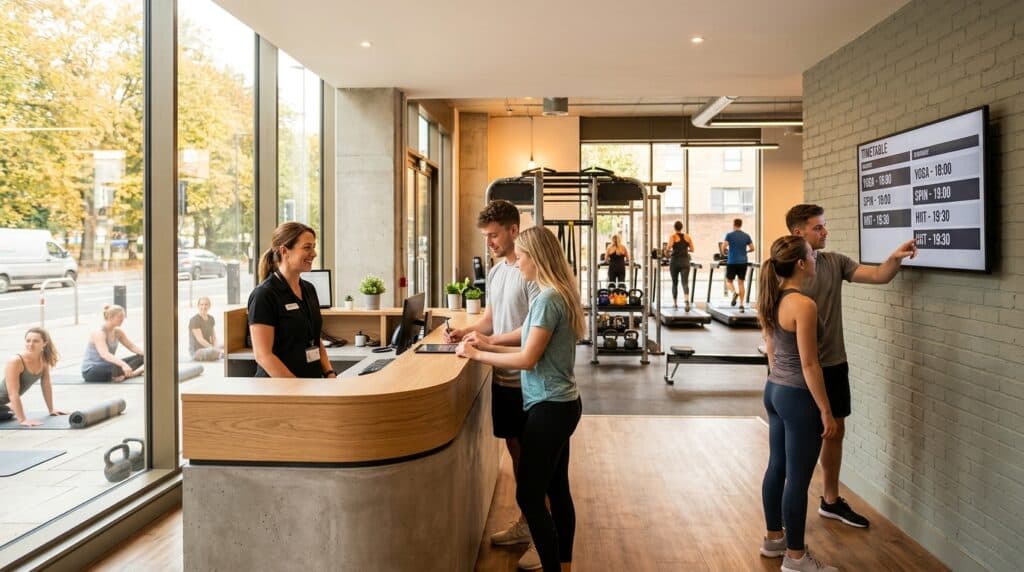
This is your biggest weapon. Large gyms are anonymous by design — members swipe in, train alone, and leave. An independent gym can be somewhere people actually want to spend time.
- Host regular events: Saturday morning group sessions, charity fitness challenges, or member spotlights on social media. These build loyalty that no £9.99 deal can break.
- Know your members by name: It sounds simple, but greeting people personally is one of the top reasons members stay at a gym long term.
- Create a members’ group: A WhatsApp or Facebook group for your gym creates belonging and encourages word-of-mouth referrals.
2. Offer What the Chains Cannot
Think about services that require expertise and personal attention — exactly the things chains cut corners on:
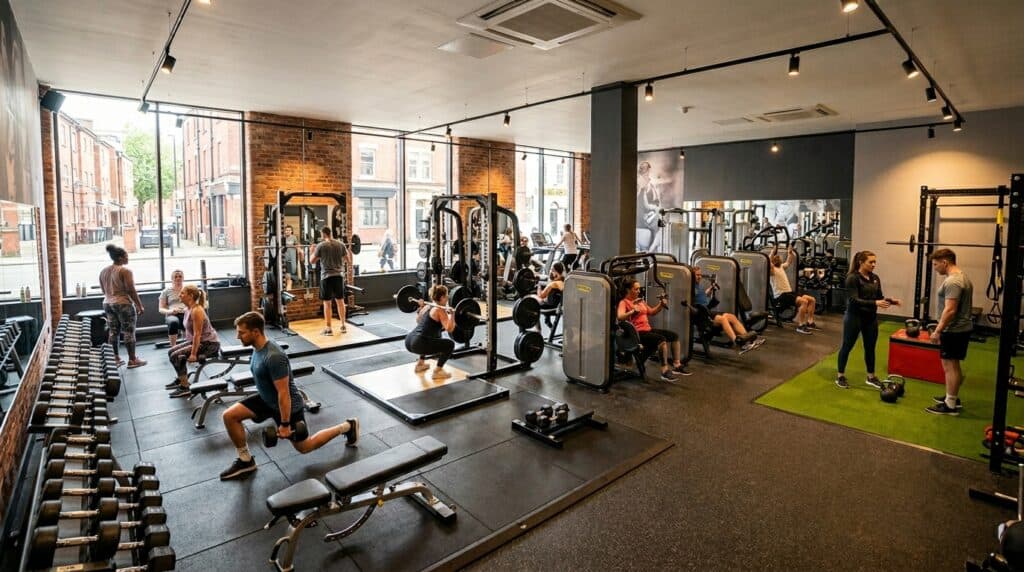
- Small group training: Cap classes at 8-10 people so members get real coaching, not just someone shouting at the front of a packed room.
- Specialist programmes: Beginners’ strength courses, over-50s fitness, or sport-specific conditioning. Niche offerings attract dedicated members who are happy to pay a fair price.
- Flexible memberships: Offer day passes, class bundles, and off-peak discounts. Not everyone wants a 12-month direct debit.
3. Make Your Online Presence Work Harder
If someone searches “gym near me” in your area, do you show up? Many independent gyms rely on foot traffic and word of mouth alone, and it shows in their online visibility.
Here’s what to focus on:
- Claim your Google Business Profile: Keep it updated with photos, opening hours, and respond to every review. This is free and has a huge impact on local search.
- Get listed on fitness directories: Platforms like GymPal connect gyms with people actively searching for fitness services in their area. A listing puts you in front of motivated prospects without the cost of paid advertising.
- Post consistently on social media: Short videos of sessions, member testimonials, and trainer tips all perform well. You do not need a marketing agency — your phone camera is enough.
4. Price for Value, Not Just Cost
Racing to the bottom on price is a losing game against chains that buy equipment by the thousand. Instead, make sure your pricing reflects the value you provide:
- Bundle personal training sessions into memberships at a slight discount
- Offer a premium tier with extra perks like nutrition advice or programme design
- Be transparent about what’s included — members respect clarity
A member paying £35 a month who feels known, supported, and motivated is far more profitable long term than someone paying £15 a month at a chain who barely turns up.
5. Focus on Retention Over Acquisition
It costs five to seven times more to attract a new member than to keep an existing one. Independent gyms that thrive focus relentlessly on the experience:
- Onboard new members properly: A proper induction, a follow-up call after their first week, and a check-in at the one-month mark dramatically reduce early drop-offs.
- Act on feedback quickly: Keep a suggestions box (physical or digital) and respond to every piece of feedback. Members who feel heard stay longer.
- Track attendance: If a regular member stops coming, reach out. A simple “Haven’t seen you in a while — everything OK?” can save a membership.
6. Partner with Local Businesses
Your local community is full of potential partners: physiotherapists, sports clubs, healthy cafes, and even other small businesses looking for cross-promotion. Offer corporate membership discounts to nearby offices. Sponsor a local sports team. Host a charity event. Every connection strengthens your position as the local fitness hub.
The Bottom Line
Independent gyms cannot outspend the chains. But you can out-care them, out-community them, and out-specialise them. The gyms that thrive are the ones that lean into what makes them different rather than trying to copy the big players.
If you are an independent gym owner looking to increase your visibility and connect with people searching for fitness services in your area, claim your free listing on GymPal. With over 10,000 businesses already listed, it is a straightforward way to get discovered by local fitness seekers without spending a penny on advertising.

I am Adam Hall, a dedicated fitness professional with over ten years of experience in the UK’s fitness industry. I earned my Master’s degree in Sports Science from Loughborough University and have worked with several top fitness studios across the UK. My certifications include a Level 3 Personal Trainer Certificate and a specialised Strength and Conditioning Coach accreditation.
Starting my career as a personal trainer, I quickly moved up to manage multiple gym locations, overseeing their operations and training programs. Beyond managing gyms, I regularly contribute to well-known fitness magazines and have been featured in articles for “Health & Fitness” and “Men’s Health”. My passion also extends online where I run a popular blog on GymPal’s AI-powered directory platform detailing insights into choosing the right fitness venues across the UK. With hundreds of posts reaching thousands of readers monthly, my goal is to influence positive changes in how people approach health and exercise throughout the country.