Cold Water Therapy UK: Why Ice Baths Are Worth the Freeze
Click Below To Share & Ask AI to Summarize This Article
The post-gym routine used to be straightforward: stretch, shower, grab a protein shake. Now, if you visit a well-equipped UK gym or leisure spa, you might notice something different — a queue of perfectly sane people voluntarily lowering themselves into what looks like a chest freezer filled with icy water. Welcome to cold water therapy, one of the biggest fitness recovery trends to hit Britain in years.
Whether it’s a polished plunge pool at a premium health club, a repurposed wheelie bin behind a CrossFit box, or a lake in November, cold water immersion is no longer the preserve of elite athletes or hardcore open water swimmers. Everyday gym-goers across the UK are using it to speed up recovery, boost mood, and add a genuinely bracing edge to their fitness routine.
But does it actually work? And how do you get started safely? Let’s get into it.
What Is Cold Water Therapy?
Cold water therapy — also called cold water immersion (CWI) or cold hydrotherapy — is the deliberate exposure of the body to cold water for health and recovery benefits. Temperatures typically range from 10°C to 15°C for beginners, dropping as low as 5°C to 8°C for more experienced practitioners.
There are several forms it can take:
- Ice baths: a container of cold water (usually 10–15°C) you sit in for 5–15 minutes after training
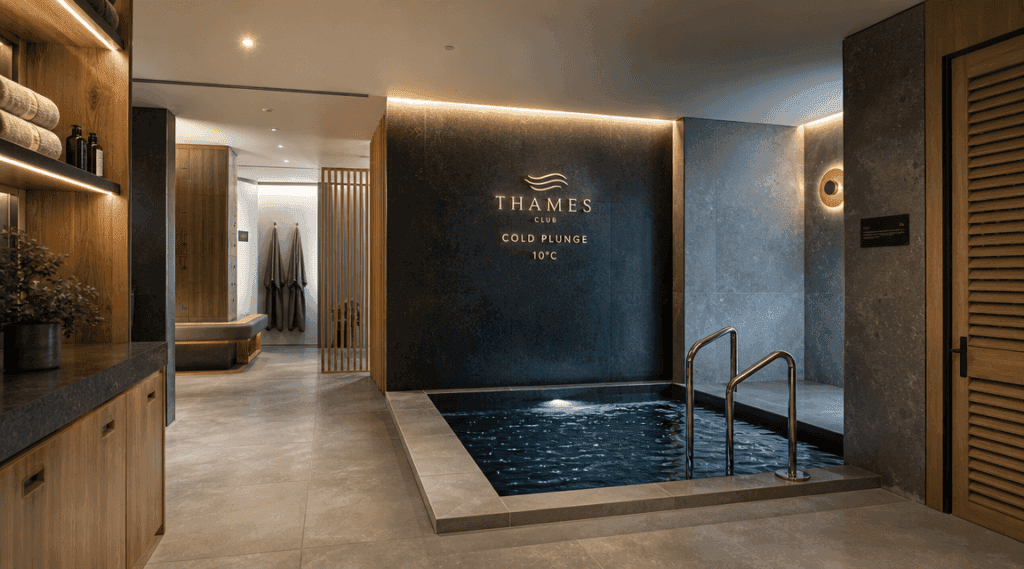
- Cold plunge pools: permanent installations at gyms, spas, and leisure centres — typically deeper, better maintained, and temperature-controlled
- Cold showers: the entry-level version, and better than nothing
- Wild or open water swimming: rivers, lakes, and sea in the UK, which rarely exceed 15°C even in summer
All of them create the same core physiological response. When cold water hits your skin, your body constricts blood vessels near the surface and redirects circulation to your vital organs. When you warm back up, those vessels dilate — effectively giving your cardiovascular system a meaningful workout without a single squat.
The Science Behind the Freeze
Cold water therapy has been used for centuries — Hippocrates prescribed cold baths, Victorian hydrotherapy was a booming industry, and elite sports coaches have been dunking athletes in ice baths for decades. What’s changed is that the science is finally catching up with the intuition.
Several well-documented effects make the practice compelling for gym-goers:
Reduced muscle soreness. Cold immersion causes vasoconstriction, which limits inflammation in worked muscles. Research shows a meaningful reduction in delayed onset muscle soreness (DOMS) when cold immersion is used within 30–60 minutes of intense exercise — particularly useful if you train on consecutive days.
Improved mood and mental resilience. Cold water triggers a significant release of noradrenaline, dopamine, and endorphins. The result is a sharp, clear-headed alertness that many practitioners describe as better than espresso. Regular cold water exposure has also been linked to reduced anxiety and improved ability to manage stress — a meaningful bonus for anyone using training as a pressure valve.
Faster perceived recovery. Whether the benefit is purely physiological or partly psychological is still debated in the research. But if you feel better and train harder the next day, the outcome is the same. High-volume athletes — those doing five or more sessions a week — tend to see the most pronounced benefit.
Potential metabolic effects. Cold exposure activates brown adipose tissue (brown fat), which generates heat by burning energy. The effect is real but modest — cold therapy is not a weight-loss strategy on its own, but it does complement an active training programme.
One nuance worth knowing: cold water therapy may blunt some long-term muscle hypertrophy adaptations if done immediately after strength training. If your primary goal is maximum muscle gain, consider saving the ice bath for rest days or waiting a few hours after your session rather than jumping straight in post-lift.
Cold Water Therapy at UK Gyms and Spas
You don’t need to order a plunge pool kit from Amazon or fill your back garden with bags of ice. Many UK gyms and wellness venues already have cold water infrastructure — you just need to know where to look.
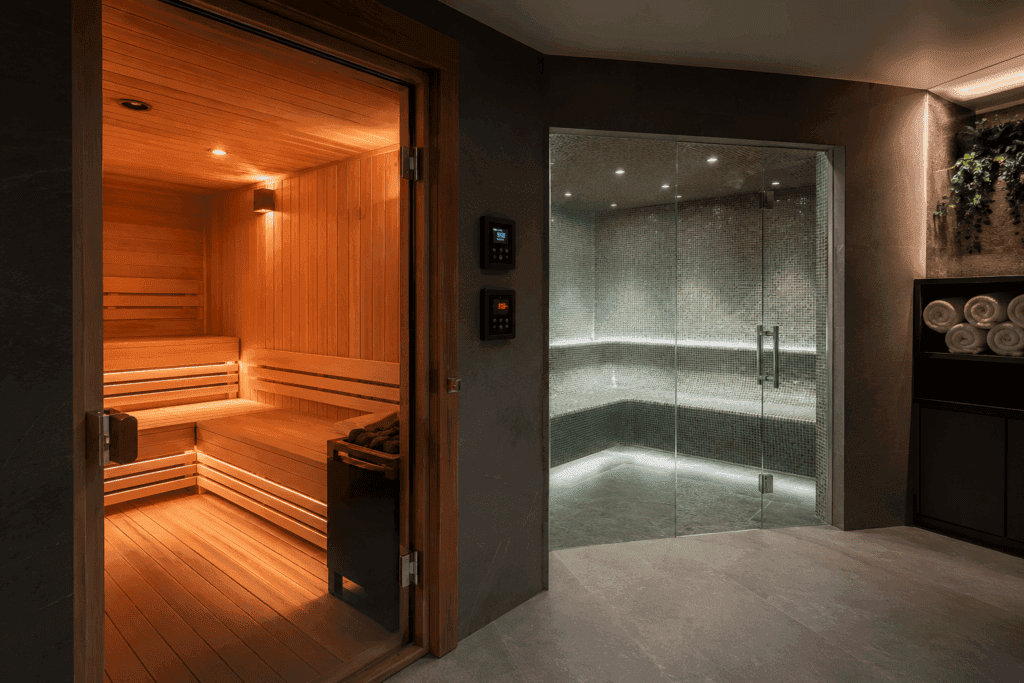
Health clubs with wet-side facilities are your best starting point. Larger chains — David Lloyd, Bannatyne, and Virgin Active — typically include cold plunge pools alongside saunas and steam rooms as part of their spa suite. These are usually maintained at a consistent 10–12°C and are far more reliable than DIY alternatives.
Specialist recovery studios are growing rapidly across UK cities. Dedicated contrast-therapy venues (alternating between hot sauna and cold plunge) have opened in London, Manchester, Edinburgh, Leeds, Bristol, and Birmingham. Sessions typically run from £20–£45 and are built around structured protocols. It’s an excellent environment for first-timers — the staff know what they’re doing and the facilities are purpose-built for safe, repeatable sessions.
CrossFit boxes and functional fitness gyms often have cold water setups available after class. The high-intensity nature of CrossFit training makes it one of the best use cases for structured recovery — a well-equipped CrossFit box in the UK will frequently include ice tubs, mobility tools, and foam rollers as part of the post-class offering.
For a broader picture of what UK gym-spas offer — from hydrotherapy pools to sauna suites — the range of gym spa facilities across the UK varies enormously by price point and region, and knowing what’s available helps you choose the right venue for how you train and recover.
Use GymPal’s UK gym and spa directory to find venues near you — filter by location, facility type, and budget to discover gyms with cold plunge pools, sauna suites, and dedicated recovery areas across the country.
Ice Baths vs Cold Showers vs Plunge Pools: What’s the Difference?
Cold showers are where most people start — and they shouldn’t be dismissed. Ending your normal shower with 30–90 seconds of cold water activates many of the same physiological pathways in a manageable, daily format. It’s less powerful than full immersion but far more sustainable as a daily habit, especially if you’re new to the practice.
DIY ice baths give you full-body immersion with more control over temperature. The classic approach involves a wheelie bin, a bag of ice from a petrol station, and about seven minutes of teeth-gritting commitment. Temperature is harder to regulate and the experience is more raw — which, for many practitioners, is part of the appeal.
Cold plunge pools at gyms and spas maintain consistent temperatures, are hygienically filtered, and allow you to build your protocol safely over time. They’re usually paired with a sauna or steam room, enabling contrast therapy (alternating heat and cold) — which many practitioners find more effective than cold immersion alone.
Open water swimming takes things furthest. The UK has thousands of outdoor swimming spots — from supervised lidos and lake venues (Hampstead Heath Ponds in London, Salford Quays in Greater Manchester, Windermere in the Lake District) to wild locations across Devon, Snowdonia, and the Scottish Highlands. The combination of cold exposure with the full-body demands of swimming as a fitness discipline makes it one of the most complete workouts available — as demanding mentally as it is physically.
How to Start Cold Water Therapy Safely
Cold water therapy is very safe for healthy adults when approached progressively. That said, a few sensible rules apply.
Go gradually. Don’t start at 8°C on day one. Begin with cooler showers (around 18–20°C) and work your way down over several weeks. Your body adapts — and that adaptation process is itself part of the benefit.
Keep sessions short at first. One to three minutes is more than sufficient when starting out. You don’t need to sit in an ice bath for 20 minutes — 5–10 minutes at the right temperature is the established sweet spot for most recovery applications. Longer is not always better.
Never swim alone in open water. If you’re heading to wild swimming spots, always go with at least one other person. The RNLI’s guidance is clear that cold water shock can cause involuntary gasping and cardiac stress within seconds of entering cold water — even in fit, healthy adults. Swim at supervised venues wherever possible, especially if you’re new to open water.
Check with your GP if you have heart or circulatory conditions. Cold water immersion raises blood pressure acutely and places real demand on your cardiovascular system. People with hypertension, heart disease, Raynaud’s syndrome, or other circulatory conditions should get medical clearance before starting.
Warm up slowly afterwards. Resist the urge to jump straight into a hot shower — let your body re-warm naturally for a few minutes first. Dry clothes, a warm drink, and five quiet minutes are all you need.
Who Benefits Most from Cold Water Therapy?
The short answer: anyone who trains regularly and wants to recover faster. But some groups see the clearest gains:
High-frequency trainers — those doing five or more sessions a week, or training involving heavy compound lifts, long runs, or back-to-back high-intensity classes — benefit most from the accelerated recovery. When rest time is compressed, anything that reduces DOMS and restores readiness the next day has real training value.
Endurance athletes — runners, cyclists, triathletes — often find cold immersion helps them sustain training blocks without accumulating excessive fatigue. It’s especially useful during high-mileage or high-volume training phases, where recovery is the limiting factor.
People managing stress and mental load. The mood-lifting, anxiety-reducing effects of regular cold exposure are increasingly recognised. The spike in noradrenaline and dopamine after a plunge produces a clarity and calm that most practitioners describe as genuinely distinctive — not just a placebo. It’s not a replacement for professional mental health support, but as part of an active lifestyle it offers real, daily value.
Anyone who wants to build mental toughness. This is harder to quantify but widely reported. Choosing to step into cold water every morning — when everything in you is saying don’t — builds a form of discipline that transfers to training and to life in a way that little else does.
Find Cold Water Therapy Near You
Cold water therapy is most effective as a consistent routine, not an occasional novelty. That means finding a venue that makes it easy — a gym or spa with a plunge pool that’s on your route, at a price that works, and open at the times you actually train.
Browse GymPal’s UK spa and wellness gym listings to find venues near you with cold plunge pools, sauna suites, and contrast therapy facilities — covering hundreds of UK towns and cities, from Aberdeen to Plymouth.
Cold, clear, and genuinely life-changing once it becomes a habit. Give it three weeks of consistent practice and you’ll understand exactly why half the gym is now queuing for the plunge pool.

I am Adam Hall, a dedicated fitness professional with over ten years of experience in the UK’s fitness industry. I earned my Master’s degree in Sports Science from Loughborough University and have worked with several top fitness studios across the UK. My certifications include a Level 3 Personal Trainer Certificate and a specialised Strength and Conditioning Coach accreditation.
Starting my career as a personal trainer, I quickly moved up to manage multiple gym locations, overseeing their operations and training programs. Beyond managing gyms, I regularly contribute to well-known fitness magazines and have been featured in articles for “Health & Fitness” and “Men’s Health”. My passion also extends online where I run a popular blog on GymPal’s AI-powered directory platform detailing insights into choosing the right fitness venues across the UK. With hundreds of posts reaching thousands of readers monthly, my goal is to influence positive changes in how people approach health and exercise throughout the country.