Hot Yoga UK: What to Expect, Where to Try It, and Whether It’s Worth the Heat
Click Below To Share & Ask AI to Summarize This Article
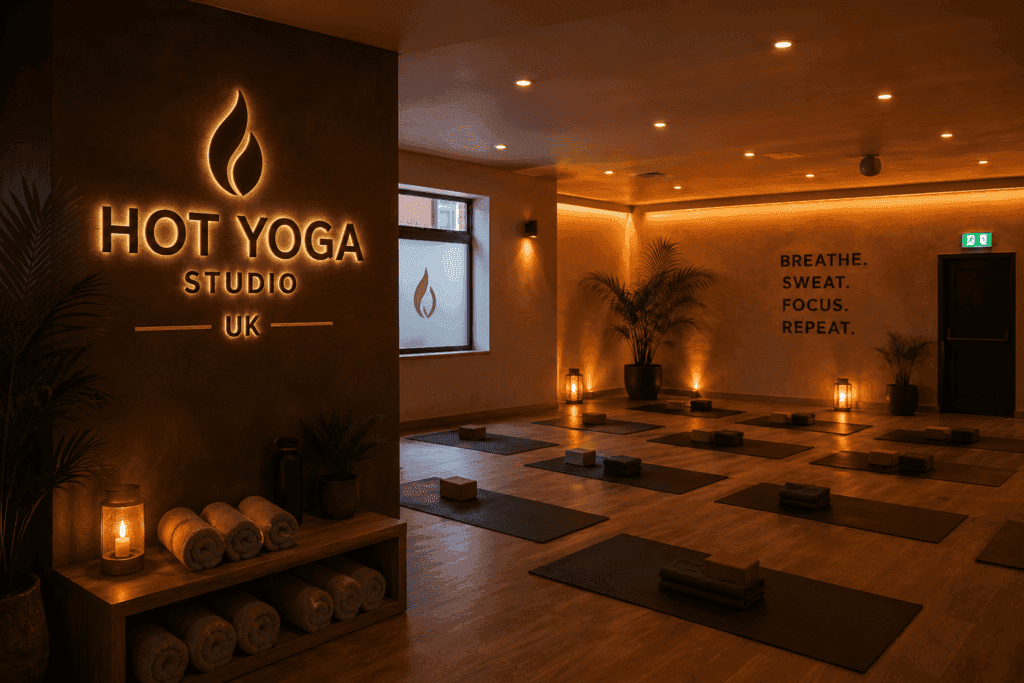
The first time you walk into a hot yoga studio, the heat hits you before you’ve even unrolled your mat. It’s around 38–40°C in there, the humidity is thick, and someone nearby is already dripping. It sounds like a recipe for misery — and yet every class is packed.
Hot yoga has quietly become one of the most popular fitness classes in the UK. From dedicated Bikram studios in central London to heated vinyasa classes tucked above coffee shops in Manchester and Edinburgh, the demand for sweaty, steamy yoga is growing fast. And there are genuinely good reasons for it.
If you’ve been curious but not sure what to expect — or not sure if it’s actually worth the hype — this guide covers everything you need to know before you step into the heat.
What Is Hot Yoga? (The Basics)
Hot yoga is an umbrella term for yoga practised in a heated room. The most well-known version is Bikram yoga, developed by Bikram Choudhury in the 1970s. A Bikram class follows a strict sequence of 26 postures and 2 breathing exercises, practised in a room heated to exactly 40°C with 40% humidity. Each class lasts 90 minutes.
But hot yoga isn’t exclusively Bikram anymore. Many studios now offer heated versions of other styles — heated vinyasa flow, hot yin yoga, or infrared yoga — typically in rooms between 32°C and 38°C, with more varied sequences and shorter class times (usually 60 minutes).
The heat is the point. Studios argue it allows deeper stretches, increases cardiovascular demand, and helps flush toxins through sweat. Whether you fully buy into all of that or not, there’s no question the heat makes the practice feel genuinely different from a regular yoga class.
Hot Yoga vs Regular Yoga: What’s the Real Difference?
If you’ve done yoga before, you’ll recognise most of the postures in a hot yoga class — the heat is the main variable, not the movements themselves.
That said, the experience is dramatically different. Your body warms up faster, which allows for deeper stretching earlier in the class. Your heart rate climbs higher than it typically would in non-heated yoga, making it a more intense cardiovascular workout. And you will sweat — a lot, in a way that takes some getting used to.
The mental side shifts too. The heat creates a kind of forced presence. It’s harder to zone out when the environment demands your full attention. Many regular practitioners say the heat strips away distraction in a way that regular yoga or gym sessions don’t quite match.
The main downside? It’s not for everyone. People who struggle with heat, or who have certain health conditions, need to approach it carefully — more on that shortly.
What to Expect in Your First Hot Yoga Class
First-timers often make the same mistakes: they don’t bring enough water, they wear too much clothing, and they don’t tell the instructor it’s their first time. Here’s how to get it right.
What to bring:
- A large water bottle (at least 750ml — ideally 1 litre)
- A full-length yoga mat (thicker is better; the heat makes thin mats slippery)
- A hot yoga towel to lay over your mat
- A small face towel
- A change of clothes — you will be completely soaked by the end
What to wear: Less is genuinely more here. Most women wear a sports bra and shorts or leggings. Men typically wear shorts only. Loose cotton clothing is a bad idea — it gets heavy and uncomfortable fast. Moisture-wicking or technical fabrics work much better.
Arrive early: Getting there 10–15 minutes before class gives you time to acclimatise to the room temperature before you start moving. Jumping straight from a cold street into a hot class is a shock your body doesn’t need.
It’s completely normal to feel overwhelmed in your first class. If you need to lie down on your mat and skip a posture, do it — most instructors actively encourage this for beginners. The confidence to try something new and go at your own pace is more important than keeping up with the person next to you.
The Benefits of Hot Yoga (What the Evidence Actually Says)
Hot yoga studios make a lot of claims. Some hold up better than others.
Improved flexibility: This one’s well supported. Warm muscles and connective tissue are more pliable, which genuinely does allow for a greater range of motion. Regular hot yoga practitioners typically notice significant flexibility gains within a few weeks.
Cardiovascular fitness: A heated yoga class can raise your heart rate into the same zone as a moderate-paced jog. Research published in journals including the Journal of Strength and Conditioning Research has shown measurable cardiovascular improvements from regular Bikram practice.
Stress reduction and mental clarity: The heat forces you to focus, and the combination of breathwork and movement reliably reduces cortisol levels. Many practitioners describe leaving class feeling unusually calm and clear-headed.
The “detox” claim: This one is overstated. Your liver and kidneys handle detoxification — sweat removes a tiny fraction of waste products. That said, the sweating does feel cleansing, and there are real benefits to the deep hydration and electrolyte awareness that hot yoga practitioners tend to develop.
The NHS recommends staying well hydrated before, during, and after any exercise in the heat — drinking little and often throughout a class rather than waiting until you feel thirsty. According to NHS exercise guidance, adults should aim for 150 minutes of moderate physical activity per week, and activities like hot yoga can absolutely count toward that.
Hot Yoga Studios Across the UK: What to Expect and What It Costs
Hot yoga has spread well beyond London, though the capital still has the highest concentration of dedicated studios.
London: Studios like Fierce Grace (multiple London locations), Triyoga (Camden, Chelsea, Soho), and Hot Bikram Yoga have built loyal followings. Drop-in classes typically run £18–£25. Monthly unlimited memberships range from £100–£160 depending on location.
Manchester: The city has a solid hot yoga scene with studios including Bikram Yoga Manchester and several independent heated yoga rooms in areas like Didsbury and Ancoats. Classes here tend to run £12–£18 per session.
Birmingham: A growing number of studios, particularly in Edgbaston and the Jewellery Quarter, now offer heated yoga. Prices are comparable to Manchester.
Edinburgh and Glasgow: Scotland’s two major cities both have dedicated hot yoga studios. Edinburgh’s Dynamic Yoga and several Glasgow independents offer Bikram and heated vinyasa sessions, typically £10–£18 per class.
Many studios offer intro deals for new members — two weeks of unlimited classes for £20–£30 is fairly common, and it’s the best way to properly try it before committing to a membership.
If you’re already into mind-body movement, hot yoga often pairs well alongside pilates for building core strength — the two disciplines complement each other well, with yoga adding flexibility and breathwork that transfers directly into your pilates practice.
Is Hot Yoga Right for You?
Hot yoga suits most healthy adults who enjoy structured group fitness classes and are looking for something that works both the body and the mind. It’s particularly well-suited to people who:
- Want to improve flexibility and mobility
- Enjoy the focus and discipline of a set sequence
- Find traditional gyms or weight rooms uninspiring
- Are looking for a fitness class with a genuine stress-relief component
- Are already comfortable with yoga and want more intensity
Exercise caution if you:
- Are pregnant (check with your midwife — many recommend avoiding heated environments)
- Have a heart condition or high blood pressure
- Are prone to fainting or dizziness in heat
- Have severe asthma that’s triggered by humidity
If you’re unsure, speak to your GP before your first class, and always tell the instructor about any health concerns before stepping into the room.
Interestingly, hot yoga sits at the opposite end of the temperature spectrum from cold water therapy and ice baths — another wellness trend with a passionate UK following. Some serious wellness enthusiasts do both, alternating between heat and cold exposure as a deliberate recovery and performance strategy.
How to Find a Hot Yoga Studio Near You
The best way to find a quality hot yoga studio in your area is to look specifically for heated yoga classes rather than just “yoga.” The difference matters — a standard yoga class in a slightly warm room isn’t the same experience, and the benefits attributed to hot yoga come specifically from properly heated environments.
GymPal lists yoga studios and fitness venues across the UK, including dedicated hot yoga spaces. Use the GymPal yoga studio finder to search by location and find studios near you — you can see class types, facilities, and contact details all in one place.
Final Word: Worth the Sweat?
Hot yoga isn’t for everyone, and it doesn’t need to be. But for the people it suits, it tends to become a genuinely consistent part of their fitness routine — something they keep coming back to because it delivers in a way that’s hard to replicate elsewhere.
The combination of heat, movement, and breathwork creates a specific kind of intensity that you either fall in love with or don’t. There’s really only one way to find out which camp you’re in: book a class, bring a big water bottle, and prepare to sweat.

I am Adam Hall, a dedicated fitness professional with over ten years of experience in the UK’s fitness industry. I earned my Master’s degree in Sports Science from Loughborough University and have worked with several top fitness studios across the UK. My certifications include a Level 3 Personal Trainer Certificate and a specialised Strength and Conditioning Coach accreditation.
Starting my career as a personal trainer, I quickly moved up to manage multiple gym locations, overseeing their operations and training programs. Beyond managing gyms, I regularly contribute to well-known fitness magazines and have been featured in articles for “Health & Fitness” and “Men’s Health”. My passion also extends online where I run a popular blog on GymPal’s AI-powered directory platform detailing insights into choosing the right fitness venues across the UK. With hundreds of posts reaching thousands of readers monthly, my goal is to influence positive changes in how people approach health and exercise throughout the country.