Outdoor Bootcamp Classes UK: Your Guide to Getting Fit in the Fresh Air
Click Below To Share & Ask AI to Summarize This Article
There’s something about exercising outdoors that changes the whole experience. The fresh air hits different. The scenery shifts with the seasons. And if it’s raining — well, that’s just character building.
Outdoor bootcamp classes have been growing steadily across the UK for years, and right now they’re genuinely booming. From early morning sessions in your local park to weekend beach circuits in Cornwall and Scarborough, there’s a class for almost every fitness level, location, and schedule.
Whether you’re a complete beginner looking for a low-commitment way to start exercising, or a regular gym-goer wanting to mix things up with something more sociable — this guide covers everything you need to know about outdoor bootcamp in the UK.
What Is an Outdoor Bootcamp Class?
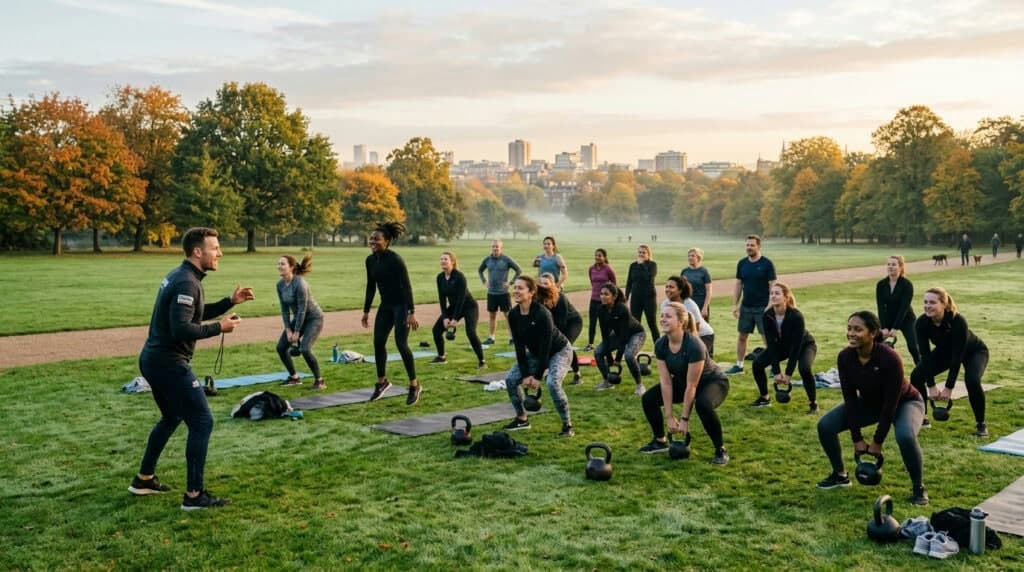
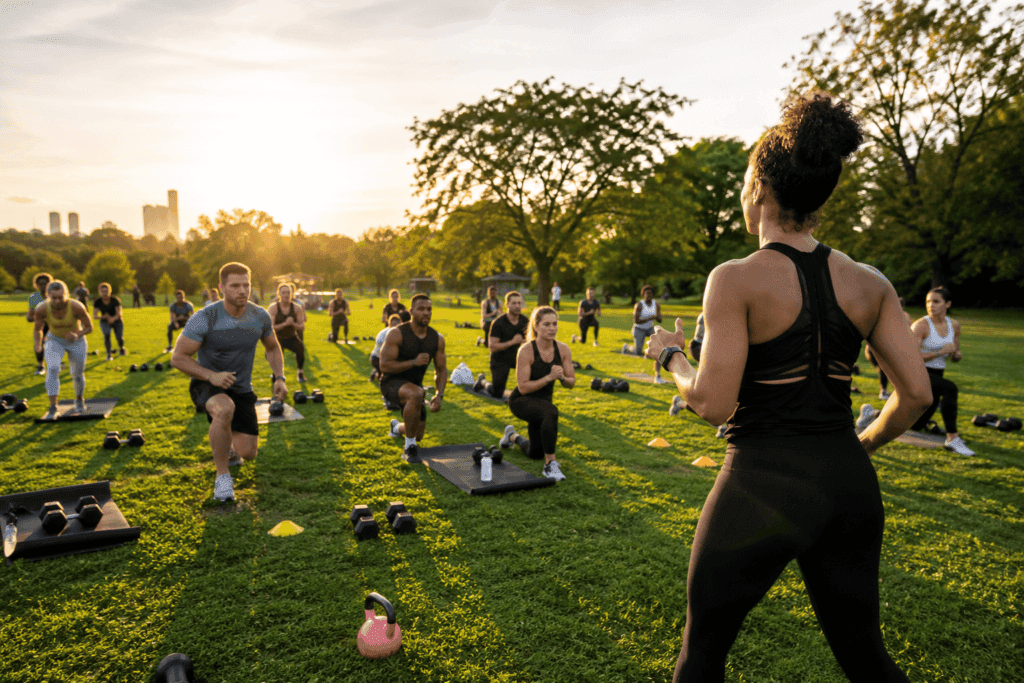
An outdoor bootcamp is a structured group fitness session held outside — typically in a park, on a beach, or in open green space. Sessions usually last 45–60 minutes and combine bodyweight exercises, circuit training, partner drills, and interval work to give you a full-body workout without a single piece of gym equipment (except the odd resistance band or sandbag).
Unlike gym classes where everything is fixed and predictable, outdoor bootcamps use the environment creatively — stairs for step-ups, benches for tricep dips, slopes for sprint intervals, and open grass for burpees (yes, there will always be burpees). The constantly changing layout keeps your body and mind engaged in a way that a treadmill simply can’t match.
Most sessions are run by a qualified personal trainer or fitness coach and cap group size at around 10–20 people, so you still get individual attention despite the group setting.
The Real Benefits of Training Outdoors
The case for outdoor training goes well beyond “it’s nice when the weather’s good.”
Research consistently shows that exercising in natural environments — sometimes called “green exercise” — delivers mental health benefits beyond what indoor training provides. Reduced cortisol, improved self-esteem, and a greater sense of wellbeing are all well-documented effects. According to Sport England’s Active Lives survey, outdoor recreational activity remains one of the most popular forms of physical activity in England — and the psychological benefits of being outside are a big part of why.
Physically, outdoor training adds a layer of challenge that’s hard to replicate inside. Variable terrain engages your stabilising muscles more than flat gym floors. Wind resistance makes every movement slightly harder. And the unpredictability of the environment — a slope here, a wet patch there — keeps your nervous system firing in ways that repetitive indoor machines don’t trigger.
Many people also find that outdoor sessions fly by because there’s simply more to look at and engage with. That means more effort without the psychological grind of watching the clock.
How Much Do Outdoor Bootcamp Classes Cost?
One of the biggest selling points of outdoor bootcamp is the price point. Without a building to rent or equipment to maintain, providers can often charge significantly less than an equivalent studio class.
Here’s a rough UK-wide guide:
- Drop-in session: £8–£15 per class
- Monthly unlimited pass: £40–£75/month
- Block booking (8–10 sessions): £60–£110
London and major city providers tend to sit at the upper end of those ranges. Smaller towns and suburban areas are often considerably more affordable. Many operators run a free or discounted trial session for new members — worth taking advantage of before committing to anything longer-term.
For context, this compares favourably against most gym memberships, particularly if you’re only training twice a week and don’t need access to weights or swimming pools. The pay-as-you-go format also suits people whose schedules aren’t consistent week to week.
What to Expect at Your First Session
What to Wear
Dress in layers — UK weather is unpredictable even in summer, and a session that starts in drizzle can end in sunshine (or vice versa). A moisture-wicking base layer, a light waterproof jacket, and a pair of trainers with decent grip are the essentials. Avoid cotton — it gets cold and heavy when wet. Bring gloves for anything from October to April. Your hands will genuinely thank you.
What Exercises to Expect
Most outdoor bootcamp sessions follow a similar structure: a dynamic warm-up, a main circuit block (usually 3–4 rounds of timed intervals), and a cool-down stretch. Within that framework, you’ll typically encounter:
- Bodyweight circuits: press-ups, squats, lunges, burpees
- Sprint or shuttle intervals across marked distances
- Partner exercises: ball passes, relay races, wheelbarrow challenges
- Core work: planks, leg raises, mountain climbers
- Occasional kit-based exercises: kettlebells, resistance bands, sandbags
Will You Keep Up?
Almost certainly. Good bootcamp coaches structure sessions so beginners can participate alongside more experienced athletes — exercises usually have modifications, and the timed format means you work at your own pace within the same drill. The outdoor environment also tends to feel less intimidating than a gym floor for newcomers; there’s no mirror to stare at you, no rows of equipment you’re not sure how to use. If [gym anxiety](https://askgympal.co.uk/blog/gym-anxiety-uk-how-to-overcome-gymtimidation/) has held you back from indoor training, the park setting is often a much gentler way to start.
The Different Types of Outdoor Bootcamp in the UK
Park Bootcamps
The most common format — sessions in public parks and recreation grounds, usually early morning (6am–7am) or early evening (6pm–7:30pm) to catch the commuting crowd. Most towns have at least one park bootcamp provider, and quality varies considerably. Ask for a trial session and check whether the coach holds a recognised PT qualification (REPs, CIMSPA, or equivalent) before committing.
Beach Bootcamps
Popular along the south coast, in Cornwall, around Brighton and Bournemouth, and up to Scarborough and the Yorkshire coast. Running and jumping on sand increases the intensity of every exercise naturally — your legs will know about it the next morning. Beach bootcamps typically run from April through September, with some hardy operators going year-round.
Military-Style Outdoor Training
A step up in intensity from standard park bootcamps, these sessions draw on army physical training principles — carrying equipment, covering longer distances, and pushing through obstacle-style challenges. They’re genuinely demanding and not the right starting point for complete beginners. But if you want a sense of what’s involved, military fitness bootcamp sessions in the UK offer a serious full-body challenge for those who want to find out what they’re really made of.
Sunrise and Seasonal Programmes
Many bootcamp operators run seasonal programmes — winter circuits designed for the cold, summer sunrise sessions on the beach, or autumn 8-week challenges that tie in with the post-summer fitness push in September and October. These structured programmes often deliver better results than open-ended drop-in attendance because they build progression into the sessions.
How to Choose a Good Outdoor Bootcamp Provider
Not all outdoor bootcamp operators are created equal. Here’s what to look for:
Qualified coaches: Your instructor should hold a Level 2 or Level 3 fitness qualification and be registered with a recognised body such as CIMSPA (Chartered Institute for the Management of Sport and Physical Activity). REPs-registered coaches meet the same standard. Don’t be afraid to ask.
Proper warm-up and cool-down: A coach who skips these is cutting corners in ways that increase your injury risk. The warm-up should take at least 8–10 minutes; the cool-down and stretch should run for 5–8 minutes minimum.
Progressive structure: The best outdoor bootcamps increase challenge over time rather than running the same session every week. Look for coaches who talk about progression, periodisation, and adapting workouts to the group’s improving fitness.
Small enough groups: Above 20 people, the quality of individual coaching drops sharply. If a session looks like it’s running 30+ people with a single coach, the instruction will be thin.
Communication: Good operators send session reminders, notify you of location changes (weather can force a switch), and have clear cancellation policies. Poor communication early on usually signals poor organisation throughout.
Outdoor Bootcamp vs Gym: Which Is Right for You?
The honest answer is that they serve different purposes, and many people use both.
A gym is the better choice if you want access to weight machines, barbells, a swimming pool, or specialist equipment for sport-specific training. Outdoor bootcamp wins on cost, community, and cardiovascular conditioning — particularly if your goal is general fitness, fat loss, or getting moving after a period of inactivity.
For weight loss specifically, the combination of high-intensity intervals, bodyweight resistance, and the accountability of a group session is a genuinely effective formula. Bootcamp training for weight loss consistently produces real results for people who show up consistently — not because bootcamp is magic, but because the format makes it far easier to sustain effort than solo training.
If you’re unsure which to try first, a free trial at a local outdoor bootcamp is a lower-risk way to test whether group training suits you before taking on a gym contract.
How to Find Outdoor Bootcamp Classes Near You
Finding good local sessions used to mean scouring Facebook groups, local noticeboards, and flyposted flyers at park gates. That’s still worth doing — many smaller operators are hyperlocal and don’t have big online presences — but there are faster ways to get a shortlist.
GymPal’s UK bootcamp directory lists outdoor and indoor bootcamp providers across the country with location filtering, so you can narrow your search to your town or postcode. Each listing shows what the provider offers, contact details, and where available, pricing and class schedules.
Beyond GymPal, try searching Facebook for “[your town] bootcamp” — local Facebook groups are where many smaller operators post their weekly schedules and special offers. Parkrun is also worth knowing about if you’re after the social running element without the full bootcamp commitment.
Tips for Making It Stick
The biggest predictor of results from outdoor bootcamp — or any exercise — is consistency. Here’s how to make it easier to keep showing up:
- Start with two sessions per week. Three is fine if you’re fit, but two done consistently will deliver more than three done sporadically.
- Eat something light beforehand. A banana, a small bowl of oats, or a handful of nuts 45–60 minutes before the session will give you far more energy than going empty.
- Give it 4–6 sessions before you judge. Your first two sessions will be the hardest. Fitness improves fast once your body adapts.
- Get the right kit from day one. Wet feet in the wrong trainers will kill your motivation faster than sore legs. Decent waterproof layers and grippy shoes make a genuine difference.
- Tell your coach about injuries. A good coach will modify exercises to work around them rather than just telling you to push through.
The Bottom Line
Outdoor bootcamp classes offer something that no gym machine can replicate: genuine community, fresh air, constantly varied training, and a price point that doesn’t require a twelve-month commitment. Whether you’re starting from scratch or looking to shake up a routine that’s gone stale, finding a local class is one of the most effective things you can do for your fitness in 2026.
Use GymPal’s bootcamps directory to find sessions near you — search by location, see what’s available, and reach out to local providers. Most will let you try before you commit. Getting started is the hardest part; the rest follows.

I am Adam Hall, a dedicated fitness professional with over ten years of experience in the UK’s fitness industry. I earned my Master’s degree in Sports Science from Loughborough University and have worked with several top fitness studios across the UK. My certifications include a Level 3 Personal Trainer Certificate and a specialised Strength and Conditioning Coach accreditation.
Starting my career as a personal trainer, I quickly moved up to manage multiple gym locations, overseeing their operations and training programs. Beyond managing gyms, I regularly contribute to well-known fitness magazines and have been featured in articles for “Health & Fitness” and “Men’s Health”. My passion also extends online where I run a popular blog on GymPal’s AI-powered directory platform detailing insights into choosing the right fitness venues across the UK. With hundreds of posts reaching thousands of readers monthly, my goal is to influence positive changes in how people approach health and exercise throughout the country.