Women-Only Gyms UK: Why They Work and How to Find One Near You
Click Below To Share & Ask AI to Summarize This Article
Walking into a gym for the first time — or returning after a long break — can feel genuinely intimidating. For many women, the free weights section in particular feels like an invisible barrier: dominated by men, loaded with unspoken social rules, and about as welcoming as a Tuesday morning in January. If that sounds familiar, you’re not imagining it.
Women-only gyms exist precisely to solve this. And they’re not a fringe concept anymore — they’re a growing, thriving part of the UK fitness landscape, from dedicated female-only clubs to women-only sessions at mainstream gyms. Whether you’re brand new to exercise or just fed up with the vibe at your current gym, there may be a better fit waiting for you.
This guide covers everything you need to know: what women-only gyms actually are, why they work so well for so many people, what to look for (and watch out for), and how to track down the best option near you.
What Is a Women-Only Gym?
The term covers quite a range of setups, and it’s worth knowing the difference before you start looking.
Fully dedicated women-only clubs — the entire facility is female-only, all the time. These range from national chains (Curves, Anytime Fitness women-only branches) to well-loved independents. You’ll find everything from basic cardio suites to fully kitted-out strength training floors, depending on the gym.
Women-only areas within mixed gyms — a cordoned-off section of the gym, typically featuring cardio machines and lighter weights, reserved exclusively for women. Common in leisure centres and some mid-market chains. The size and quality of these areas varies enormously.
Female-only session times — mixed gyms designating specific time slots as women-only. Particularly common in areas with more religiously diverse communities, where this arrangement meets a real practical need. Sessions are usually clearly advertised on the timetable.
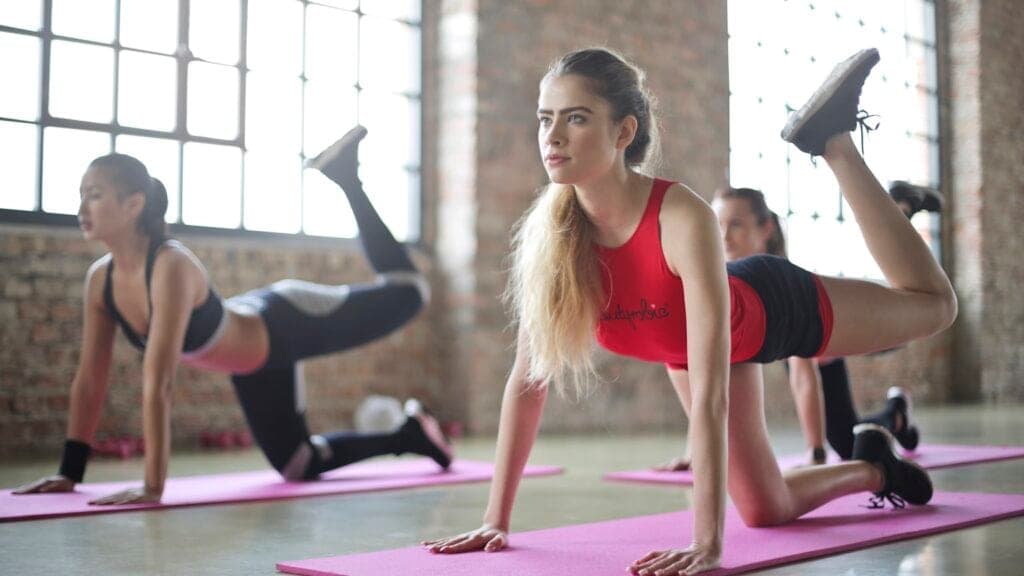
Boutique female-majority studios — not technically women-only, but so heavily skewed female that they function that way in practice. Many Pilates studios, yoga spaces, and barre classes fall into this category. The atmosphere can be just as welcoming as a dedicated women’s club, even without the formal designation.
The Real Benefits (They Go Beyond “Feeling Comfortable”)
Comfort matters — but if that were the whole story, women-only gyms would just be a nice-to-have. The deeper reason they work is that they change what women actually do when they train.
You’ll use the whole gym. In a mixed environment, women disproportionately avoid the free weights area. According to ukactive research on active participation, women are significantly less likely to engage in strength training than men — and social environment is one of the biggest factors. Remove that dynamic, and the squat rack suddenly becomes accessible. Women in female-only spaces lift heavier, try new equipment, and push harder, because there’s no performance anxiety in the room.
The programming is built around you. Women-only gyms design their class timetables, their coaching approach, and often their equipment layout around what female members actually want — strength without bulk, postpartum recovery, peri-menopausal fitness, hormonal health awareness. That specificity is something a general-purpose mainstream gym almost never delivers.
The community is different. Ask anyone who’s made the switch, and they’ll tell you the same thing: the social energy in women-only spaces is just different. Less performance, more encouragement. Whether that’s a trainer who asks how you’re doing, or just the general lack of people staring at their reflection in the mirror, the cumulative effect on your consistency is real.
It lowers the barrier to starting. If self-consciousness has kept you away from gyms entirely, removing that specific obstacle matters enormously. It’s not a weakness — it’s a practical reality for a lot of people, and a good women-only gym solves it directly.
What Types of Training Do Women-Only Gyms Cover?
This has changed a lot over the last ten years. Early women-only gyms were often light on proper strength equipment — rows of step machines and light dumbbells, not much else. That model still exists, but the better ones now offer full fitness facilities.
Depending on the gym, you might find:
- Full free weights areas with barbells, dumbbells up to heavy weights, and power racks
- Functional training zones — kettlebells, battle ropes, sleds, plyometric boxes
- Studio classes: HIIT, circuit training, dance fitness, spin
- Mind-body classes: yoga, Pilates, stretch and mobility sessions
- Cardio equipment: treadmills, bikes, rowing machines, cross-trainers
- Personal training services, often with female PTs available
If strength training is your primary goal, check before you join. Some women-only gyms are still heavily cardio-focused, and if you want a barbell programme, you’ll want to see the weights floor before you sign up.
What to Look For When Choosing One
Not all women-only gyms are equal. These are the things worth checking before you commit.
Equipment range and condition. Do they have a proper free weights section? What’s the heaviest dumbbell available? Is there a power rack or squat cage? The condition of the kit tells you a lot about how seriously they take their members.
Class timetable depth and variety. If classes are part of why you’re joining, count how many are scheduled per week and whether the times are realistic for your life. A strong timetable covering strength, cardio, and recovery is a good indicator of an active, well-managed gym. If you’re considering a class-based fitness route, Pilates is often an excellent starting point — the technique transfers well to general strength work, and most women-only gyms offer beginner-friendly Pilates sessions.
Changing facilities. Women-only gyms often prioritise their changing rooms and showers more than mainstream clubs — but quality still varies. Check them before you sign anything.
Contract terms. Rolling monthly contracts are the norm now. If a gym is pushing a 12-month minimum with penalties for leaving, that’s worth pushing back on. Plenty of good options won’t lock you in.
The vibe on the floor. Spend ten minutes in the gym before you commit. Who’s there? What’s the age range? Is it the kind of place you’d genuinely want to come to three times a week? A good gym should feel welcoming from the moment you walk in.
Working With a Personal Trainer in a Women-Only Setting
Many women-only gyms employ female personal trainers, or can refer you to one — which for a lot of people is a significant draw. Whether it’s about communication style, understanding of female physiology, or simply feeling more comfortable discussing body goals with another woman, the trainer relationship can make or break your results.
If you’re thinking about hiring a PT alongside your gym membership, it’s worth knowing what qualifications to look for and what questions to ask upfront. Knowing how to find a good personal trainer in the UK — Level 3 PT qualification as the baseline, relevant specialisms like pre/postnatal or menopause fitness — means you’ll find someone genuinely suited to your goals rather than just whoever’s available.
The Honest Trade-Offs
Women-only gyms are a genuinely excellent choice for a lot of people. But being honest about the trade-offs helps you decide whether they’re right for you specifically.
They’re often smaller. Dedicated women-only facilities tend to be more compact than large mainstream gyms. At peak times — typically early morning and early evening — that can mean waiting for machines or equipment. If you prefer off-peak training, it’s less of an issue.
Equipment depth can be limited. Some women-only gyms, particularly older circuits-based models, still have relatively limited free weights and no barbell setup. If heavy strength training is your priority, check before you join.
Pricing. Independent women-only gyms often price slightly above the budget-gym baseline. You’re paying for environment and community as much as equipment — which is a fair trade for a lot of people, but worth factoring into your budget.
Availability is patchy. Depending on where you live, a dedicated women-only gym might simply not be nearby. In smaller towns and rural areas, you’re more likely to find women-only sessions at mixed facilities than a dedicated club. That’s still worth looking for — it might be exactly what you need.
How to Find a Women-Only Gym Near You
The most direct approach is to search specifically for women’s gyms or female-only fitness venues in your area. GymPal covers women’s gyms, female-only studios, and gender-specific sessions across the UK — search by location and you’ll see what’s available nearby with opening times, facilities, and contact details.
If there’s no dedicated women-only gym close to you, it’s worth asking your nearest mainstream gym or leisure centre whether they offer female-only session times. Many do, especially in areas with diverse communities, and they’re not always prominently advertised.
Most gyms — whether women-only or mixed — will offer a free trial session or a day pass. Take advantage of it. No amount of reading reviews online gives you the same information as walking in, looking around, and seeing how it feels in person. That visit will tell you more than anything else.
Making the Right Call
Women-only gyms work because they remove a specific, real obstacle that stops a lot of women from training consistently. It’s not about mixed gyms being unwelcoming — most aren’t — it’s about finding the environment where you’ll actually show up, week after week.
If comfort, community, and a space that’s genuinely designed for you matters to your consistency, a women-only gym is absolutely worth trying. Search GymPal to find women’s gyms and female-only fitness studios near you, and if in doubt, book a trial session. The worst case is you rule one out — the best case is you find exactly the environment you’ve been missing.

I am Adam Hall, a dedicated fitness professional with over ten years of experience in the UK’s fitness industry. I earned my Master’s degree in Sports Science from Loughborough University and have worked with several top fitness studios across the UK. My certifications include a Level 3 Personal Trainer Certificate and a specialised Strength and Conditioning Coach accreditation.
Starting my career as a personal trainer, I quickly moved up to manage multiple gym locations, overseeing their operations and training programs. Beyond managing gyms, I regularly contribute to well-known fitness magazines and have been featured in articles for “Health & Fitness” and “Men’s Health”. My passion also extends online where I run a popular blog on GymPal’s AI-powered directory platform detailing insights into choosing the right fitness venues across the UK. With hundreds of posts reaching thousands of readers monthly, my goal is to influence positive changes in how people approach health and exercise throughout the country.