Yoga Classes UK: How to Find the Right Style for You
Click Below To Share & Ask AI to Summarize This Article
Walk into almost any gym or leisure centre in the UK today and you’ll find a yoga class on the timetable. What was once seen as a niche activity for the particularly flexible has become one of the most popular fitness choices in the country — and for good reason. Yoga offers something that few other workouts can match: genuine physical challenge combined with mental calm.
The problem is that “yoga” isn’t just one thing. There are dozens of styles, from sweat-drenched hot yoga sessions to slow, meditative yin classes, and choosing the wrong one for your goals can put you off entirely. If your first class was a gruelling Ashtanga session when you just wanted something to ease stress, or a drowsy restorative session when you wanted a proper workout, it’s easy to write yoga off as not for you.
This guide breaks down the main yoga styles available across the UK, explains what each one actually does for your body, and helps you figure out which suits your fitness goals — so you can walk into your first (or next) class with confidence.
Why Yoga Has Taken Over UK Gyms and Studios
Yoga participation in the UK has grown steadily for over a decade, and it now attracts millions of regular practitioners. According to the NHS, yoga improves flexibility, strength, and mental wellbeing — which helps explain why it’s become a mainstream fixture in gyms and leisure centres rather than a specialist pursuit.
Part of yoga’s appeal is its scalability. A 25-year-old training for a half marathon and a 65-year-old recovering from a hip replacement can both benefit from yoga — they just need different styles. It’s also relatively affordable compared to personal training, and requires no specialist equipment beyond a mat and comfortable clothes.
Yoga has also transformed the group exercise timetable at UK gyms. Where aerobics once dominated, yoga classes now regularly fill to capacity, particularly midweek mornings and weekend afternoons. Dedicated yoga studios have sprung up in almost every UK town and city too, offering specialist classes for every level and goal.
The Main Styles of Yoga Explained
Before you book your first class, it helps to know what you’re actually signing up for. Here’s a plain-English breakdown of the most common yoga styles you’ll find across the UK:
Hatha Yoga
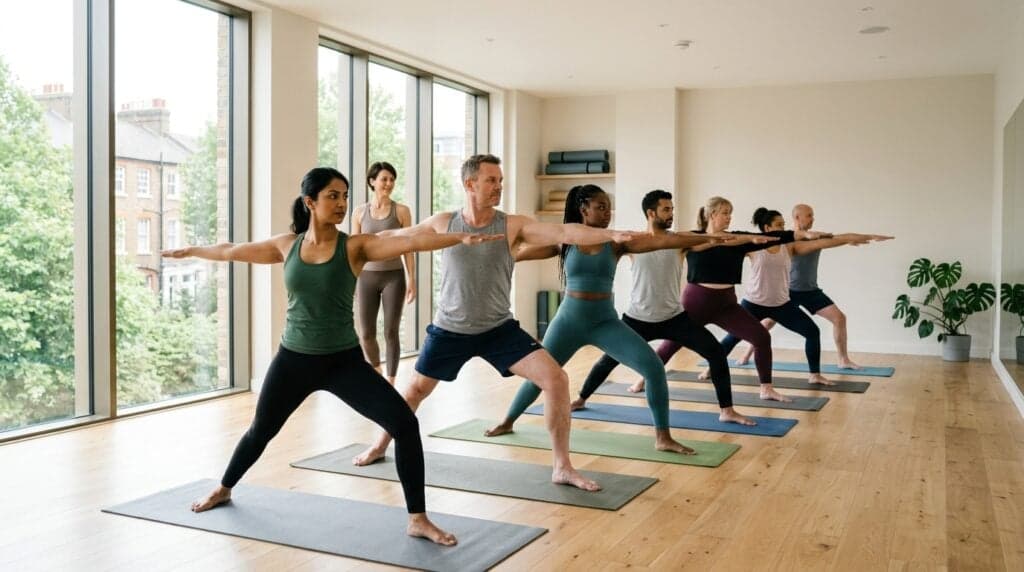
Hatha is the most widely taught style and the best entry point for beginners. Classes are slower-paced, focusing on holding individual poses (asanas) for several breaths while working on alignment. It’s physical enough to build genuine strength and flexibility, but accessible enough that you won’t feel completely lost on day one. If a class just says “yoga” on the gym timetable with no further description, it’s almost certainly Hatha.
Vinyasa Flow
Vinyasa links poses together in flowing sequences, moving in time with the breath. It’s more dynamic than Hatha and will raise your heart rate. If you want yoga that genuinely feels like exercise, Vinyasa is usually the answer. Classes vary considerably depending on the teacher — some are almost meditative in pace, others are properly sweaty and demanding.
Ashtanga
Ashtanga follows a fixed sequence of poses that never changes, working through a primary, secondary, and advanced series. It’s one of the more demanding styles — physically and mentally — and builds serious strength over time. Most Ashtanga beginners’ classes in the UK focus on the primary series only, which is still a significant challenge. If you like structure and respond well to a clear progression, Ashtanga suits that mindset well.
Yin Yoga
Yin involves holding poses for anywhere between two and five minutes, targeting the connective tissue — ligaments, fascia, and joints — rather than the muscles. It’s the opposite of fast-paced, and often surprisingly difficult in a different way: staying still and breathing through discomfort is harder than it sounds. Yin is excellent for deep flexibility, joint health, and genuine stress relief.
Hot Yoga
Hot yoga is practised in a heated room, typically 35–42°C. The heat allows for deeper muscle relaxation and produces a serious sweat. Bikram is the original version — a set 26-pose sequence in a 40°C room — but many studios now offer their own hot yoga variations with different sequences. The first few sessions can feel overwhelming. Hydration beforehand is non-negotiable.
Restorative Yoga
Restorative yoga uses props — blocks, bolsters, blankets — to fully support the body in passive poses held for long periods. The goal is complete nervous system relaxation, not physical effort. It’s not a workout in the conventional sense, but it’s deeply beneficial for stress recovery, burnout, and managing chronic pain. If you’re going through a demanding period at work or dealing with a health issue, restorative yoga can be genuinely therapeutic.
Power Yoga
Power yoga is a gym-friendly adaptation of Ashtanga, stripped of the spiritual elements and increased in intensity. It’s designed to build strength and endurance, and classes often look more like bodyweight circuits than traditional yoga. If you lift weights or do cardio and want to add yoga without feeling like you’re slowing down, Power yoga bridges that gap effectively.
Matching Your Yoga Style to Your Goals
Knowing the styles is useful — but working out which one is actually right for you depends on what you want from your training.
- Stress and anxiety relief: Yin, Restorative, or Hatha. Slow-paced classes that emphasise breathing and stillness have the biggest impact on your nervous system.
- Flexibility and mobility: Yin and Hatha. Holding poses for longer allows connective tissue time to release. A single weekly Yin class can make a noticeable difference within a month.
- Building functional strength: Ashtanga, Power, and Vinyasa. These styles use your bodyweight in genuinely demanding ways — plank holds, chaturangas, and balance work that require real upper body and core strength.
- Cardiovascular fitness and calorie burn: Hot Yoga and Vinyasa. The elevated heart rate brings yoga closer to cardio, particularly in heated sessions.
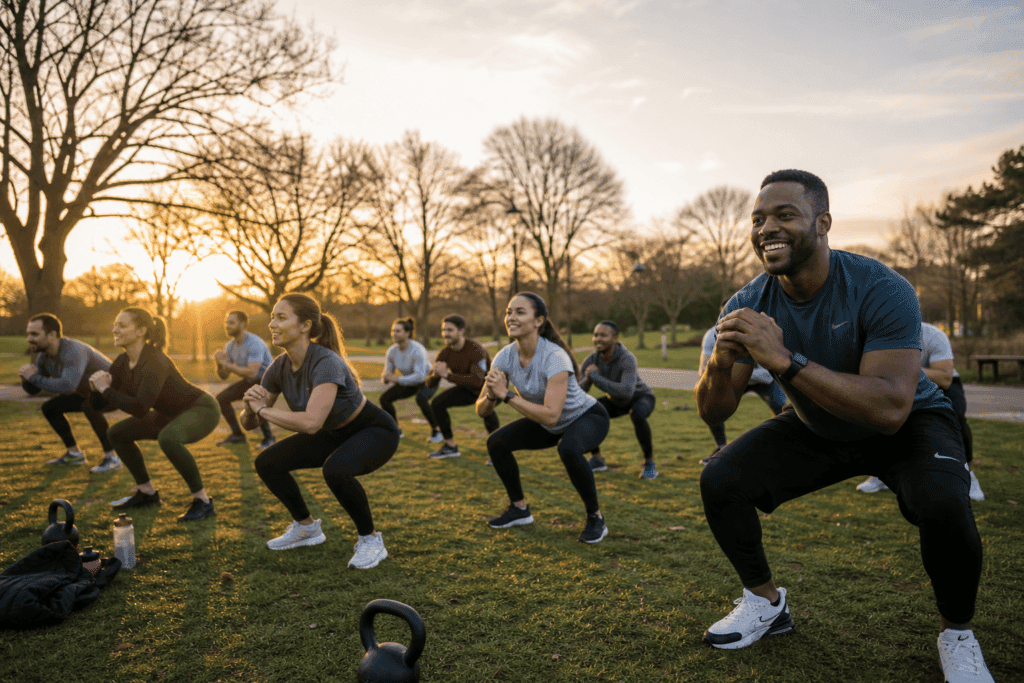
- Athletic recovery: Yin and Restorative. If you’re already training hard — running, cycling, or attending high-intensity classes — adding yoga helps you recover faster and reduces injury risk. It complements demanding training well, much like how UK bootcamp fitness classes work best when balanced with genuine recovery sessions in your weekly programme.
- General wellbeing: Hatha or Vinyasa. These versatile styles give you a bit of everything — strength, flexibility, breathing practice, and mental calm — which is why they dominate gym timetables.
Where to Find Yoga Classes in the UK
Once you’ve narrowed down which style appeals, the next step is finding a class you can actually get to regularly. In the UK, you have three main options:
Dedicated Yoga Studios
Yoga studios offer the most variety of styles and typically have the most experienced teachers. In cities like London, Manchester, Bristol, Leeds, and Edinburgh, you’ll find studios specialising in specific styles — Ashtanga Mysore-style sessions, yin-focused studios, and premium hot yoga spaces. Drop-in classes typically cost £10–£18, with monthly memberships ranging from £50–£100 depending on the city and studio. Most studios offer a new-member introductory pass — a week or month of unlimited classes at a discounted rate — which is the smartest way to try several styles before committing.
Gym Yoga Classes
Most mid-to-large gyms in the UK include yoga on their group exercise timetable, either included in membership or at a small surcharge. The style is usually Hatha or Vinyasa, and quality varies considerably depending on the instructor. The upside: it’s convenient if you’re already a member, and it’s a practical way to try yoga without paying studio prices. GymPal’s UK venue finder lets you search gyms by location and compare what classes are included, so you can find a membership that covers yoga without having to ring round.
Leisure Centres and Council Gyms
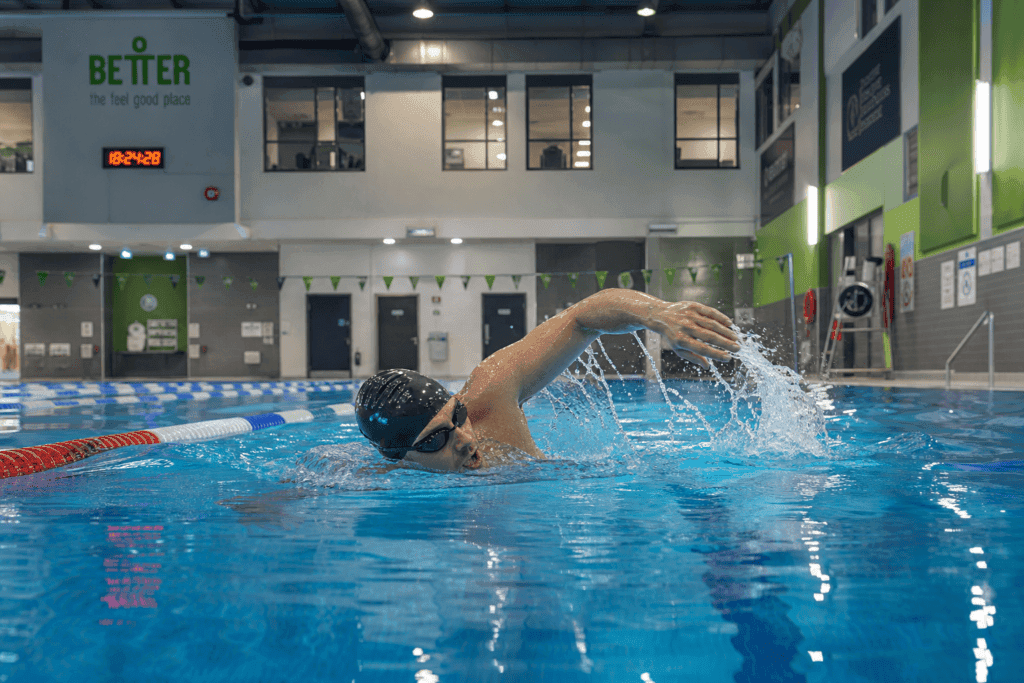
Local council-run leisure centres often offer yoga classes at very affordable prices — sometimes £4–£6 a session. The classes are beginner-friendly and typically use accessible styles like Hatha. If budget is a factor, this is the best place to start. It’s the same logic that makes low-impact activities like swimming at your local pool such practical options — affordable, accessible, and often overlooked in favour of pricier alternatives.
What to Look for in a Yoga Instructor
The quality of your experience depends enormously on the teacher. Here’s what to check before you commit to a class or studio:
Qualifications: Look for Yoga Alliance UK registration (RYT 200 or above) or membership of the British Wheel of Yoga (BWY), the UK’s largest governing body for yoga. Both indicate the teacher has completed structured training rather than just a weekend workshop.
Experience with beginners: Some teachers are excellent with advanced students but don’t adapt well for people who’ve never practised before. Check the class description — a class labelled “all levels” or “beginners welcome” should offer modifications for poses you’re not ready for yet.
Class size: Smaller classes (under 12 people) allow for individual feedback and adjustments. Larger gym classes of 20+ are fine once you know the basics, but if you’re just starting out, a smaller class means the teacher can see what you’re actually doing and correct alignment before it becomes a habit.
Teaching style: Yoga teachers have distinct personalities that come through in their classes. Some are warm and nurturing, others precise and demanding. Try a few different teachers before concluding that a particular style isn’t for you — often it’s the teacher, not the style itself, that makes or breaks the experience.
What to Expect at Your First Class
First yoga classes can feel intimidating, especially if everyone else seems to know exactly what they’re doing. Here’s what will actually happen.
You’ll start lying down or seated, with a focus on breathing and settling into the space. The teacher will guide you through a sequence of poses with verbal cues and demonstrations. Good teachers will offer modifications — easier versions of poses — and will actively encourage you to use them. Not being able to do everything perfectly on day one isn’t a problem; it’s the point.
Classes typically run 60–90 minutes. You’ll end in savasana — lying flat on your back in complete stillness for five to ten minutes. This isn’t optional padding; the rest allows your nervous system to integrate the session. Skipping it is the yoga equivalent of leaving the gym before your cooldown.
What to bring: a yoga mat (studios often hire these for £1–£2 if you don’t own one), a water bottle, comfortable clothes you can move freely in, and bare feet. Avoid a large meal in the two hours before class.
One thing worth knowing: yoga studios and gym yoga classes are typically non-competitive, welcoming spaces. The atmosphere in a well-run studio tends to be genuinely supportive — it often becomes part of the weekly social fabric of the area in the same way that the best local gyms build a real sense of community around fitness in their neighbourhood.
Find Yoga Classes Near You
The only way to know if yoga works for you is to try it — and the only way to find the right style is to experiment a little. Most studios and gyms offer introductory rates specifically designed to let you sample different classes before committing to a membership.
Start with one class a week. Add more as your confidence builds. Within a month, you’ll have a clear sense of which styles suit you, which teachers you respond to, and whether yoga is something worth making a regular fixture in your routine.
If you’re not sure where to start, GymPal covers gyms, yoga studios, and leisure centres across the UK — search by location to find venues offering yoga near you, compare what’s included in membership, and get started without the legwork.

I am Adam Hall, a dedicated fitness professional with over ten years of experience in the UK’s fitness industry. I earned my Master’s degree in Sports Science from Loughborough University and have worked with several top fitness studios across the UK. My certifications include a Level 3 Personal Trainer Certificate and a specialised Strength and Conditioning Coach accreditation.
Starting my career as a personal trainer, I quickly moved up to manage multiple gym locations, overseeing their operations and training programs. Beyond managing gyms, I regularly contribute to well-known fitness magazines and have been featured in articles for “Health & Fitness” and “Men’s Health”. My passion also extends online where I run a popular blog on GymPal’s AI-powered directory platform detailing insights into choosing the right fitness venues across the UK. With hundreds of posts reaching thousands of readers monthly, my goal is to influence positive changes in how people approach health and exercise throughout the country.